%22%2F%3E%3C%2Fpattern%3E%3C%2Fdefs%3E%3Crect%20width%3D%22100%25%22%20height%3D%22100%25%22%20fill%3D%22url(%23phjdcgg)%22%2F%3E%3Crect%20width%3D%22100%25%22%20height%3D%22100%25%22%20fill%3D%22url(%23phjdcgp)%22%2F%3E%3Ctext%20x%3D%2250%25%22%20y%3D%2250%25%22%20text-anchor%3D%22middle%22%20dominant-baseline%3D%22central%22%20fill%3D%22rgba(255%2C255%2C255%2C0.95)%22%20font-family%3D%22Georgia%2C%20'Times%20New%20Roman'%2C%20serif%22%20font-weight%3D%22700%22%20font-size%3D%22170%22%20letter-spacing%3D%22-0.02em%22%3EMalaysia%3C%2Ftext%3E%3C%2Fsvg%3E)
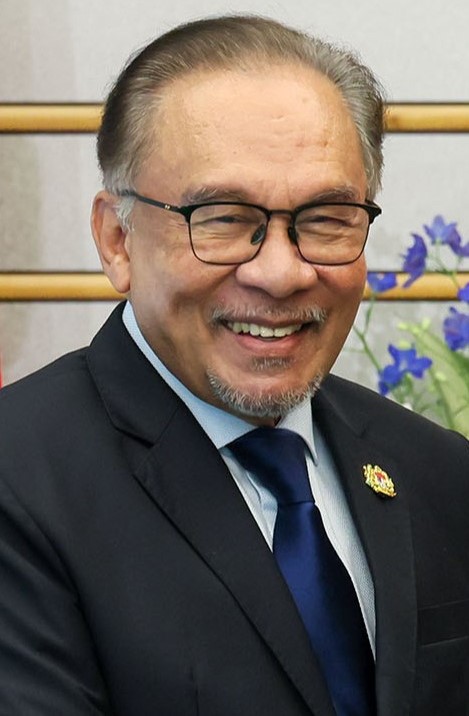
Prime Minister Datuk Seri Anwar Ibrahim and visiting Bangladesh Premier Tarique Rahman have jointly committed to revitalising the institutional architecture underpinning Malaysia-Bangladesh relations, with particular emphasis on restarting dormant dialogue mechanisms that have languished for some time. The two leaders signalled their intent to reconvene the Joint Commission Meeting and Bilateral Consultations at the earliest feasible date, underscoring recognition that sustained high-level political engagement forms the bedrock of meaningful bilateral partnership. Rahman, who arrived in Putrajaya for a two-day official visit at Anwar's invitation, emphasized that regular structured dialogue channels are essential for managing the complexities of a relationship spanning economic, social and strategic dimensions.
The joint statement released by Malaysia's Foreign Ministry characterised both nations as committed to deepening coordination across multiple cooperative frameworks, with labour collaboration identified as a particularly significant area requiring sustained attention. This acknowledgement reflects the deeply embedded nature of Bangladeshi workers within Malaysia's economy, where they constitute a substantial and essential portion of the workforce across manufacturing, construction, agriculture and domestic service sectors. The two leaders recognised that human mobility, managed through transparent and ethical frameworks, generates mutual benefits that extend beyond mere economic transactional relationships to foster genuine people-to-people connections that strengthen the broader diplomatic partnership.
A central focus of the bilateral engagement centred on modernising Malaysia's approach to Bangladeshi worker recruitment, an issue of considerable economic importance to Bangladesh given the remittance revenues that flow back to the country. While Malaysia acknowledged Bangladesh's formal proposal seeking expanded worker quotas, both governments reaffirmed that recruitment approvals remain subject to Malaysia's stringent labour intake policies, which are calibrated to meet domestic sectoral requirements and verified employer demands rather than predetermined national allocations. This measured stance reflects Malaysia's ongoing effort to balance labour market needs with protections for domestic workers and safeguards against exploitation within the migrant worker system.
Crucially, both administrations underscored that any approved quotas must operate within frameworks ensuring transparency, fairness, non-discrimination and genuine competitive selection processes. This commitment to principled recruitment mechanisms responds to longstanding international scrutiny regarding migrant worker treatment in Malaysia, where documented cases of wage theft, contract substitution and unsafe conditions have drawn criticism from human rights organisations and labour advocates. By explicitly endorsing credible and qualified recruitment agencies as the sole intermediaries permitted to facilitate worker placement, the two governments signalled determination to eliminate exploitative practices that have tarnished Malaysia's reputation and exposed workers to vulnerability.
The establishment of a Joint Working Group dedicated to migration matters represents a substantive institutional innovation designed to place worker recruitment on a continuous policy footing rather than relying on ad-hoc bilateral discussions. This mechanism will undertake comprehensive evaluation of the existing Memorandum of Understanding governing labour cooperation, assessing its adequacy in addressing contemporary challenges and gaps that have emerged in the years since its initial adoption. The working group's mandate to draft an updated and modernised MoU reflects both nations' recognition that migration frameworks require periodic recalibration to accommodate changing economic circumstances, evolving labour market dynamics and refined understanding of best practices in managing cross-border worker movements ethically and effectively.
For Bangladesh, the significance of this institutional commitment extends beyond immediate labour policy considerations. Bangladesh confronts substantial employment pressures stemming from its large and growing population, limited domestic job creation capacity in formal sectors and ongoing structural challenges within its economy. Malaysia represents one of the leading global destinations for Bangladeshi migrant workers, with remittances constituting a vital source of foreign exchange and household income for millions of Bangladeshi families. However, Bangladesh also faces reputational and governance challenges related to worker recruitment practices, including allegations of corruption and unethical conduct by some agencies operating within the country. The joint commitment to transparent and non-discriminatory recruitment therefore serves Bangladesh's long-term interests by enhancing the credibility and sustainability of its labour export model.
From Malaysia's perspective, the bilateral engagement reflects broader recognition that managing skilled and semi-skilled worker inflows requires not merely restrictive policies but cooperative frameworks that establish clear standards and mutual accountability. Malaysia's demographic challenges, including an ageing population and labour shortages in sectors that domestic workers increasingly shun, necessitate continued reliance on migrant workers. However, uncontrolled or poorly regulated migration generates social tensions, wage suppression in vulnerable sectors and administrative burdens that undermine social cohesion. By partnering with Bangladesh on transparent recruitment mechanisms, Malaysia aims to optimise the benefits of labour migration whilst minimising associated risks.
The emphasis on people-to-people connectivity within the joint statement signals recognition that the approximately one million Bangladeshi workers and residents in Malaysia constitute a living bridge between the two societies. These communities sustain informal networks of kinship, entrepreneurship and cultural exchange that complement official diplomatic channels and generate grassroots affinity transcending government-to-government relations. Bangladesh's substantial diaspora in Malaysia has established mosques, cultural associations and mutual aid organisations that reinforce identity whilst facilitating integration. Supporting the welfare and social inclusion of these communities strengthens long-term bilateral relations by cultivating stakeholders invested in Malaysia-Bangladesh friendship at every social level.
The resumption of formal institutional mechanisms such as the Joint Commission Meeting carries implications extending beyond labour cooperation. These forums traditionally address broader questions of trade facilitation, investment promotion, defence cooperation, maritime coordination and multilateral policy alignment within regional forums such as ASEAN and the Bay of Bengal Initiative. For Malaysia, strengthened relations with Bangladesh, a nation of 170 million inhabitants with growing strategic significance in South Asian geopolitics, offer opportunities for enhanced influence within South Asian affairs and expanded economic linkages. For Bangladesh, deepened ties with Malaysia provide access to Southeast Asian markets and partnership within the more developed ASEAN framework.
The labour cooperation agreement also carries implications for the broader Southeast Asian region, where competition among countries for Bangladeshi workers remains intense. Thailand, Singapore and other destinations actively recruit from Bangladesh, necessitating that Malaysia remains competitively positioned through transparent and ethically sound recruitment processes. Bangladesh's willingness to engage in frameworks ensuring worker protection reflects its maturing recognition that the sustainability of labour export depends on safeguarding worker dignity and preventing the abusive practices that periodically trigger public outcry and international intervention. Both nations therefore occupy aligned positions in recognising that well-regulated migration serves their mutual interests more effectively than uncontrolled flows vulnerable to exploitation and instability.
The bilateral commitment warrants monitoring regarding implementation of the Joint Working Group's mandate and the eventual modernised MoU, as the true test of these institutional commitments lies in their operationalisation and enforcement rather than their rhetorical endorsement. Historical experience suggests that worker protection frameworks succeed only when supported by adequate resources, robust monitoring mechanisms and genuine political will to prosecute violations. Both Malaysia and Bangladesh will require sustained commitment to translating these aspirational statements into measurable improvements in recruitment transparency, worker safety and remedy availability for those experiencing abuse or exploitation.