%22%2F%3E%3C%2Fpattern%3E%3C%2Fdefs%3E%3Crect%20width%3D%22100%25%22%20height%3D%22100%25%22%20fill%3D%22url(%23ph3j05xg)%22%2F%3E%3Crect%20width%3D%22100%25%22%20height%3D%22100%25%22%20fill%3D%22url(%23ph3j05xp)%22%2F%3E%3Ctext%20x%3D%2250%25%22%20y%3D%2250%25%22%20text-anchor%3D%22middle%22%20dominant-baseline%3D%22central%22%20fill%3D%22rgba(255%2C255%2C255%2C0.95)%22%20font-family%3D%22Georgia%2C%20'Times%20New%20Roman'%2C%20serif%22%20font-weight%3D%22700%22%20font-size%3D%22170%22%20letter-spacing%3D%22-0.02em%22%3EMalaysia%3C%2Ftext%3E%3C%2Fsvg%3E)
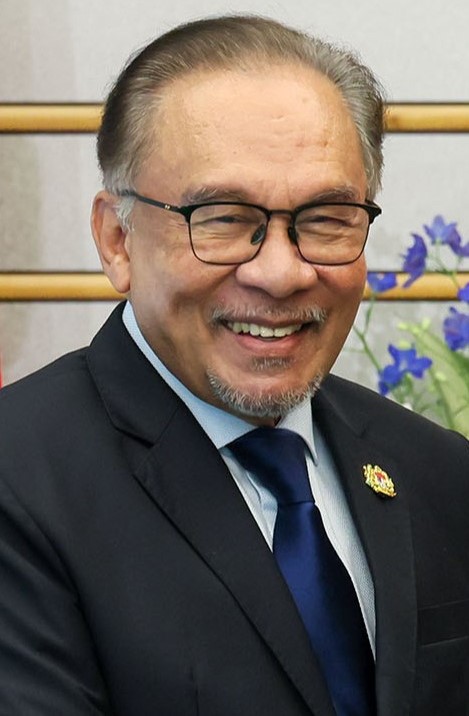
Prime Minister Anwar Ibrahim and Bangladesh Foreign Minister Tarique Rahman have reaffirmed their commitment to protecting migrant workers from exploitation and abuse, signalling renewed bilateral focus on labour standards in Putrajaya this week. The engagement reflects mounting pressure on both governments to tackle systemic vulnerabilities in cross-border recruitment while accommodating Malaysia's substantial demand for foreign workers across multiple sectors.
During their discussions, the two leaders emphasised that mistreatment and labour trafficking represent serious obstacles to sustainable migration flows. Malaysia's reliance on migrant workers—particularly from Bangladesh—has made the country a destination for hundreds of thousands of foreign nationals, yet persistent reports of wage theft, unsafe working conditions, and document confiscation continue to taint the sector. By aligning on this issue publicly, Anwar and Tarique appear committed to reshaping how the two nations manage labour mobility at the bilateral level.
Tarique's emphasis on expanding employment opportunities signals Bangladesh's keen interest in securing more jobs for its citizens abroad. With unemployment and underemployment affecting significant portions of Bangladesh's population, overseas remittances represent a critical economic lifeline for families. Malaysia, as one of the region's most developed economies, remains an attractive destination despite the documented risks. The Foreign Minister's push for increased quotas or facilitated entry suggests Bangladesh sees opportunity in Malaysia's expanding sectors, particularly construction, manufacturing, and domestic work.
Central to their agreement is the establishment of fairer recruitment processes. Both nations acknowledged that corrupt or opaque hiring mechanisms create conditions ripe for exploitation, as workers lacking clear employment contracts and transparent terms face heightened vulnerability. A streamlined, standardised recruitment framework could theoretically reduce the information asymmetries that leave migrant workers disadvantaged when they arrive in Malaysia. This aligns with international best practice promoted by the International Labour Organization and reflects growing regional consensus around labour market governance.
For Malaysia, this bilateral commitment carries practical implications. The country faces competing pressures: businesses demand more workers to sustain growth in labour-intensive sectors, yet civil society and international observers criticise the nation's track record on worker protections. Anwar's government has positioned itself as reform-minded on labour standards, particularly following global scrutiny over forced labour concerns in specific industries. By formalising protections with Bangladesh, Malaysia demonstrates responsiveness to both economic needs and ethical concerns.
The context of this agreement extends beyond bilateral relations. Southeast Asian labour migration has become increasingly scrutinised globally, with major trading partners imposing conditions around worker rights. The United States and European Union have threatened trade consequences if labour standards deteriorate. Bangladesh, as a leading source country for migrant workers across Asia, operates within a similar framework of international pressure. Coordinating with Malaysia on recruitment standards strengthens both nations' positions when engaging with developed-country counterparts on trade and investment discussions.
However, translating such commitments into ground-level implementation remains challenging. Past bilateral agreements on migrant worker protections have encountered difficulties in execution, with enforcement mechanisms often proving weak. Recruiting agents, employers, and local officials sometimes circumvent agreed procedures, particularly when profit margins depend on minimising hiring costs. Both governments will need robust monitoring mechanisms and genuine political will to ensure that formalised agreements produce tangible improvements in worker conditions rather than remaining symbolic gestures.
The timing of this statement reflects broader regional dynamics. Malaysia's construction boom, electronics manufacturing expansion, and services sector growth continue driving demand for foreign workers. Yet demographic trends in Bangladesh mean a constant supply of workers seeking opportunities abroad. This mutual need creates both incentive and leverage for meaningful cooperation. If properly implemented, a fairer recruitment framework could become a model for other labour-exporting and labour-importing nations across South and Southeast Asia.
For Malaysian employers, clearer recruitment standards may initially increase hiring costs, though proponents argue that reduced worker turnover, improved productivity, and enhanced corporate reputation ultimately justify the investment. Construction firms and manufacturers increasingly face supply-chain pressure from major clients to demonstrate ethical labour practices. Adoption of transparent recruitment processes positions Malaysian companies more competitively in global markets that increasingly reward responsible labour practices.
The agreement also reflects the diplomatic importance Malaysia places on ties with Bangladesh, a significant neighbour and fellow Muslim-majority nation. Regular high-level engagement on labour mobility reinforces broader strategic partnership while addressing a tangible concern affecting millions of families. For Bangladesh, securing commitments on job creation and fairer treatment validates its diplomatic leverage and demonstrates responsiveness to constituent demands.
Moving forward, success will depend on the establishment of concrete metrics and oversight mechanisms. Both nations should consider third-party monitoring, regular reporting on recruitment statistics, and worker feedback mechanisms. Training programmes for recruiting agents, employers, and labour inspectors could standardise compliance across jurisdictions. Creating accessible grievance channels where workers can report abuses without fear of retaliation remains essential.
The Malaysia-Bangladesh agreement on migrant worker protection represents an important step, yet the real test lies in implementation. Sincere commitment from both governments, supported by adequate resources and genuine enforcement, could meaningfully improve conditions for the hundreds of thousands of workers navigating this crucial labour corridor. Without sustained attention and accountability, the agreement risks joining a long list of well-intentioned but ineffectual bilateral declarations.