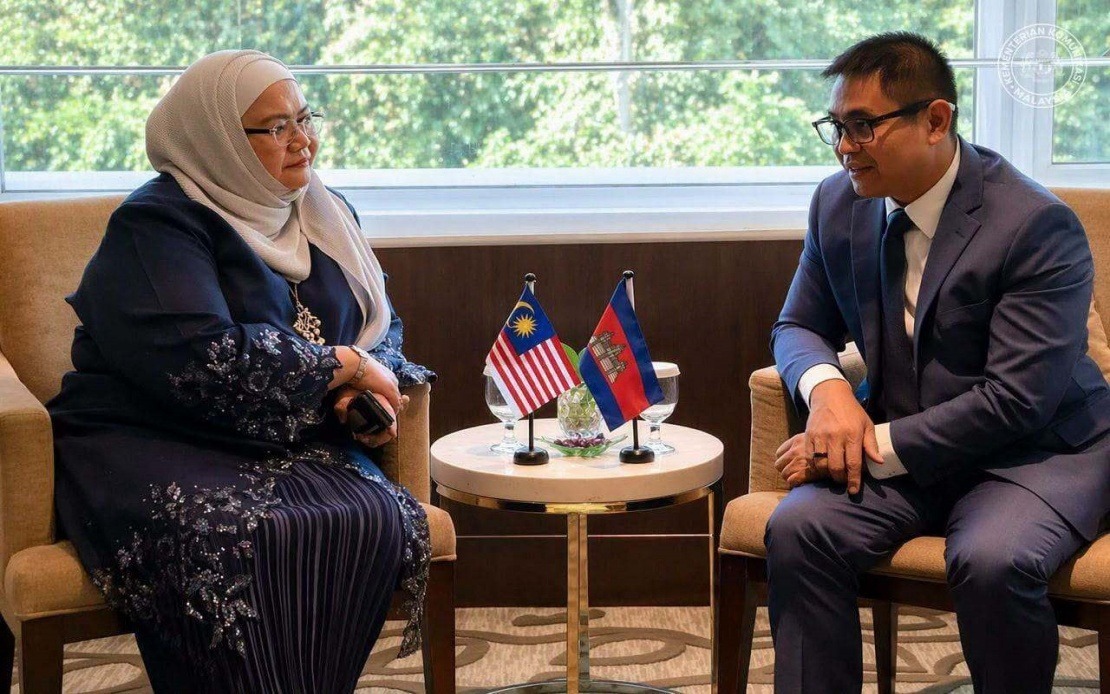
Malaysia and Cambodia are moving forward with concrete implementation plans for their Information and Media Development Memorandum of Understanding, following bilateral talks held during a regional information ministers' meeting in Brunei this week. The partnership, formally signed on 20 June, represents a significant expansion of bilateral cooperation in the communications sector and reflects the two countries' shared commitment to advancing their media ecosystems amid the digital age.
The Malaysian delegation to the bilateral discussion was led by Datuk Bahria Mohd Tamil, Deputy Secretary-General responsible for Strategic Communications and Creative Industry within the Communications Ministry. Cambodia sent Prak Thaveak Amida, Secretary of State at the Ministry of Information, to represent the government in Phnom Penh. Their meeting took place on the margins of the 23rd ASEAN Senior Officials Responsible for Information conference in Bandar Seri Begawan, providing an opportunity to address implementation details while engaging with peer officials from across the region.
The substantive scope of the MoU extends well beyond ceremonial cooperation. Both delegations examined multiple dimensions of partnership including information exchange protocols, media development initiatives, and digital transformation strategies. Notably, the discussions placed considerable emphasis on safeguarding information integrity and developing coordinated responses to emerging challenges within an increasingly complex media environment. These priorities reflect broader concerns across Southeast Asia regarding misinformation, media pluralism, and the capacity of news organisations to operate sustainably.
Malaysia's communications sector has positioned itself as a regional leader in digital transformation, with significant investments in broadcast infrastructure and online regulatory frameworks. Cambodia, meanwhile, has been strengthening its institutional approach to media management and information dissemination. The MoU creates a formal channel through which both nations can share technical expertise, exchange best practices, and coordinate on matters of mutual concern. For Malaysian stakeholders in journalism, broadcasting, and digital media, the agreement opens potential pathways for training exchanges, conference participation, and collaborative research initiatives.
The original signing of the MoU occurred on 20 June during National Journalists' Day celebrations in Penang, with Communications Minister Datuk Fahmi Fadzil and Cambodia's counterpart Neth Pheaktra overseeing the agreement. This timing proved symbolically significant, anchoring media development cooperation to a date celebrating press freedom and journalistic profession. The ad referendum signing mechanism allowed both ministers to commit their governments while formal parliamentary ratification proceeds through standard procedures.
From Malaysia's perspective, deepening ties with Cambodia carries strategic importance within ASEAN architecture. The two nations share numerous interests in maritime security, trade, and regional stability. Extending cooperation into the information sector represents a holistic approach to bilateral relations, recognising that media and communications infrastructure increasingly influence geopolitical outcomes. The alignment of messaging and cooperative media standards can facilitate better mutual understanding and reduce potential for information-driven friction between neighbours.
The emphasis on digital transformation reflects both countries' recognition that traditional media models require reinvention to remain viable. Malaysia's experience with digital broadcasting regulation, online content moderation, and media industry sustainability initiatives offers instructive lessons for Cambodia. Simultaneously, Cambodia's perspectives on content localisation and indigenous language media development contribute valuable insights that Malaysian policymakers can incorporate into their own framework refinement.
Information integrity has become a pressing issue throughout Southeast Asia as social media platforms amplify unverified narratives and coordinated disinformation campaigns target electoral processes and public health initiatives. By establishing formal channels for exchanging information about malicious actors, emerging techniques, and remedial strategies, Malaysia and Cambodia can build more resilient information ecosystems. Joint training programmes for fact-checkers, media literacy initiatives targeting students, and coordinated responses to cross-border disinformation represent concrete deliverables both nations could pursue.
The bilateral meeting also underscores Malaysia's regional diplomacy strategy within ASEAN forums. Rather than allowing multilateral discussions to dominate engagement, the country pursues bilateral conversations alongside collective meetings. This approach enables more detailed exploration of sector-specific concerns while maintaining the momentum of regional integration. The SOMRI meeting itself serves as the appropriate venue for such bilateral side engagements, as senior information officials gather to coordinate on shared challenges.
Looking forward, both governments face the challenge of translating the MoU's broad principles into measurable outcomes. Implementation will require establishing working groups, designating focal points within respective ministries, and securing budget allocations for exchange programmes and joint initiatives. The success of this partnership will ultimately depend on sustained political commitment and the willingness of both sides to invest resources beyond the signing ceremony itself.
For Malaysia's media industry, the partnership potentially opens doors to Cambodian audiences and collaborative content creation opportunities. Malaysian broadcasters and publishers may find expanded markets, while journalists could pursue comparative research on media systems across the region. Educational institutions offering media and communications programmes may develop student exchange initiatives or joint research projects examining Southeast Asian information landscapes.
The timing of this bilateral engagement, occurring just weeks after the initial signing, demonstrates both nations' seriousness about advancing the partnership beyond symbolic status. By commencing implementation discussions promptly, Malaysia and Cambodia signal to other ASEAN members and international observers their commitment to substantive regional cooperation. This momentum, if sustained through concrete actions and resource commitments, could serve as a model for future bilateral media partnerships within the association.

