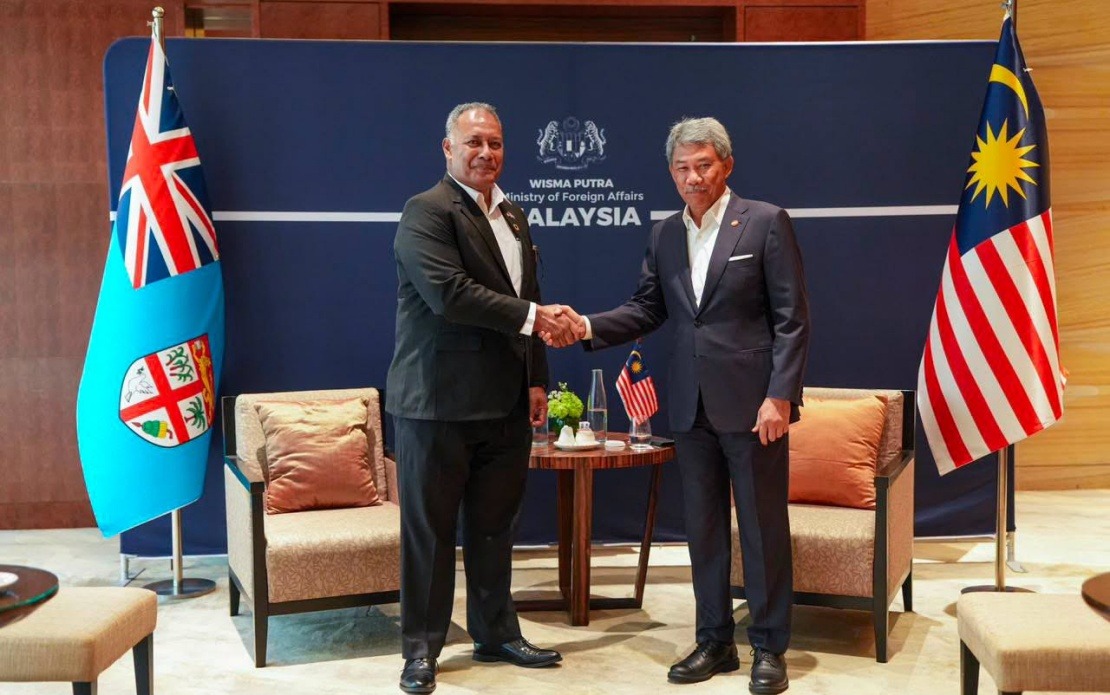
Malaysia and Fiji are moving to deepen their bilateral relationship across multiple sectors, with Foreign Minister Datuk Seri Mohamad Hasan and his Fijian counterpart Sakiasi Raisevu Ditoka reaffirming commitment to expanded cooperation during discussions held in Kuala Lumpur on Tuesday. The talks, which took place over a working lunch hosted by the Malaysian Foreign Ministry, marked a significant moment in the two nations' engagement as they chart pathways for enhanced partnership in the coming years.
The scope of bilateral cooperation encompasses a diverse range of sectors reflecting both nations' development priorities and complementary economic strengths. Trade and investment form the cornerstone of the expanded relationship, building on existing commercial ties that have demonstrated steady growth. Beyond commerce, the two ministers identified human capital development as a critical pillar, recognising that building skilled workforces and fostering educational exchange will be essential for long-term prosperity. The partnership also embraces forestry cooperation, an area where Malaysia's extensive experience in sustainable forest management and Fiji's significant forest resources create natural synergies for mutual benefit.
Renewable energy emerged as a particularly important focus area during the bilateral discussions. Given the escalating regional and global emphasis on transitioning away from fossil fuels, both nations recognise the strategic importance of developing clean energy infrastructure and expertise. For Fiji, an island nation vulnerable to climate change impacts, renewable energy investment represents both an economic opportunity and a critical adaptation strategy. Malaysia's growing renewable energy sector and technological capabilities position it as a valuable partner for knowledge transfer and potential investment collaboration in this domain.
Cultural cooperation rounds out the partnership framework, acknowledging the importance of people-to-people connections in sustaining diplomatic relationships. Through cultural exchanges, educational programmes, and tourism initiatives, Malaysia and Fiji can foster deeper mutual understanding and build networks that extend far beyond government-to-government dealings. Such exchanges strengthen the social fabric underlying formal diplomatic relations and create lasting legacies of friendship between populations.
Ditoka's presence in Malaysia from August 9 to 12 represented a significant diplomatic engagement, with the Fijian minister undertaking an official working visit designed to substantiate commitments made at higher political levels. The timing of his visit coincided with an important symbolic moment: on Monday, he officiated the formal reopening of Fiji's High Commission in Kuala Lumpur. This reopening itself represents a renewal of diplomatic presence and signals both nations' commitment to maintaining active, high-level engagement. The operational reopening of a diplomatic mission underscores the seriousness with which both governments regard their relationship and signals to regional and international audiences their determination to prioritise bilateral ties.
Trade data provides context for understanding the economic dimension of Malaysia-Fiji relations. During 2025, bilateral trade between the two nations reached RM880.01 million, equivalent to approximately US$206.2 million. Malaysian exports to Fiji dominated this exchange, valued at RM867.92 million, or roughly US$203.41 million, while Malaysian imports from Fiji amounted to RM12.09 million, approximately US$2.80 million. This trade composition reflects Malaysia's role as a significant exporter to the Pacific island economy, with the country supplying manufactured goods, machinery, and processed products to Fijian markets.
The substantial trade imbalance in Malaysia's favour, however, presents both opportunity and challenge. While it demonstrates Malaysian competitive advantages in various product categories, it also suggests untapped potential for enhancing Fiji's export capacity to Malaysian markets. The bilateral cooperation framework discussed by the two ministers may create pathways for addressing this imbalance through investment in productive capacity in Fiji and through facilitating market access for Fijian products in Malaysia. Agricultural products, seafood, and specialty items from Fiji could potentially find expanded markets through enhanced trade agreements and mutual recognition frameworks.
Beyond bilateral matters, the ministers also exchanged perspectives on regional and global issues affecting both nations. These broader discussions reflect Malaysia's strategic interest in strengthening connections with Pacific island nations, a region increasingly important to global geopolitics and climate resilience efforts. For Malaysia, engagement with Pacific countries like Fiji strengthens ASEAN's diplomatic reach and demonstrates the region's commitment to inclusive, rules-based international cooperation. Fiji, as chair of the Alliance of Small Island States, brings perspectives on climate change and sustainable development that resonate with Malaysia's own environmental commitments and development objectives.
The renewed focus on Pacific engagement aligns with Malaysia's broader Indo-Pacific strategy, particularly as regional powers competition in the Pacific intensifies. By strengthening ties with individual Pacific nations and supporting their development priorities, Malaysia positions itself as a reliable partner genuinely invested in regional stability and prosperity rather than as a power seeking geopolitical advantage. This approach strengthens ASEAN's collective voice in international forums and creates networks of cooperation that benefit all participating nations.
Looking forward, the cooperation framework agreed during these discussions requires substantive follow-up mechanisms and implementation pathways to translate political commitments into concrete outcomes. Joint committees, technical working groups, and regular ministerial engagements will be essential for monitoring progress and identifying new opportunities for collaboration. The reopened High Commission in Kuala Lumpur will serve as the institutional foundation for deepening these relationships, providing a dedicated diplomatic presence capable of nurturing bilateral ties and facilitating business, cultural, and academic exchanges.
For Malaysian businesses, the expanded cooperation framework presents opportunities to participate in Fiji's development agenda, whether through investment in renewable energy projects, forestry management initiatives, or human capital development programmes. Similarly, Malaysian educational institutions may find expanded scope for welcoming Fijian students and scholars, creating alumni networks that endure long after formal agreements conclude. These people-to-people connections ultimately prove most durable in sustaining international relationships through political transitions and shifting global circumstances.

