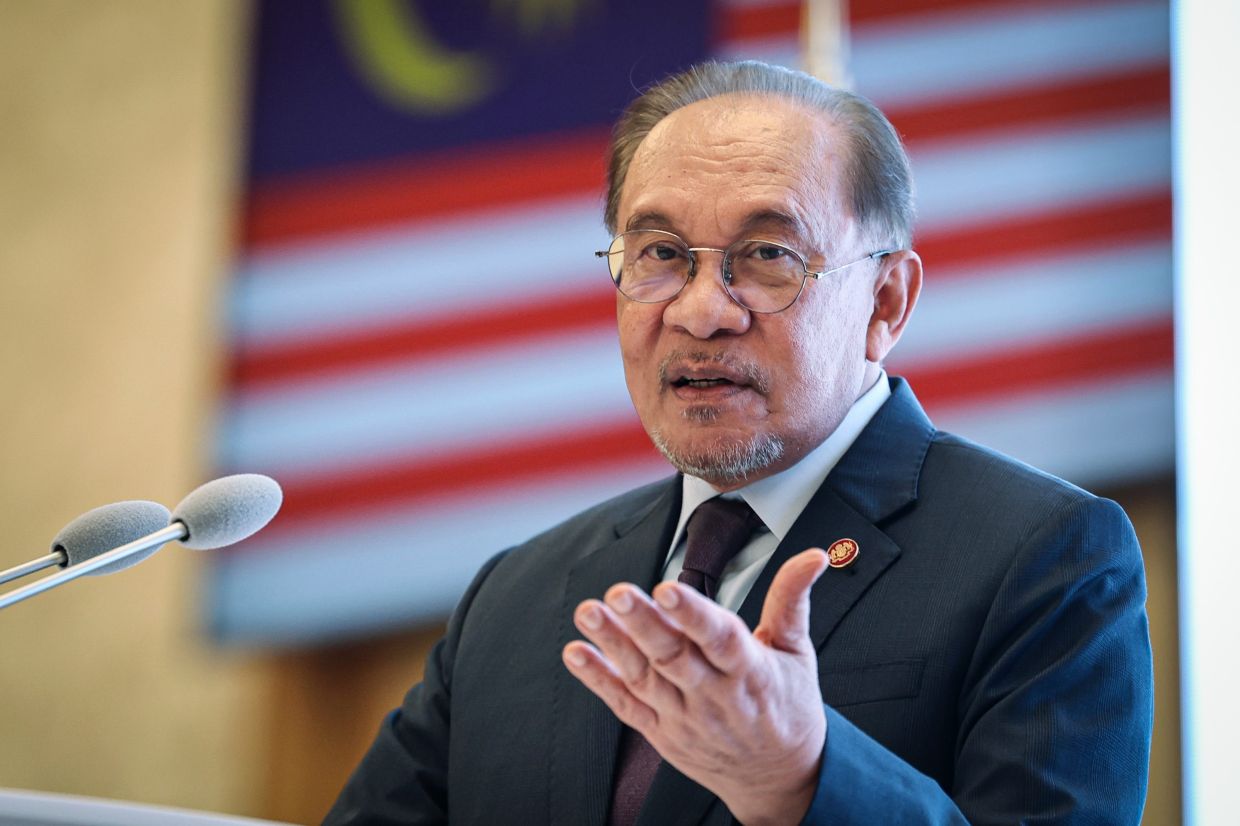
Prime Minister Datuk Seri Anwar Ibrahim has indicated that the long-awaited master plan for the Johor-Singapore Special Economic Zone is nearing completion, with Malaysia and Singapore poised to wrap up negotiations in the months ahead. The announcement comes as the two neighbours continue to deepen their economic partnership and resolve outstanding bilateral issues that have tested their relationship in recent years. Speaking after a high-level meeting with Singapore President Tharman Shanmugaratnam during the latter's state visit, Anwar highlighted the constructive momentum building around the JS-SEZ initiative, which represents one of the most ambitious cross-border economic projects in Southeast Asia.
Tharman's three-day visit to Malaysia, from July 13 to 15, was undertaken at the formal invitation of His Majesty Sultan Ibrahim, King of Malaysia, underscoring the ceremonial importance both governments place on reinforcing bilateral ties. The state visit provided an ideal platform for Anwar, who serves concurrently as finance minister, to hold substantive talks with his counterpart on matters spanning trade, investment, and regional stability. The courtesy call between the two leaders went beyond routine diplomatic courtesy, touching on several substantive areas where the two nations are working to chart a common course forward.
The JS-SEZ represents a transformative opportunity for both Malaysia and Singapore, promising to unlock significant economic value through integrated logistics, trade, and manufacturing activities across the Johor-Singapore border. For Malaysia, particularly Johor, the zone offers the prospect of attracting high-value foreign direct investment and generating employment opportunities in an increasingly knowledge-based economy. Singapore, meanwhile, views the initiative as a mechanism to secure supply chain resilience and maintain its regional competitive edge by leveraging Johor's geographic proximity and lower operational costs. The completion of the master plan is therefore critical to translating the political commitment into concrete investment frameworks and operational guidelines.
Beyond the JS-SEZ, Anwar's meeting with Tharman touched on Malaysia-Singapore relations more broadly, a relationship that has seen intermittent tensions but also deep historical and economic interdependence. The two countries share complex issues ranging from water agreements and maritime boundaries to labour migration and financial connectivity. Both leaders acknowledged the need to address outstanding matters through structured dialogue, emphasising that progress will depend on upholding mutual respect and transparent negotiation. This language suggests that while irritants remain, both governments are committed to preventing disputes from derailing the broader relationship.
The timing of Tharman's visit carries additional significance given the broader regional context. Southeast Asia faces mounting external pressures, including strategic competition between major powers and concerns about trade protectionism. Within this environment, a strengthened Malaysia-Singapore partnership sends a signal that the region's smaller economies remain focused on practical cooperation and integration rather than zero-sum rivalry. For Malaysian policymakers, deepening ties with Singapore also reinforces the country's positioning as a bridge between the developed and developing worlds within ASEAN.
Anwar's emphasis on resolving outstanding issues reflects a diplomatic approach that seeks to build durable foundations for economic cooperation. Rather than allowing historical grievances or unresolved disputes to fester, both leaders have signalled a preference for constructive engagement guided by frameworks of mutual benefit. This stance is particularly important given that Singapore is Malaysia's largest trading partner in the region, with annual bilateral trade exceeding RM140 billion in recent years. The health of this relationship directly impacts Malaysia's economic performance and competitiveness.
The JS-SEZ master plan finalisation is likely to include detailed provisions on governance structures, investment incentives, regulatory harmonisation, and dispute resolution mechanisms. Such arrangements typically take considerable time to negotiate because they must balance the interests of federal and state governments in Malaysia with Singapore's centralised decision-making structure. The involvement of Johor State Government officials in these discussions adds another layer of complexity, as the state government must ensure that the zone generates genuine development benefits for the local population and economy.
For regional observers, the progress on JS-SEZ sends a broader message about ASEAN's capacity for ambitious cross-border integration projects. The initiative demonstrates that despite recent political tensions and the rise of nationalist sentiments in some quarters, Southeast Asian nations remain willing to pursue deep economic integration. This is particularly noteworthy given that the JS-SEZ sits at the intersection of multiple jurisdictions and requires harmonising differing legal, fiscal, and regulatory systems.
Looking ahead, the completion of the JS-SEZ master plan will likely trigger a cascade of implementation activities, including infrastructure development, regulatory clearing, and investor outreach. Both Malaysian and Singaporean development agencies have signalled strong interest in making the zone operational within a defined timeframe. For Malaysian investors and businesses, the zone promises easier market access to Singapore and the broader global economy; for Singapore-based companies, it offers cost advantages and supply chain flexibility. The zone also holds potential benefits for other ASEAN members, as it could serve as a model for similar cross-border economic initiatives elsewhere in the region, particularly as countries seek to diversify their economic bases and strengthen intra-regional trade.

