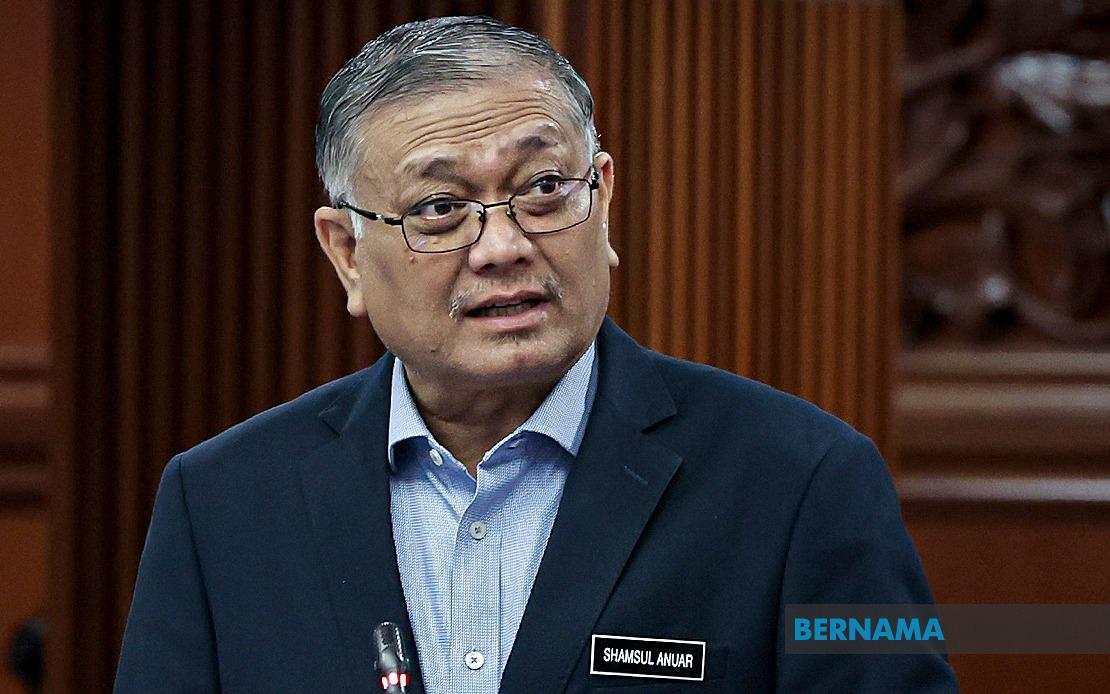
Malaysia's Home Ministry has reaffirmed its commitment to examining citizenship applications on individual merit, particularly for vulnerable populations such as children born abroad to Malaysian mothers. Speaking during parliamentary proceedings this week, Deputy Home Minister Datuk Seri Dr Shamsul Anuar Nasarah stressed that the nation remains open to considering naturalisation claims despite applicants' documentation challenges, provided they meet statutory requirements and pass security vetting.
A key clarification addressed misconceptions surrounding the circumstances under which individuals lose eligibility for Malaysian citizenship. The Deputy Minister explicitly stated that the passing of a Malaysian mother does not serve as an automatic bar to citizenship applications, a distinction that carries significant implications for orphaned children or those whose mothers predeceased before formal documentation could be completed. This nuance reflects the ministry's recognition that rigid procedural requirements must sometimes bend to humanitarian considerations, though such decisions remain subject to rigorous scrutiny.
The citizenship assessment framework encompasses multiple layers of investigation designed to balance accessibility with national security concerns. Every applicant undergoes comprehensive background checks, document verification, and security screening protocols that the ministry describes as stringent. Officials maintain that this multi-stage approach protects national sovereignty while ensuring that genuinely qualified individuals are not denied citizenship through administrative negligence or procedural errors.
For adults aged twenty-one and above who have never previously applied for Malaysian citizenship, the Federal Constitution's Article 19 provides a naturalisation pathway. However, candidates must satisfy demanding prerequisites that effectively limit this route to committed long-term residents. Requirements include holding permanent resident status, satisfying minimum residency periods that vary by circumstance, demonstrating good character through background investigations, and proving functional competency in the Malay language. These conditions reflect the government's view that citizenship represents more than legal status—it encompasses cultural integration and commitment to national values.
The Home Ministry has established an ambitious processing target of one year for complete citizenship applications, a timeline that officials acknowledge represents an improvement over historical performance. The ministry monitors compliance with this benchmark closely, though officials acknowledge that complex cases may require extended consideration. This deadline reflects broader government efforts to streamline bureaucratic processes that have historically frustrated applicants and generated criticism from human rights organisations.
To address longstanding documentation deficits particularly affecting Sabah and Sarawak residents, authorities have deployed a Special Task Force comprising the National Registration Department and the Sarawak Premier's Department. Operating through field operations across these states, the task force tackles the root causes of citizenship barriers by assisting with birth registrations and identity document issuance. This proactive approach acknowledges that many citizenship obstacles stem from incomplete foundational documentation rather than substantive ineligibility.
A complementary mechanism operates at the state level in Sarawak through a dedicated Special Committee on Citizenship Status. This body specifically reviews applications submitted under Article 15E of the Federal Constitution, a provision allowing federal consideration of cases requiring special attention. The committee's mandate encompasses applications involving children and other circumstances that fall outside standard naturalisation procedures, creating flexibility within the system for exceptional hardship cases.
Parallel to these domestic efforts, Malaysian officials have signalled renewed commitment to regional cooperation addressing refugee protection and asylum seeker crises. Deputy Foreign Minister Datuk Lukanisman Awang Sauni highlighted Malaysia's ongoing engagement with ASEAN frameworks and the United Nations High Commissioner for Refugees, particularly regarding Rohingya populations within Malaysian territory. The refugee situation illustrates how citizenship and migration governance intersect with broader questions of humanitarian responsibility and international law.
The Rohingya crisis carries significant implications extending beyond humanitarian concerns to encompass irregular migration, human trafficking networks, and regional security challenges. Malaysia's advocacy for international burden-sharing reflects recognition that durable solutions require coordinated multilateral action rather than unilateral absorption by Southeast Asian states. The government continues promoting the Five-Point Consensus as ASEAN's primary framework for addressing Myanmar's internal crisis, while simultaneously pressing the international community for expanded resettlement opportunities in third countries.
For Malaysian citizens and residents navigating citizenship documentation issues, these policy clarifications offer modest encouragement. The emphasis on individual assessment suggests that procedural barriers do not inevitably foreclose citizenship pathways, particularly for individuals with legitimate claims rooted in family connection. However, the stringent security and language requirements, combined with extended processing timelines, mean that citizenship acquisition remains a protracted undertaking requiring sustained effort and documentation.
The distinction between citizenship policy and refugee protection policy underscores the complexity of Malaysia's approach to migration governance. While domestic citizenship applications face deliberate scrutiny designed to protect sovereignty, the government simultaneously acknowledges international obligations toward displaced persons including Rohingya communities. Balancing these competing imperatives remains an ongoing challenge for policymakers seeking to maintain security protocols without abandoning humanitarian principles that define Malaysia's broader regional role.

