Malaysia Athletics faces a critical governance crisis that threatens to undermine the country's athletic ambitions and international standing. Former Sports Commissioner Datuk Zaiton Othman has issued a stern warning to the national governing body, emphasising that non-compliance with World Athletics constitutional requirements could trigger punitive action including registration suspension or outright cancellation. The intervention highlights growing concern among sporting authorities and former athletes about administrative failures that could have cascading consequences for Malaysian athletics on the regional stage.
The implications of potential World Athletics sanctions extend far beyond bureaucratic inconvenience. Should Malaysia Athletics be suspended, the nation would be barred from hosting athletics competition at the 2027 SEA Games—a prospect particularly troubling given that Malaysia will serve as host nation for the Games. Additionally, suspension would prevent Malaysian athletes from competing in any World Athletics-sanctioned international events, effectively isolating the country's track and field competitors from the global sporting community. This scenario represents an existential threat to Malaysia's athletic development and competitive positioning in Southeast Asia.
Athletics holds exceptional importance within the SEA Games medal ecosystem. The sport provides 47 gold medals across the competition, positioning it alongside swimming and shooting as one of the three most generous medal sources at the regional championship. The signature events—the 100 metres individual sprint and the 4x100 metres relay—carry particular prestige as marquee competitions that capture regional attention and showcase national talent. The prospect of being unable to organise these events at home would represent an unprecedented diplomatic and sporting embarrassment, undermining Malaysia's credibility as a Games host.
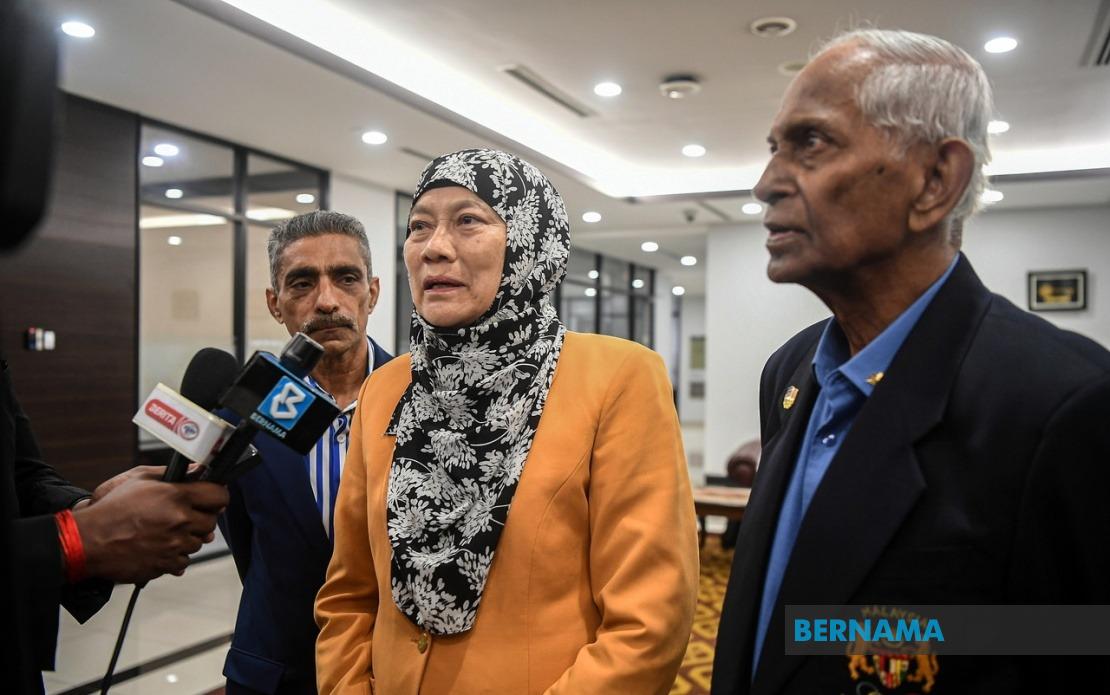
Zaiton, a decorated former heptathlon athlete known as the 'Iron Woman' during her competitive career, articulated the paradox confronting Malaysian athletics. The country finds itself in the position of preparing to host a Games while simultaneously facing the possibility of being unable to field a competitive athletics programme. This contradiction prompted her to meet with Youth and Sports Minister Dr Mohammed Taufiq Johari at Parliament, accompanied by Olympian Datuk Karu Selvaratnam and former National Athletes Welfare Foundation chairman Datuk Noorul Ariffin Abdul Majeed. The delegation represented broader concerns within Malaysia's athletic community that governance failures could compromise athlete development and national competitive performance.
The governance disputes centre on Malaysia Athletics' constitutional framework, which reportedly contains provisions that diverge from or contradict World Athletics requirements. These discrepancies are not mere technicalities; they represent substantive departures from international standards that the world governing body views as serious compliance violations. Malaysia Athletics president Karim Ibrahim has acknowledged these issues, taking a leave of absence in advance of an Annual General Meeting scheduled to consider constitutional amendments designed to harmonise the organisation's governance structure with World Athletics standards.
Karim Ibrahim's position carries additional complexity given his history with the international sporting body. He was suspended by World Athletics in 2018—a decision upheld by the Court of Arbitration for Sport—though he retained eligibility to serve on the Asian Athletics Federation Executive Council for the 2019-2023 term. His leadership of Malaysia Athletics during this period of constitutional revision thus occurs against a backdrop of previous disciplinary action, raising questions about the scope and adequacy of proposed reforms.
The government's role in this matter demonstrates the delicate balance required in sports administration. Although the Sports Development Act 1997 provides the Youth and Sports Ministry and the Sports Commissioner authority to monitor compliance and ensure that sports associations operate within prescribed regulatory frameworks, direct government intervention in association administration is legally restricted. This constraint means that meaningful change depends largely on Malaysia Athletics' voluntary commitment to reform, even as the consequences of failure fall upon the nation as a whole.
The concerns raised by Zaiton and her colleagues reflect a deeper anxiety within Malaysia's sporting establishment about whether institutional structures are adequate to protect the country's athletic interests. Several former athletes and Olympians joined the reform initiative motivated by concern that governance deficiencies might degrade athlete performance through regulatory non-compliance and associated international sanctions. The involvement of respected sporting figures underscores that this is not a parochial dispute among administrators but rather a matter touching fundamental questions about national athletic capacity and competitive credibility.
For Malaysian sports administrators, the challenge ahead involves navigating a narrow path between respecting Malaysia Athletics' autonomy as an independent sports body and ensuring that the organisation meets minimum international standards. The upcoming constitutional amendments will signal whether Malaysia Athletics recognises the existential nature of the governance challenge and is prepared to undertake substantive organisational reform. Failure to achieve genuine compliance would leave Malaysia vulnerable to suspension precisely at a moment when the nation requires maximum athletic credibility to justify its selection as SEA Games host.
The situation carries particular urgency given that the 2027 SEA Games approach within a relatively compressed timeframe. Resolving constitutional issues, implementing new governance structures, and rebuilding international confidence requires sustained effort and political will. Malaysia Athletics must demonstrate not merely technical compliance with World Athletics rules but also substantive commitment to the principles of transparency, accountability, and athlete welfare that underpin contemporary sports governance. The stakes extend beyond sporting honour; they encompass Malaysia's ability to deliver a credible, internationally-recognised Games and to provide competitive opportunities for the nation's emerging athletic talent.