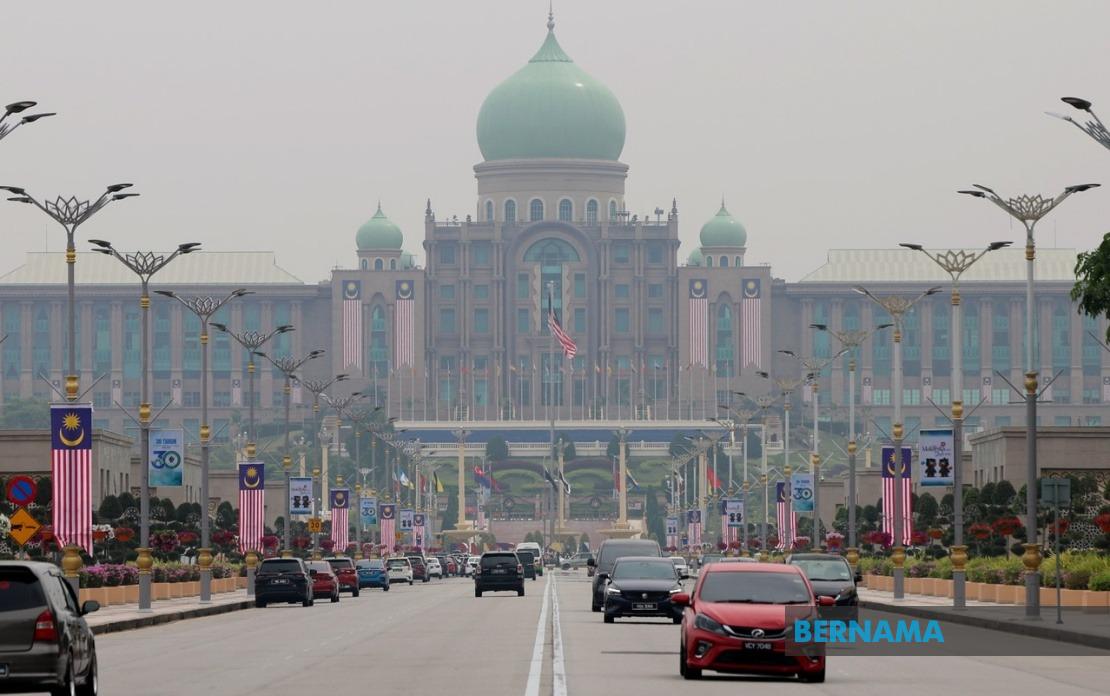
Malaysia is preparing for a week of increasingly hazardous air conditions that could disrupt National Day celebrations on August 31, with the Malaysian Meteorological Department projecting unhealthy pollution levels across multiple states through the end of the month. The weather agency, which issued its forecast on August 27, identified an unusually persistent combination of atmospheric factors that will drive transboundary smoke across the region during a critical period for Malaysia's national calendar.
MetMalaysia's director-general, Dr Mohd Hisham Mohd Anip, attributed the deteriorating conditions to the southwest monsoon winds combined with what forecasters describe as an unusually high concentration of active hotspots across southern Sumatra and western Kalimantan in Indonesia. The monsoon pattern, which typically dominates Southeast Asian weather systems between May and September, creates a wind corridor that funnels smoke and particulate matter northward toward Peninsular Malaysia and Sabah, making transboundary air pollution a recurring challenge during this season. The confluence of active fires and favourable wind patterns creates ideal conditions for haze to persist rather than dissipate quickly.
According to the Malaysian Community Multiscale Air Quality Model, which MetMalaysia uses to forecast air quality across the nation, Sarawak faces the most severe risk during this period. The model indicates that most districts in Sarawak will experience hazy weather classified at the Unhealthy level, with several districts potentially reaching the Very Unhealthy category on August 30 and 31. This represents a significant health concern for the state's residents, as exposure to air quality in the Very Unhealthy range poses substantial risks even for the general population, not merely vulnerable groups such as children and the elderly.
On Peninsular Malaysia, the haze threat extends across a broad swath of the country's most densely populated regions. Sabah is expected to encounter hazy conditions beginning from Saturday of the same week, while Johor, Melaka, Negeri Sembilan, Selangor, Kuala Lumpur, and Putrajaya all face potential high haze concentrations persisting until August 31. The inclusion of Putrajaya—the administrative capital and proposed venue for National Day festivities—in this alert carries particular significance for government planning. The federal territories and Selangor, which encompass the Klang Valley metropolitan area housing over seven million people, represent the nation's economic and political heartland, making air quality degradation there consequential for both public health and official ceremonies.
The timing of this haze forecast has prompted immediate policy reconsideration at the highest levels of government. Communications Minister Datuk Seri Fahmi Fadzil announced that the government was actively evaluating whether to scale down or relocate the National Day celebration scheduled for August 31, effectively acknowledging that hosting a large outdoor ceremony under hazardous air quality conditions would be neither prudent nor symbolic of national resilience. Large outdoor gatherings during unhealthy air quality episodes create direct health exposure for participants while potentially stranding elderly attendees and those with respiratory conditions in contaminated environments.
Prime Minister Datuk Seri Anwar Ibrahim has responded to the situation by calling upon Malaysians to pray that conditions remain manageable as the nation approaches both National Day and Malaysia Day on September 16. His invocation of prayer alongside official monitoring reflects the genuine uncertainty inherent in air quality forecasting, where subtle shifts in atmospheric patterns or unexpected changes in fire behaviour across Indonesian territory can substantially alter the trajectory of pollutant transport. The Prime Minister's public comments also serve to calibrate public expectations, preparing citizens for potential adjustments to celebrations while maintaining confidence in government preparedness.
MetMalaysia has committed to continuous monitoring and regular forecast updates based on evolving meteorological conditions and atmospheric data. This commitment reflects lessons learned from previous haze episodes, including the severe 2015 crisis, during which delayed or inaccurate forecasting hampered public health responses and official decision-making. Modern air quality modelling, while imperfect, provides substantially greater lead time for both emergency preparedness and public advisories compared to reactive responses after poor air quality materialises.
The haze situation underscores Malaysia's vulnerability to environmental conditions beyond its direct control. The concentration of fire-prone tropical peatlands in the Indonesian portions of Sumatra and Kalimantan means that seasonal agricultural burning and uncontrolled vegetation fires regularly create transboundary pollution affecting millions of Malaysians. Unlike domestic air quality challenges that can be addressed through emission standards and industrial regulation, addressing transboundary haze requires regional cooperation and implementation of fire management practices in Indonesian territories—a diplomatic dimension that adds complexity to Malaysia's environmental and public health policy.
For Malaysian citizens and residents, the forecast serves as a timely reminder to monitor real-time air quality indices and take appropriate precautions during the final week of August. Individuals with respiratory conditions should consider rescheduling outdoor activities or ensuring adequate supplies of medication, while employers in affected areas may need to arrange work modifications to limit employee exposure during peak pollution hours. The Air Quality Index readings that MetMalaysia disseminates hourly provide more granular information than broader state-level forecasts, allowing residents to make informed decisions about exposure.
The potential disruption to National Day celebrations also carries symbolic weight in Malaysia's public consciousness. Independence Day observances, typically marked by patriotic displays, flag-raising ceremonies, and large public gatherings, represent moments of collective national identity. Haze-induced postponements or relocations, while necessary for public health, require clear communication from authorities to prevent confusion or disappointment among citizens eager to participate in national celebrations. The government's proactive consideration of contingency plans demonstrates awareness of these sensitivities.
Looking beyond this specific episode, the recurring haze phenomenon reflects underlying realities about Southeast Asian environmental governance and transboundary pollution. As Indonesia continues to develop its palm oil and agricultural sectors, pressure on forested lands persists, and without substantial investment in fire prevention technology and enforcement capacity, seasonal haze incidents will likely recur. Malaysian policymakers must balance diplomatic sensitivity with frank advocacy for improved fire management practices across the border, recognising that unilateral domestic action cannot fully resolve a region-wide challenge.

