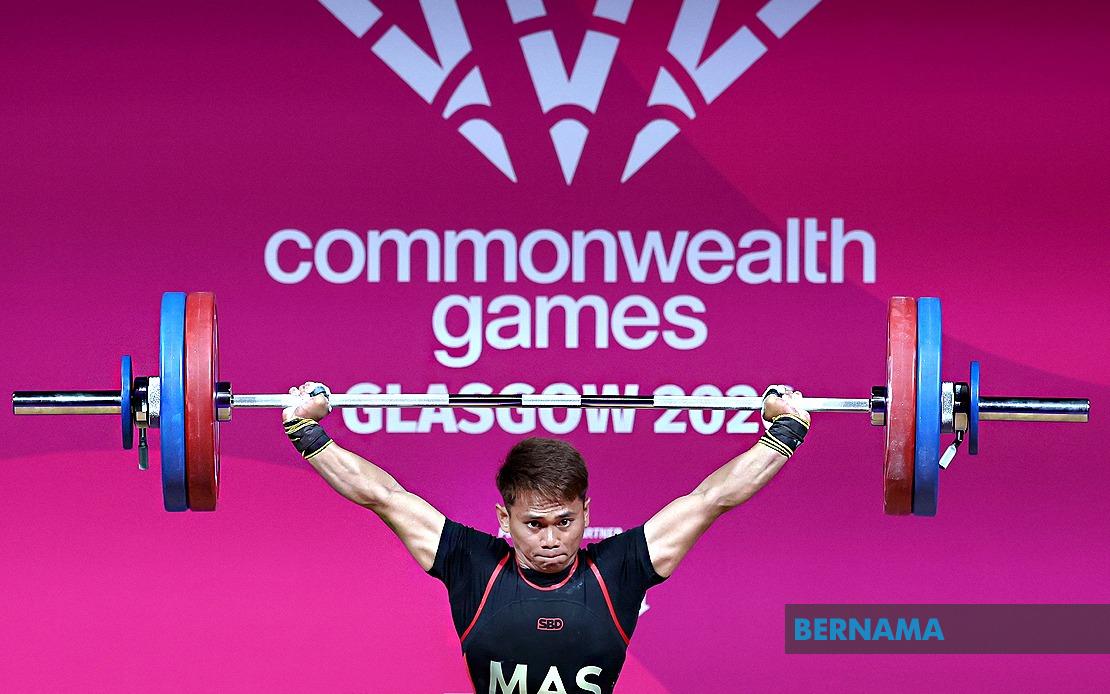
Malaysia's weightlifting contingent has delivered the nation's opening gold medal at the 2026 Commonwealth Games in Glasgow, with 24-year-old Mohamad Aniq Kasdan dominating the men's 60 kilogramme division at Scottish Event Campus Armadillo. Prime Minister Datuk Seri Anwar Ibrahim took to social media to extend his congratulations to the athlete, framing the victory as a source of national pride that demonstrates Malaysian excellence on the world sporting stage.
Aniq's commanding performance at the Games reflected months of dedicated training and preparation. The weightlifter achieved a combined lift of 273 kilogrammes, comprising 121 kilogrammes in the snatch discipline and 152 kilogrammes in the clean and jerk. This total not only secured the gold medal but also established a new Commonwealth Games record for the event, underscoring the calibre of his technical execution and raw strength under international competition conditions.
The competition itself was closely contested among the region's top lifters. India's Rishikanta Singh Chanambam claimed the silver medal with a combined lift of 264 kilogrammes, finishing nine kilogrammes behind Aniq's winning effort. Kenya's Joshua Amunga Mboya rounded out the podium with the bronze medal, having lifted 260 kilogrammes. The performance gap between the top three competitors was relatively narrow, highlighting the level of technical proficiency and athletic conditioning required to succeed at Commonwealth level.
Prime Minister Anwar's public acknowledgement of Aniq's achievement carries significance beyond mere ceremonial recognition. By explicitly identifying this gold medal as Malaysia's first of the Games, he has set a benchmark and drawn attention to the broader performance expectations for the Malaysian contingent. His message to fellow athletes—that they should draw inspiration from Aniq's success and work towards bringing home additional medals—reflects the administration's commitment to leveraging sports success as a source of national morale and international prestige.
The weightlifting discipline has historically been a competitive arena for Southeast Asian nations, with several countries in the region producing world-class lifters. Mohamad Aniq's victory demonstrates that Malaysia possesses the training infrastructure, coaching expertise, and athletic talent necessary to compete at the highest Commonwealth level. His achievement, particularly the Games record, suggests he represents not merely a competitive presence but a genuine medal contender in his weight category on the international circuit.
For Malaysian sports development, Aniq's success at Glasgow carries implications extending beyond the immediate Games. Records established at major international competitions often serve as benchmarks for athlete development programmes, helping coaches and sports scientists establish realistic performance targets. The Games record he has set will likely become a focal point for future weightlifters in Malaysia's programme, driving continuous improvement and technical refinement within the discipline.
The timing of Malaysia's first gold medal—secured early in the Games schedule—provides valuable momentum for the remainder of the competition. First medals in any multi-sport event often catalyse improved performances among subsequent competitors from the same nation, as they generate confidence and demonstrate that success is achievable within the specific competitive environment. This psychological boost may prove beneficial for other Malaysian athletes competing in events yet to be contested.
Commonwealth Games competitions serve as crucial testing grounds for athletes preparing for Olympic qualification cycles. For Mohamad Aniq, his dominant performance and Games record at Glasgow position him favourably within the weightlifting world rankings and may enhance his trajectory towards future Olympic competitions. The visibility he gains through this success could also attract sponsorship opportunities and increased support from Malaysian sports development agencies, enabling him to pursue further competitive advancement.
The political dimension of sporting success in Malaysia remains significant, with national achievements regularly cited as evidence of institutional effectiveness and national capability. Prime Minister Anwar's deliberate recognition of Aniq's victory reflects this tradition, leveraging the athlete's accomplishment as a broader statement about Malaysian competence and international standing. Such public endorsements also underline governmental support for sports development, an important message for aspiring athletes considering whether to pursue competitive sporting careers.
Looking forward, Aniq's gold medal establishes him as a marquee figure within Malaysian weightlifting. The combination of technical excellence, demonstrated by his lift execution, and his competitive resilience—defeating established regional competitors—suggests he possesses the attributes necessary for sustained success. How Malaysia's sports system capitalises on his momentum through continued investment, coaching development, and competitive opportunities will significantly influence whether this gold medal represents an isolated achievement or the beginning of a sustained run of success in heavyweight categories.
The broader narrative of Malaysian sports participation at the Commonwealth Games reflects ongoing efforts to establish the nation as a consistent medal-producing competitor. While Malaysia has historically performed respectably at these Games, securing early medals and, particularly, establishing Games records raises the competitive profile. Aniq's achievement in Glasgow contributes to this narrative arc, providing concrete evidence that Malaysian athletes can not only compete but excel against Commonwealth nations with substantial sporting infrastructure and resources.

