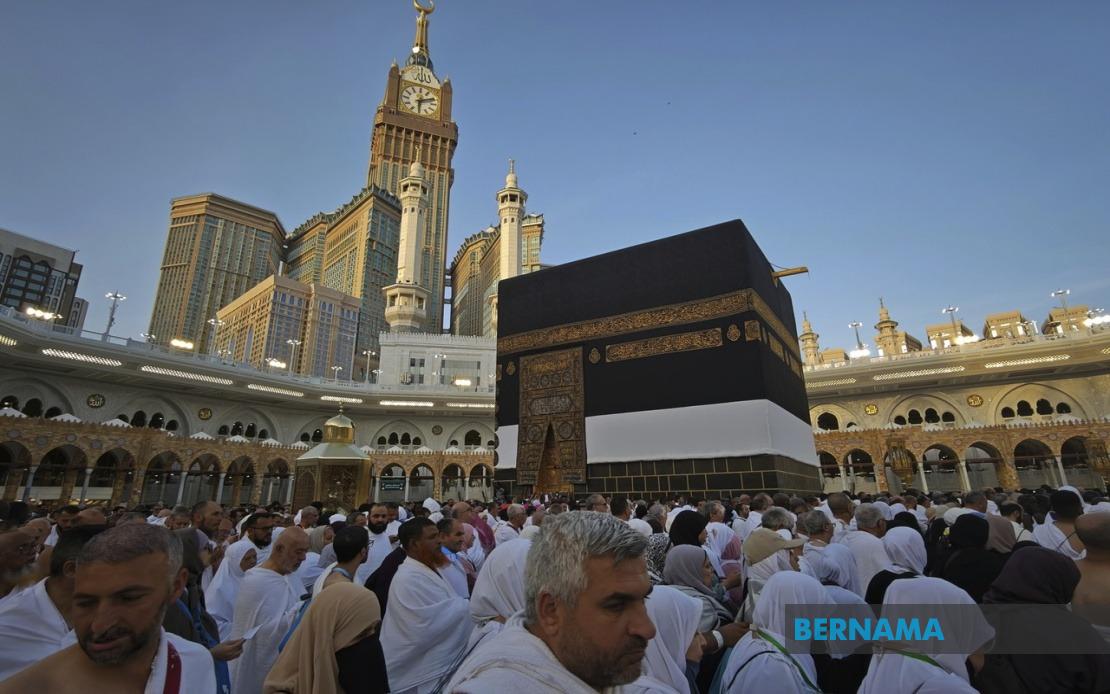
The Malaysian consulate in Jeddah has moved to quash false rumours circulating across social media platforms, confirming on Sunday that every haj pilgrim from the 1447H/2026 season has safely completed their return journey to Malaysia. The diplomatic mission issued a formal statement explicitly denying claims that some Malaysian pilgrims remained stranded in Saudi Arabia, a sensitive matter that could easily spark public concern during the post-pilgrimage period.
The consulate's clarification comes at a critical moment when misinformation regarding haj operations can quickly spread through Malaysian social media channels, potentially causing unnecessary alarm among families awaiting final confirmations of their loved ones' arrival. By issuing a categorical denial, the mission sought to prevent the amplification of what officials characterised as unverified and inaccurate information circulating online.
According to the consulate's statement, the repatriation of all Malaysian haj pilgrims proceeded exactly according to the schedule established by the Pilgrims Fund Board, known locally as Tabung Haji. This scheduling adherence demonstrates the coordination achieved between Malaysia's haj management authorities and Saudi Arabian officials during the 1447H religious calendar year, corresponding to 2026 in the Gregorian calendar.
The Pilgrims Fund Board serves as Malaysia's premier institution responsible for managing haj operations, overseeing both the financial aspects through pilgrimage savings schemes and the logistical coordination of departure and return flights. The board's ability to maintain predetermined schedules reflects years of operational experience managing one of Asia's largest haj contingents, with Malaysia routinely sending tens of thousands of pilgrims to the holy cities annually.
Malaysia's consulate explicitly stated that no Malaysian nationals remained in Saudi Arabia as part of ongoing 1447H/2026 haj season operations. This unequivocal declaration aimed to provide complete reassurance to the Malaysian public, particularly to families who had been tracking their relatives' movements through official channels and personal communications.
The emergence of such false claims highlights broader challenges facing government agencies in the digital age, where unverified claims can gain traction rapidly without proper fact-checking. The consulate's response demonstrates an increasing recognition among Malaysian diplomatic missions of the need to engage directly with social media narratives rather than allowing misinformation to circulate unopposed.
In its statement, the consulate urged Malaysian citizens to exercise critical judgment regarding information sources, particularly during sensitive periods involving large-scale religious and logistical operations. Officials emphasised the importance of consulting only authoritative government channels rather than relying on secondhand social media posts that may originate from unreliable or deliberately misleading sources.
The Pilgrims Fund Board, as the official coordinating body, remains the primary source Malaysians should reference for haj-related updates. The board maintains comprehensive communication systems including dedicated hotlines, official websites, and coordinated announcements through major media outlets. These established channels provide real-time information about pilgrim movements, flight schedules, and administrative procedures related to the haj journey.
This incident underscores the significance of maintaining transparent communication between government agencies and the public during major national undertakings. For Malaysia's predominantly Muslim population, the haj represents both profound spiritual importance and substantial logistical complexity involving international coordination with Saudi authorities, airline operations, and domestic infrastructure.
The swift consular response also reflects Malaysia's diplomatic commitment to ensuring its citizens abroad receive appropriate support and protection. The consulate in Jeddah maintains year-round presence partly to manage haj-related affairs, with staffing and resources substantially increased during the annual pilgrimage season to address pilgrim needs, process documentation, and coordinate repatriation operations.
Moving forward, the incident suggests opportunities for enhanced public communication strategies that could include pre-emptive information campaigns explaining expected timelines and encouraging Malaysians to verify information through official channels. Such proactive engagement might reduce the space available for rumours to flourish during future pilgrimage seasons.

