Malaysia has undertaken a comprehensive climate adaptation strategy this year, conducting 35 cloud seeding operations across strategic locations nationwide between February and June to combat the prolonged effects of the El Nino weather phenomenon. The initiative forms part of a broader effort to safeguard the nation's water security and mitigate the risks posed by extended hot and dry spells that have affected rainfall patterns across the region.
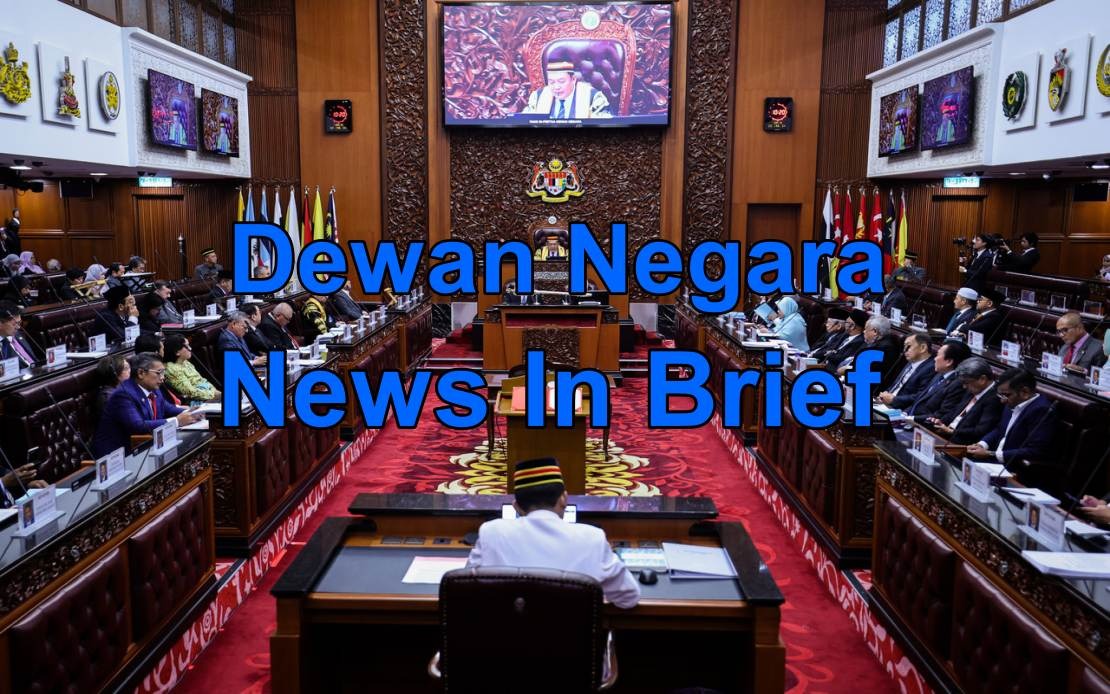
Deputy Natural Resources and Environmental Sustainability Minister Syed Ibrahim Syed Noh explained during parliamentary Question Time that these operations target enhanced rainfall generation to boost water levels in the country's critical dam infrastructure. The cloud seeding programme operates through a coordinated framework involving the National Disaster Management Agency and the Royal Malaysian Air Force, with implementation contingent upon favourable atmospheric and mesospheric conditions. The dual objectives of the initiative encompass both immediate water resource replenishment and longer-term mitigation of secondary environmental concerns, including haze episodes that have historically affected air quality across Southeast Asia.
The government's proactive stance on climate adaptation reflects growing recognition of El Nino's extended impact, which meteorological assessments indicate may persist through early 2027. For Malaysia and the broader region, sustained drought conditions pose interconnected challenges spanning water supply infrastructure, agricultural productivity, and public health outcomes. The cloud seeding operations thus represent a technological intervention aimed at reducing vulnerability across multiple sectors simultaneously. Senator Michael Mujah Lihan's parliamentary inquiry underscored broader concerns about the phenomenon's potential ripple effects on food security and health systems, demonstrating how environmental challenges cross sectoral boundaries.
In parallel development reflecting labour market transformation, Malaysia's Progressive Wage Policy has demonstrated measurable success in raising worker compensation across participating firms. The initiative has achieved a 15.79 percent increase in median monthly wages for entry-level employees, surpassing the original target of benefiting 50,000 workers. Instead, 51,363 employees have already seen tangible wage improvements, with median earnings rising from RM1,900 to RM2,200 monthly—a substantial boost representing genuine purchasing power enhancement for lower-income cohorts.
Economy Minister Akmal Nasrullah Mohd Nasir articulated the policy's broader labour market effects during parliamentary proceedings, noting that non-entry-level workers also benefited materially. This demographic experienced median wage increases of 10.86 percent, with earnings climbing from RM2,199.15 to RM2,438 monthly. The differential rates of wage growth between entry-level and experienced workers suggest the policy targets income compression within participating firms, addressing wage gaps that have characterised Malaysia's labour market for decades. These outcomes hold particular significance for Southeast Asian observers, as wage policy design increasingly influences regional competitiveness and worker retention patterns.
The policy framework currently encompasses 4,025 employers across various sectors, with government support channelled through a RM300 million allocation designated for the 2025-2027 period. This financial commitment underscores sustained political will to institutionalise the wage policy framework beyond experimental phases. Notably, authorities are preparing comprehensive impact assessment documentation to evaluate expansion feasibility, suggesting government recognition that replicable wage policy mechanisms could unlock broader productivity and consumption benefits. For Malaysian policymakers and regional observers, the preliminary success metrics indicate that structured wage interventions merit consideration as components of inclusive growth strategies.
Beyond economic and environmental priorities, Malaysia's cultural heritage framework is evolving to encompass previously under-recognised artistic traditions. The Tourism, Arts and Culture Ministry signalled receptiveness to designating Malaysian Tamil music and songs as National Heritage under the 2005 National Heritage Act framework. Deputy Minister Chiew Choon Man outlined the formal processes required, emphasising that heritage recognition demands rigorous research, documentation, and evaluation protocols assessing artistic, cultural, and historical significance. This methodological approach ensures that heritage designation reflects substantive cultural contribution rather than administrative convenience.
Senator K. Saraswathy's parliamentary intervention highlighted the importance of systematically identifying, documenting, and archiving Tamil musical traditions as treasures reflecting Malaysia's multicultural identity. The potential elevation of these traditions to formal heritage status carries implications beyond symbolic recognition, potentially unlocking research funding, preservation resources, and international cultural diplomacy opportunities. For Malaysia's diverse communities, heritage recognition mechanisms represent institutional pathways through which minority cultural contributions receive formal validation and protection. The government's stated openness to this designation suggests expanding definitions of what constitutes national heritage worthy of protection and promotion.
Simultaneously, the government addressed practical concerns regarding the Sumbangan Asas Rahmah assistance programme, specifically scrutinising the one percent merchant discount rate imposed on participating retailers. Finance Minister II Datuk Seri Amir Hamzah Azizan acknowledged that while the SARA initiative imposes no direct costs on aid recipients—with charges absorbed through the merchant discount deduction mechanism—small traders warrant particular consideration regarding operational burden. The merchant discount rate collected through the initiative flows to Yayasan MyKasih to finance programme operations, encompassing system infrastructure, technical support provision, merchant training, transaction monitoring, and customer service functions.
The government committed to periodic review of the merchant discount rate structure, particularly for small retail operations potentially facing disproportionate burden from the one percent charge. This commitment reflects tension between programme sustainability requirements and small business operational capacity—a challenge increasingly familiar across Southeast Asian social protection architectures. Finance Minister II Tan Sri Low Kian Chuan's supplementary questioning demonstrated parliament's attentiveness to implementation details and distributional consequences of assistance programmes. For Malaysia and the region, balancing universal programme access with sector-specific operational viability represents an ongoing policy challenge requiring sustained administrative flexibility and stakeholder consultation.

