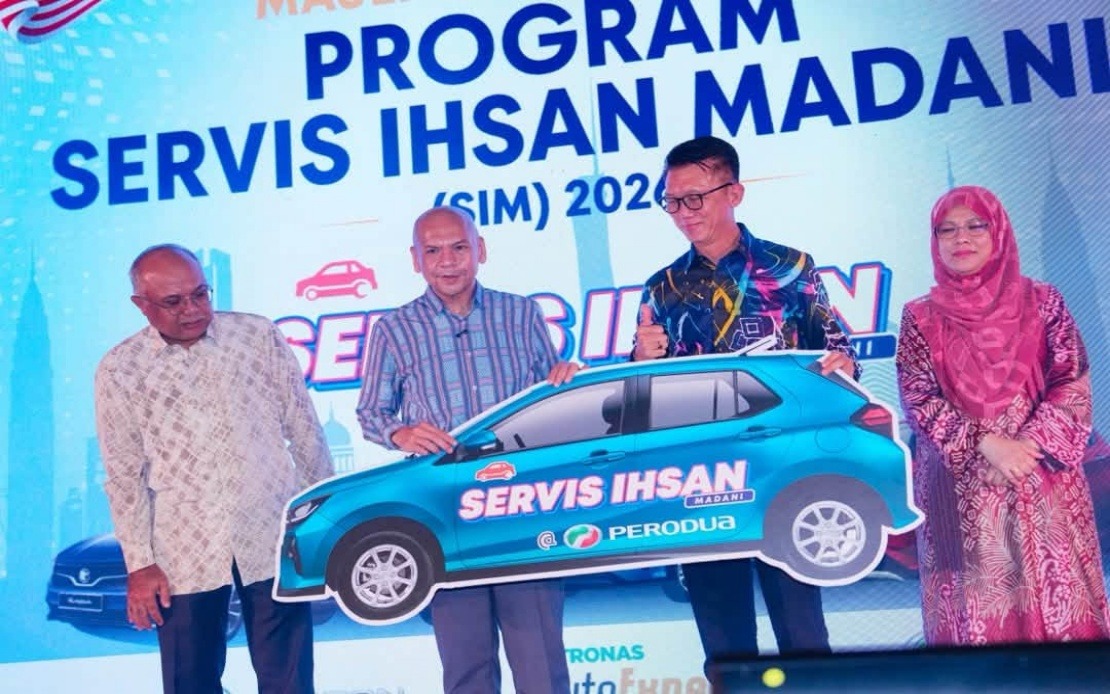
The Malaysian government has broadened its vehicle maintenance assistance programme to encompass major local automotive brands, bringing cost-relief measures directly to car owners across the country. The expansion, announced by the Ministry of Domestic Trade and Cost of Living (KPDN) through Minister Datuk Armizan Mohd Ali, integrates Perodua, Proton, and PETRONAS AutoExpert into what was previously a more limited initiative, demonstrating the administration's commitment to reducing household expenses during economically uncertain times.
Under the expanded scheme, vehicle owners can claim a RM70 subsidy toward maintenance services, making routine upkeep more affordable for millions of Malaysian motorists. This incentive applies across an extensive network of participating facilities, addressing a genuine pain point for families already managing tight budgets. The programme's scale is considerable: 221 Perodua service centres, 186 Proton facilities, and 124 PETRONAS AutoExpert workshops have joined the initiative, creating a nationwide footprint that ensures accessibility for most drivers regardless of location.
The mechanics of accessing the subsidy have been streamlined for modern consumers. Interested vehicle owners can make their service bookings through the respective company applications—Perodua's dedicated platform, Proton's service booking system, and PETRONAS AutoExpert's digital channels—eliminating the need for complex paperwork or in-person registration. This digital-first approach reflects contemporary expectations for government services and demonstrates how ministries can leverage technology to improve citizen engagement.
The initiative fits squarely within the broader Payung RAHMAH MADANI umbrella, the government's overarching cost-of-living assistance programme that targets tangible relief across multiple sectors. KPDN has positioned this expansion as part of its strategy to deliver the "Malaysia MADANI: Kesejahteraan Dinikmati" vision—translating national aspirations into concrete benefits reaching ordinary households. By partnering with leading automotive service providers, the ministry has effectively extended its reach without creating new bureaucratic structures.
Beyond immediate financial relief, the subsidy scheme carries secondary benefits that extend into public safety and environmental considerations. By incentivizing regular vehicle maintenance, the government hopes to encourage owners to keep their cars in optimal mechanical condition, reducing the incidence of breakdowns and accidents caused by deferred servicing. Well-maintained vehicles also produce fewer emissions, aligning with Malaysia's broader sustainability commitments, particularly as the country transitions toward more stringent environmental standards in the coming years.
The timing of this expansion, announced during the lead-up to National Month 2026 celebrations, reveals calculated messaging around national pride and inclusive governance. Rather than marking the occasion with purely ceremonial activities, KPDN has used the platform to highlight practical interventions that strengthen the social contract between government and citizens. This approach reinforces the narrative that the administration is attentive to everyday economic pressures facing working Malaysians.
The programme complements other parallel initiatives unveiled during the same announcement window. The National Month RAHMAH MADANI Sales Programme runs concurrently with additional efforts like the Batik Hues Exploration Competition and the Patriotic Challenge: I Love Malaysia, creating a multi-faceted public engagement strategy that combines consumer benefits with cultural celebration. This bundled approach has become characteristic of how the government constructs its recent policy messaging.
A particularly significant accompanying measure is the Jualan Ihsan RAHMAH 9.9 online sale scheduled for September 9, conducted through TikTok Shop Malaysia. This e-commerce collaboration promises discounts ranging from 10 to 30 per cent on essential goods, extending the cost-of-living relief agenda into the retail sphere. Prime Minister Datuk Seri Anwar Ibrahim had previously announced this initiative, underlining its importance within the government's wider economic portfolio. The involvement of private-sector platforms demonstrates how authorities are leveraging existing digital infrastructure rather than building isolated government systems.
For Malaysian consumers, the practical implications are straightforward. A typical car owner with annual maintenance requirements equivalent to two or three service visits could save RM140 to RM210 annually through the subsidy, modest but meaningful savings within household budgets already stretched by inflation in fuel, electricity, and food costs. For households maintaining multiple vehicles—common in middle-class Malaysian families—the aggregate savings become more significant.
The automotive dimension deserves particular attention given Malaysia's car ownership patterns and the importance of the domestic auto industry. Perodua and Proton, despite their competitive rivalry, have been drawn together under this umbrella, suggesting that KPDN views vehicle maintenance support as sufficiently important to transcend brand preferences. This unified approach reinforces consumer confidence that service quality and subsidy access will be standardized, reducing anxiety about whether one brand's network is advantageously positioned over another.
From a sectoral perspective, the initiative provides indirect support to service technicians and workshop staff, stabilizing employment in a sector that has faced disruption from changing consumer behaviours and economic downturns. Regular maintenance booking appointments, bolstered by the subsidy, improve revenue predictability for service centres, potentially supporting wage stability across the industry.
Looking forward, this programme's success will likely influence how other government agencies approach cost-of-living interventions. If uptake reaches expected levels, the model—partnering with established private-sector operators rather than creating government-run alternatives—could be replicated across other consumer-facing services. For Malaysian readers navigating persistent economic pressures, such practical subsidies represent tangible government presence in routine household spending.
The expansion underscores an important shift in how Malaysia's administration articulates public support. Rather than broad macroeconomic stimulus, targeted programmes addressing specific, quantifiable expenses in citizens' lives offer measurable, transparent benefit delivery that connects policy directly to lived experience.

