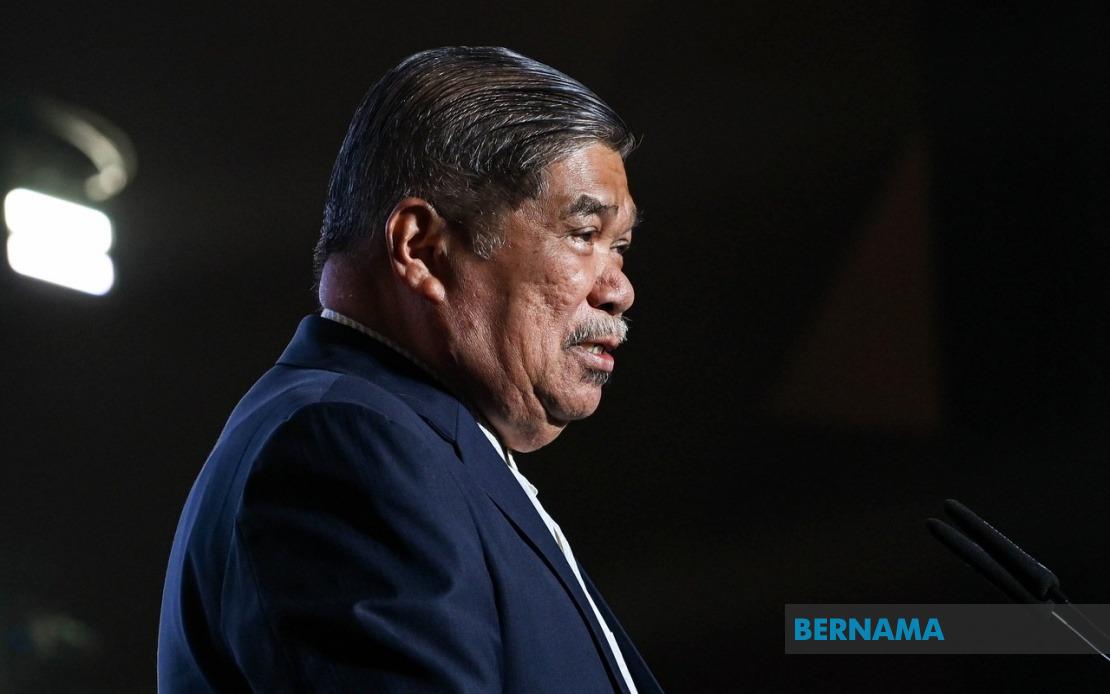
The Malaysian government is poised to reveal the outcome of ongoing trade discussions with Thailand before July concludes, representing a potentially significant breakthrough in bilateral agricultural commerce. Agriculture and Food Security Minister Datuk Seri Mohamad Sabu disclosed this timeline while addressing delegates at the Global Animal Production and Veterinary Industry Summit in Putrajaya, signalling that negotiations have reached their concluding phase following a recent visit by Thai agricultural officials to Malaysia.
The negotiations centre on several longstanding trade irritants that have complicated the relationship between the two neighbours. Chief among these is Thailand's prohibition on Malaysian shrimp imports, a restriction that has persisted since 2017 and represents a considerable commercial loss for Malaysian fisheries operators. The ban has effectively closed a key market for one of Malaysia's significant export commodities, compelling producers to seek alternative buyers and limiting their earning potential.
Beyond the shrimp impasse, the discussions encompass Malaysia's unresolved application to gain market access for livestock products into Thailand, an issue that has remained unresolved since 2024. This represents another substantial barrier to expanding bilateral agricultural trade and has prompted Malaysian policymakers to prioritise its resolution. Additionally, both nations are addressing Thailand's reciprocal import restrictions on shrimp sourced from Malaysia, which commenced on June 1, alongside stricter inspection protocols that Thailand has applied to Malaysian seabass shipments.
Minister Mohamad characterised the current negotiation stage as historic in its expedience, emphasising that the pace of progress marks the swiftest resolution timeline achieved on comparable disputes. This assertion underscores the political commitment both governments have invested in untangling these commercial barriers, suggesting that senior officials recognise the mutual benefits of normalising agricultural trade flows. The involvement of Thai Ministry of Agriculture representatives in direct consultations in Malaysia demonstrates the seriousness both sides are bringing to the dialogue.
For Malaysian agricultural and fisheries sectors, the implications are substantial. Malaysian shrimp exporters have endured nine years of market exclusion, during which they have accumulated inventory challenges and lost competitive positioning in Thailand's domestic market. A successful resolution would restore market access and provide immediate commercial relief to an industry that has adapted to operating without this traditionally important outlet. Similarly, livestock producers have faced uncertainty regarding their expansion prospects into Thailand, constraining investment decisions and long-term planning.
From a broader Southeast Asian perspective, the resolution of these trade frictions holds significance beyond bilateral commerce. Thailand and Malaysia represent two of the region's more substantial agricultural producers, and trade barriers between them can create ripple effects across supply chains and regional markets. Fisheries, in particular, interconnect multiple economies through processing, distribution, and consumption networks that span the Mekong and Strait of Malacca regions.
The negotiations also reflect the complex nature of modern trade disputes, where agricultural products become entangled with regulatory frameworks, inspection standards, and food safety considerations rather than simple tariff barriers. Thailand's stricter inspection protocols for Malaysian seabass suggest that technical and sanitary measures have become the primary negotiating terrain, requiring both countries to align their quality assurance procedures and certification systems.
Minister Mohamad's emphasis on mutual benefit indicates that the expected announcement will likely reflect a balanced settlement rather than unilateral concessions. Thai negotiators presumably seek reassurance regarding the safety and quality of Malaysian imports, whilst Malaysian officials push for market access restoration. An agreement would presumably establish new inspection arrangements or enhanced certification procedures that satisfy Thai regulatory concerns whilst permitting Malaysian exports to resume.
The timing of an announcement before month-end carries political significance domestically. Both Malaysia's government and its agricultural stakeholders have prioritised this issue, and delivering tangible results demonstrates governmental responsiveness to sector concerns. For Thailand, resolving the matter reflects a pragmatic approach to regional commerce and an acknowledgement that indefinite restrictions impose costs on both nations.
The Global Animal Production and Veterinary Industry Summit itself, which brought together 108 presenters including 51 international specialists from China, Australia, the United Kingdom, Indonesia, and Vietnam, provides institutional context for these negotiations. Such regional forums facilitate the kind of technical and policy dialogue that underpins successful trade resolution, allowing officials and industry representatives to build consensus around common standards and procedures.
Looking forward, a successful conclusion to these negotiations could establish a template for resolving other bilateral agricultural trade disputes across Southeast Asia. The region remains characterised by numerous non-tariff barriers that fragment markets and impose efficiency costs. Malaysia and Thailand's demonstrated capacity to work through such complications constructively may encourage other regional pairs to similarly prioritise trade facilitation.
The expected announcement will deserve close scrutiny regarding specific terms, implementation timelines, and any reciprocal commitments Malaysia may have undertaken. Market observers will examine whether the resolution constitutes a full reinstatement of pre-2017 trade volumes or a phased reopening with modified protocols. The success of any agreement ultimately depends on whether Thai inspection procedures prove operationally feasible for Malaysian exporters and whether market confidence can be rebuilt after years of exclusion.

