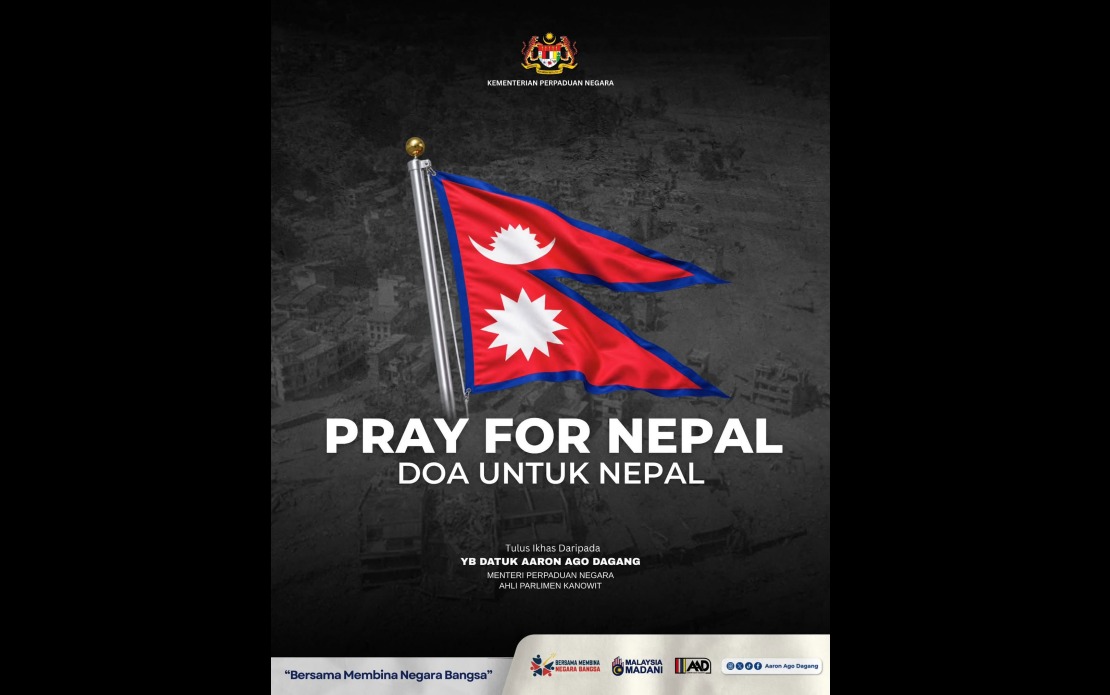
Malaysia's government has rallied behind Nepal following a catastrophic flooding event that devastated the Rasuwa district, with senior officials pledging support and assistance for affected communities. Datuk Aaron Ago Dagang, Minister of National Unity, took to social media on Wednesday to convey Malaysia's sympathy, urging fellow Malaysians to join in prayers for the safety and recovery of those impacted by the natural disaster that struck the South Asian nation.
The minister's expression of concern reflects the broader governmental response triggered by the emergency. Prime Minister Datuk Seri Anwar Ibrahim swiftly mobilised relevant authorities on Tuesday, directing the National Security Council and Ministry of Foreign Affairs to activate search and identification protocols for Malaysian citizens caught in the affected region. This rapid governmental reaction underscores the seriousness with which Malaysia treats the welfare of its nationals abroad during humanitarian crises.
A significant concern for Malaysian officials remains the status of nationals in the disaster zone. As of late Tuesday evening, the Foreign Ministry had identified 57 Malaysians with whom contact had not been established following the flooding. The communications blackout, typical in areas devastated by natural disasters, stems from infrastructure damage and network disruptions that plague the affected regions. These figures were compiled from reports submitted by family members, acquaintances, and employers who could not reach their connections in Nepal.
The scale of the flooding represents a major environmental catastrophe for Nepal, a nation frequently susceptible to monsoon-related disasters and geological hazards given its mountainous terrain and exposure to extreme weather patterns. The Rasuwa district, located north of Kathmandu in the Langtang region, is particularly vulnerable to flash flooding during heavy rainfall periods. Nepal's topography, while economically important for tourism and agriculture, creates conditions where water runoff from elevated areas can rapidly inundate lower settlements.
For Malaysia, the situation highlights ongoing vulnerabilities faced by citizens working, studying, or travelling abroad during natural disasters. The inability to establish contact with dozens of Malaysians underscores the practical challenges humanitarian coordination faces across international borders, particularly when communication infrastructure suffers extensive damage. Government agencies must balance rapid response with accurate information gathering, a task complicated by the chaos typical in disaster zones during the critical hours immediately following catastrophic events.
Datuk Aaron Ago Dagang's public messaging served a dual purpose beyond expressions of sympathy. By appealing to Malaysian citizens to pray and extend solidarity, the minister sought to mobilise national consciousness and reinforce Malaysia's commitment to assisting regional neighbours during emergencies. This diplomatic approach, emphasising prayer and mutual support, reflects Malaysia's broader positioning as a responsible member of the South Asian region with shared interests in disaster preparedness and humanitarian cooperation.
The minister's specific mention of prayers for the successful execution of relief and recovery operations reveals understanding that post-disaster reconstruction requires sustained international coordination and resources. Nepal, as a developing nation, frequently depends on technical expertise and financial assistance from wealthier neighbours and international organizations to restore infrastructure, reestablish services, and support long-term recovery. Malaysia's willingness to participate in these frameworks strengthens regional solidarity and creates pathways for future cooperation on disaster management.
Governmental coordination mechanisms activated in response to the Nepal floods demonstrate Malaysia's institutional capacity for crisis response. When Prime Minister Anwar Ibrahim directed multiple agencies to work in concert, he triggered established protocols for overseas emergency situations. The National Security Council's involvement ensures national security dimensions receive attention, while the Foreign Affairs Ministry handles diplomatic channels and consular support for affected citizens. This compartmentalised but coordinated approach reflects lessons learned from previous international incidents affecting Malaysian nationals.
The situation also highlights the persistent gap between rapid-onset disaster response and medium-to-long-term recovery assistance. While immediate search and rescue operations capture public attention and governmental focus, the rebuilding phase—addressing water contamination, housing damage, agricultural losses, and psychological trauma—extends far beyond initial headlines. Malaysia's expression of commitment to smooth recovery efforts suggests awareness that solidarity must translate into tangible support beyond the critical first days following disaster.
For Malaysian families with relatives or connections in Nepal, the period of uncertainty surrounding the 57 uncontactable nationals represents significant emotional stress. The government's proactive engagement with the Ministry of Foreign Affairs aims to reduce this uncertainty by systematically identifying Malaysians and reestablishing communication channels. This process, though sometimes protracted in disaster contexts, ultimately provides families with closure and enables appropriate assistance to reach those genuinely affected.
The Nepal flooding incident serves as reminder of how natural disasters transcend borders and create shared humanitarian responsibilities among nations. Malaysia's response—combining official government coordination with ministerial engagement and public messaging—reflects sophisticated understanding that regional crises require multifaceted approaches balancing immediate relief, citizen protection, and diplomatic relationships. As rescue and recovery operations continue in Nepal, sustained Malaysian engagement through various governmental and potentially non-governmental channels will remain essential for supporting affected communities and ensuring Malaysian citizens receive appropriate care and support.

