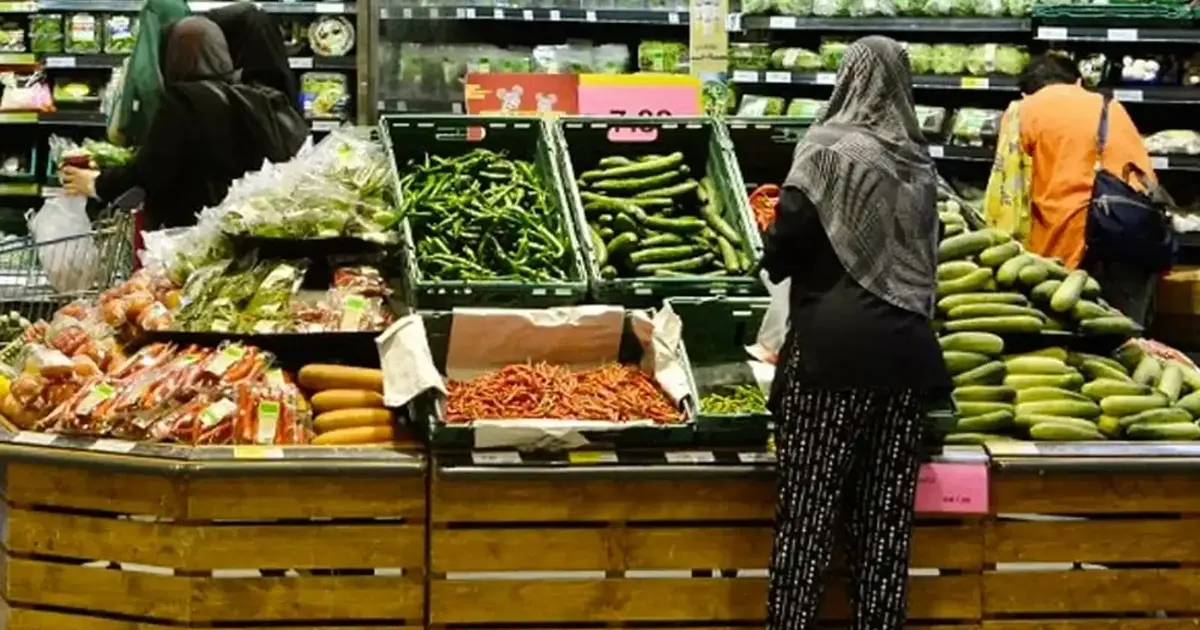
Malaysia's government is moving towards a potentially significant expansion of its subsidy framework, with Deputy Prime Minister Ahmad Zahid Hamidi signalling that the SARA assistance scheme could be widened to encompass fresh vegetables and fruits alongside its existing coverage. The proposal represents a deliberate effort to address mounting household expenses across the nation, particularly among lower-income families who spend a substantial portion of their earnings on basic nutrition.
The extension would be formally tabled before the National Action Council on Cost of Living, the cabinet-level body responsible for coordinating policies aimed at easing financial pressures on Malaysian consumers. This institutional process indicates the government's intention to evaluate the proposal thoroughly before implementation, ensuring that any expansion aligns with broader cost-of-living mitigation strategies and fiscal considerations. The council's involvement underscores the political weight attached to the initiative, suggesting that policymakers view agricultural product pricing as a priority area warranting intervention.
Current SARA aid typically focuses on essential staples such as cooking oil, flour, sugar, and rice—items considered fundamental to household nutrition and meal preparation. By potentially adding fresh produce to this safety net, the government would be acknowledging the rising burden that vegetable and fruit consumption imposes on ordinary families. Fresh produce prices in Malaysia have experienced notable volatility, influenced by seasonal fluctuations, supply chain disruptions, import dependency, and climatic factors. Extending subsidies would help stabilise retail prices and ensure that nutritious options remain accessible to price-sensitive shoppers.
The timing of this proposal reflects ongoing economic pressures facing Malaysian households. Since 2022, inflation has affected multiple sectors of the economy, with food categories experiencing particularly steep increases. While some price pressures have moderated recently, consumers continue to feel the cumulative effects of earlier inflation waves, and sentiment regarding the cost of living remains fragile. By proactively expanding subsidy coverage, the government appears intent on demonstrating responsiveness to citizen concerns before the next general election cycle, whenever that occurs.
Expanding SARA to include vegetables and fruits would carry both practical and fiscal implications. On the practical side, the government would need to establish new mechanisms for identifying eligible producers or retailers, determining which specific items qualify for subsidisation, and preventing leakage through informal channels. The agricultural sector's fragmented nature—with smallholder farmers, middlemen, and retailers all participating in the supply chain—complicates direct subsidy administration compared to supporting major commodity processing companies. Officials would need to carefully design the scheme to avoid distorting farm-gate prices or disadvantaging domestic producers.
From a fiscal perspective, expanding SARA would increase government expenditure at a time when Malaysia has been attempting to consolidate its budget position and reduce the deficit. The Ministry of Finance would need to assess whether the additional cost fits within existing allocations or whether other spending programmes must be curtailed. The sustainability question looms large: can such subsidies be maintained during economic downturns, or would they need to be scaled back, creating uncertainty for consumers and retailers who adjust purchasing patterns based on subsidy availability?
Regional comparisons suggest that vegetable and fruit subsidy schemes operate with varying degrees of success elsewhere. Some Southeast Asian neighbours have experimented with targeted voucher systems or direct support to smallholder farmers rather than consumer-facing price controls. Malaysia might explore similar innovations to achieve cost-of-living goals while preserving market incentives and agricultural productivity. The proposed expansion could potentially incorporate lessons from international experience, though local political economy considerations may constrain the range of options deemed politically feasible.
The agricultural sector's response to this proposal will merit close attention. Local farmers, particularly those producing vegetables and fruits for domestic consumption, may welcome subsidy support if it stabilises their incomes and ensures consistent demand. However, if subsidies artificially depress farm-gate prices below production costs, farmers could face margin pressure, potentially discouraging production and exacerbating supply shortages. Conversely, retailers and distributors may lobby for clearer regulations to understand how subsidies will be administered and whether their profit margins will be affected.
For Malaysian consumers, particularly lower and middle-income households, the practical impact would depend on implementation details. If subsidies successfully lower retail prices for fresh produce, nutritional outcomes could improve, as families might afford greater quantities of vegetables and fruits. This would align with public health objectives, as inadequate fresh produce consumption contributes to non-communicable disease burdens across the region. However, if subsidies are narrowly targeted or face administrative delays, benefits may not reach all intended beneficiaries equitably.
The proposal also reflects broader policy debates within Southeast Asia regarding the appropriate role of government in managing food security and affordability. While some nations emphasise supply-side measures such as agricultural productivity improvements and market development, others lean towards demand-side support through direct transfers or subsidies. Malaysia's consideration of subsidy expansion suggests the government believes immediate consumer relief takes precedence, though this approach carries longer-term questions about fiscal sustainability and market efficiency.
An expanded SARA programme would join other recent government initiatives aimed at cost-of-living relief, including cash transfers to targeted demographics and fuel subsidies. Collectively, these programmes represent a significant fiscal commitment, and their cumulative impact on government finances and inflation dynamics will require ongoing monitoring. The National Action Council's review will likely weigh these interconnections before rendering a decision.
The decision timeline remains unclear, though the explicit mention of formal council consideration suggests a matter of weeks or months rather than years. As policymakers evaluate whether to proceed, stakeholder feedback from farmers, retailers, consumer advocacy groups, and state governments will inform the deliberation. The outcome will signal the government's appetite for expanding direct market interventions versus pursuing alternative approaches to managing cost-of-living pressures, with implications extending beyond agriculture to broader economic policy philosophy.

