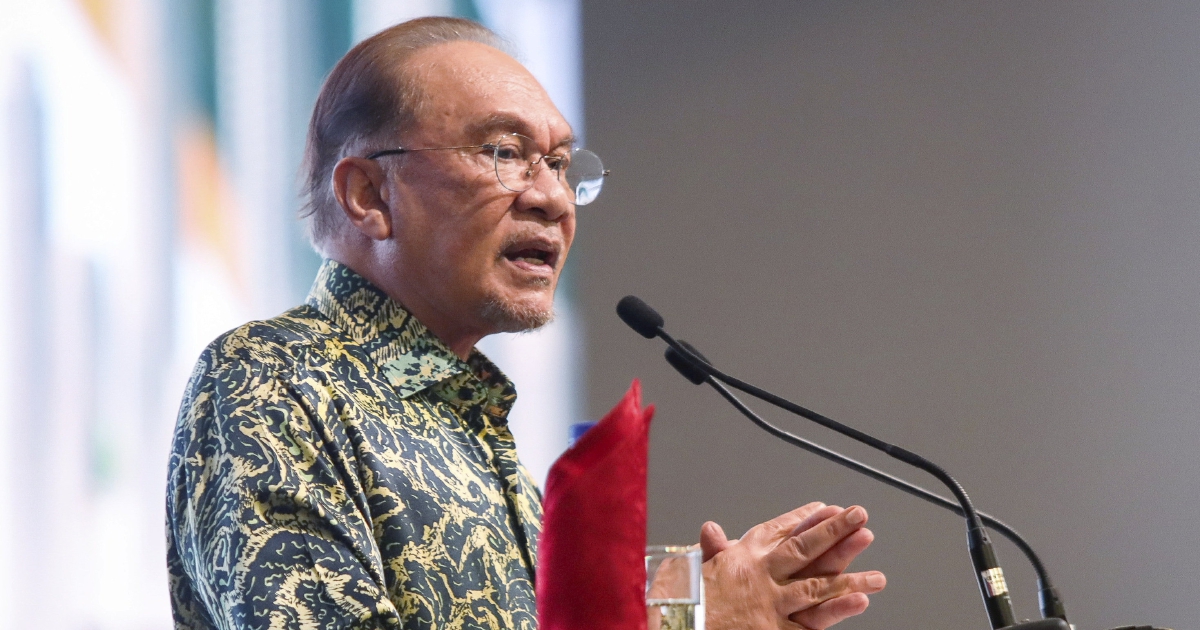
Prime Minister Datuk Seri Anwar Ibrahim has disclosed that Malaysia will need to invest approximately RM16 million to restore Sepang International Circuit to championship-ready status for the anticipated return of Formula One racing. The announcement, made at a public event in Tampin, suggests the government views the preparation costs as relatively modest relative to the strategic and economic benefits of hosting the sport's elite competition once again.
The figure represents a notably restrained budget for such a high-profile international motorsport event, raising important questions about what specific infrastructure work and upgrades are required at the venue. Since Formula One last raced at Sepang in 2017, circuit maintenance and potential modernisation of facilities have become necessary considerations. The Malaysian Grand Prix was a fixture on the F1 calendar from 1999 to 2017, establishing itself as a flagship racing event in Southeast Asia and a significant draw for international spectators and sponsors.
Sepang's track has undergone various modifications and improvements over its operating years to maintain international racing standards. The proposed investment must cover essential safety upgrades, potential facility enhancements, and operational readiness to meet current Formula One technical specifications and regulatory requirements. Modern Grand Prix venues face increasingly stringent demands from the sport's governing body, the Fédération Internationale de l'Automobile, particularly regarding driver safety infrastructure, medical facilities, and entertainment provisions.
From a Malaysian economic perspective, the return of Formula One would extend far beyond the immediate financial outlay. The Malaysian Grand Prix historically generated substantial tourism revenue, attracting international visitors who spent money on accommodation, dining, and local entertainment during race weekend. The event also provided a global platform showcasing Malaysia's capabilities in hosting world-class sporting occasions, enhancing the country's reputation as a modern, forward-looking destination.
The timing of this announcement coincides with growing competitive pressure among Asian nations to secure or maintain prestigious motorsport events. Singapore's highly successful night race continues to attract considerable international attention, whilst Vietnam and other regional countries have also pursued Formula One opportunities. For Malaysia, reclaiming its position on the F1 calendar represents not merely sporting ambition but also economic strategy within the broader Asian motorsport landscape.
Anwar's public commitment to the preparation expenditure appears designed to signal government seriousness about the project whilst simultaneously demonstrating fiscal responsibility. The RM16 million figure, whilst substantial in absolute terms, represents a calculated investment relative to the anticipated economic spin-off and international prestige benefits. This framing may also address potential public concerns about government spending priorities by emphasising the relatively constrained nature of the investment needed.
The announcement raises several logistical considerations for Malaysian authorities. Beyond the initial preparation costs lies the question of annual operational expenses, security arrangements, accommodation and transport infrastructure for expected attendance numbers in the tens of thousands. Malaysia would need to coordinate with Formula One management and the FIA to align the country's readiness with the sport's demanding scheduling and technical requirements.
Sepang's geographic location near Kuala Lumpur provides inherent advantages compared to establishing a racing venue from scratch. The existing circuit infrastructure, despite requiring updates, represents an asset that significantly reduces the financial burden of re-entry. This proximity to Malaysia's largest urban centre and primary international airport facilitates international tourism and broadcaster access, key factors influencing Formula One decision-making regarding calendar additions and returns.
The announcement also reflects broader Malaysian initiatives to strengthen the nation's profile in sports and entertainment sectors. Beyond motorsport, the government has demonstrated interest in hosting major international sporting events as part of its Vision 2050 development framework. Successfully bringing Formula One back to Sepang would contribute to this larger strategic objective whilst generating media coverage and economic activity across multiple industries including hospitality, transport, and broadcasting.
Industry observers will scrutinise whether RM16 million proves sufficient once detailed assessments of facility requirements are completed. The estimate may represent a preliminary figure based on essential upgrades, with additional costs potentially emerging during the evaluation process. Previous major sporting events hosted by Malaysia have occasionally encountered budget revisions as planners identified unforeseen facility enhancements or regulatory requirements.
The government's willingness to commit these resources demonstrates confidence in Formula One's marketability and Malaysia's capacity to meet international standards. Re-establishing the Malaysian Grand Prix would position the nation competitively within the Asian motorsport ecosystem whilst generating substantial direct and indirect economic benefits. The RM16 million investment, positioned strategically by government leadership, frames the opportunity as both financially prudent and strategically valuable for Malaysia's continued development.

