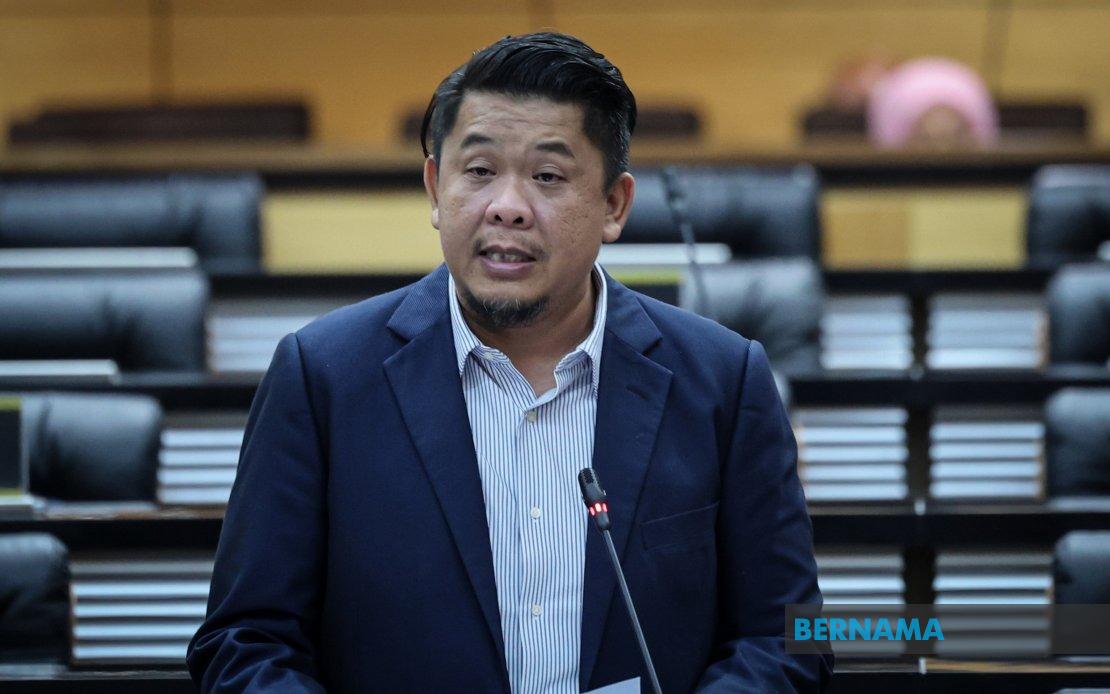
Malaysia has officially lodged its candidacy to return to the United Nations Security Council as a non-permanent member for the 2036–2037 term, marking a significant assertion of the country's commitment to multilateral governance and international security architecture. The formal submission, announced by Deputy Foreign Minister Datuk Lukanisman Awang Sauni, positions Malaysia among nations seeking to reshape how the global body operates and addresses transnational crises.
The decision reflects Malaysia's broader strategic interest in participating at the highest levels of international decision-making during a period of considerable geopolitical turbulence. A non-permanent seat on the UNSC would grant Malaysia voting power on matters ranging from peacekeeping operations to sanctions regimes, though without the blocking authority afforded to permanent members. This candidacy represents Malaysia's intention to influence global security debates at a moment when traditional power structures are facing increasing scrutiny and calls for fundamental reform.
Central to Malaysia's platform is a forceful critique of the veto mechanism currently held by China, France, Russia, the United Kingdom, and the United States. Deputy Minister Awang Sauni articulated that Malaysia considers the veto system fundamentally unjust and advocates for its complete abolition. The Malaysian government's position extends beyond theoretical opposition; officials have called for at minimum restricting veto usage in circumstances involving egregious violations of international law, including war crimes, genocide, crimes against humanity, and the deliberate targeting of civilian infrastructure. Recent developments in Gaza have clearly informed this stance, with the minister's remarks suggesting Malaysia views current UNSC dynamics as inadequate for addressing contemporary humanitarian emergencies.
The timing of Malaysia's candidacy announcement carries particular significance. Foreign Minister Datuk Seri Mohamad Hasan is scheduled to deliver Malaysia's National Statement during the 81st UN General Assembly Debate in New York this September, providing a prominent platform to articulate the nation's vision for institutional reform. This speech will serve as a crucial opportunity to build diplomatic support among fellow nations dissatisfied with current UNSC structures, potentially mobilising a coalition of developing and middle-power countries around Malaysia's reform agenda.
Malaysia's emphasis on veto abolition resonates with broader movements for UN modernisation championed by various countries and civil society organisations. The permanent members' ability to block Security Council action has repeatedly prevented collective responses to humanitarian crises and violations of international law, a reality that has intensified pressure for change. By positioning itself as a champion of reform, Malaysia aims to appeal to nations frustrated by Great Power paralysis and seeking a more representative, accountable international security framework.
The candidacy also reflects Malaysia's strategic positioning within Southeast Asia and the Global South more broadly. As a middle-power nation with considerable diplomatic influence, Malaysia can leverage its seat to amplify the voices of developing countries often marginalised in UNSC deliberations. The country's involvement in various regional and international peacekeeping missions provides practical credentials for candidacy, demonstrating commitment to collective security rather than narrow national interest. Malaysia's track record as a bridge-builder between Western and non-Western constituencies makes it a credible advocate for institutional reform that respects sovereignty whilst strengthening global governance.
The submission of Malaysia's candidacy initiates a two-year diplomatic campaign culminating in elections conducted by the UN General Assembly in October 2036. During this period, Malaysia will engage extensively with voting nations to build support for its bid. Such campaigns typically involve bilateral meetings with key stakeholders, securing endorsements from regional and ideological blocs, and presenting a compelling vision for how a candidate nation would utilise its seat. Malaysia's existing networks within ASEAN, the Non-Aligned Movement, and the Organisation of Islamic Cooperation provide substantial foundations for this diplomatic outreach.
Malaysia's previous service on the UNSC offers valuable experience and institutional memory. The country last served as a non-permanent member for the 1989–1990 term, providing institutional knowledge of UNSC procedures, negotiation dynamics, and the practical realities of Security Council membership. This history enhances Malaysia's credibility as a candidate capable of navigating complex international negotiations whilst advocating meaningfully for reform.
The broader context of UNSC reform discourse has evolved considerably since Malaysia's previous membership. Numerous proposals for restructuring exist, ranging from expanding permanent membership to limiting veto usage in specific circumstances. Malaysia's selective approach—stopping short of advocating complete institutional overhaul whilst targeting veto abolition—represents a pragmatic positioning that acknowledges permanent members' resistance to radical change whilst maintaining principled opposition to the status quo.
For Southeast Asian regional dynamics, Malaysia's UNSC candidacy carries implications for how the region's interests are represented in global security matters. Territorial disputes, maritime security, counterterrorism cooperation, and humanitarian crises affecting the region could benefit from advocacy by a Southeast Asian member positioned within the Council's deliberations. Malaysia's seat would provide a platform to elevate regional concerns to the highest echelons of international diplomacy.
The Malaysian government's framing of this candidacy around principled institutional reform rather than narrow national advantage reflects considered diplomacy. By emphasising justice, equity, and effectiveness in global governance, Malaysia positions itself as a responsible international actor motivated by collective rather than sectional interests. This approach strengthens its diplomatic appeal and distinguishes its campaign from countries whose candidacies might be perceived as advancing primarily national agendas.
Looking forward, Malaysia's campaign will test the receptiveness of the international community to serious UNSC reform. The outcome of the 2036 election will provide valuable indicators regarding whether sufficient political will exists for meaningful institutional change, or whether the permanent members' structural interests remain too entrenched for reform. Regardless of electoral success, Malaysia's candidacy and advocacy will contribute to global conversations about reforming multilateralism in an era when traditional institutions face unprecedented legitimacy challenges.

