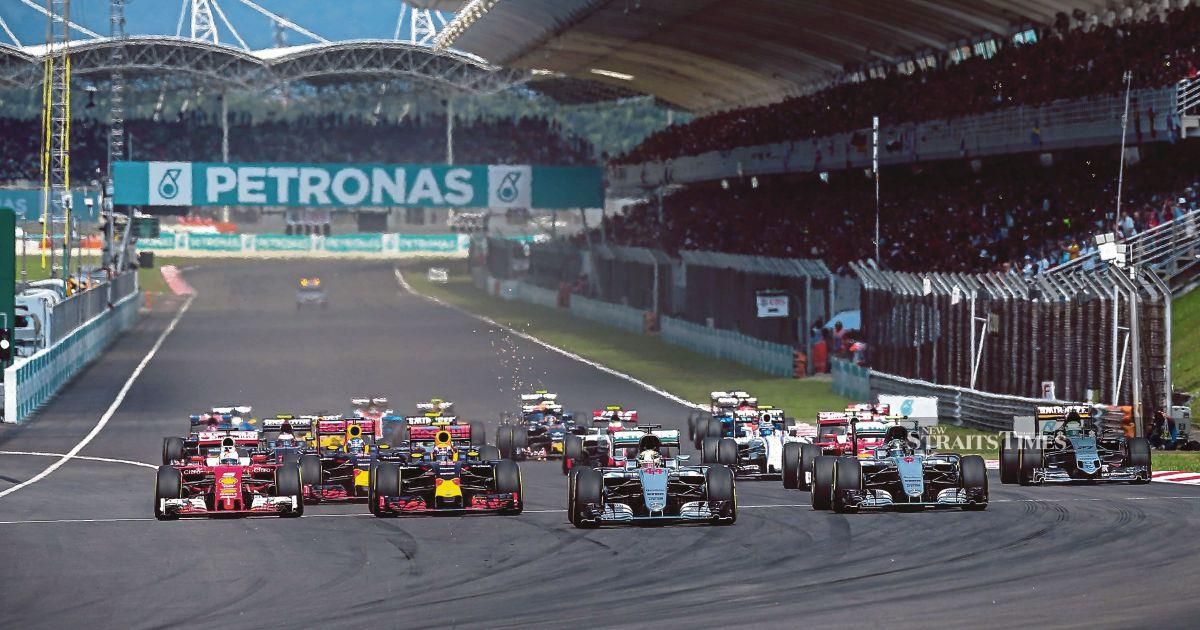
Malaysia's motorsport calendar is set for an injection of global prestige and local excitement as Formula 1 prepares to return to the Sepang International Circuit in October, with Prime Minister Datuk Seri Anwar Ibrahim announcing a targeted affordability scheme designed to democratise access to one of motorsport's most coveted events. The initiative represents a deliberate policy push to extend beyond the traditional affluent demographic that typically fills grandstand seats at international racing events, reflecting broader governmental objectives around inclusive economic participation and community engagement with major national events.
The centrepiece of this accessibility drive is the introduction of special Madani tickets priced from RM200, a figure significantly below standard circuit pricing that typically ranges considerably higher for premium seating positions and optimal viewing angles. This pricing point effectively positions the Malaysian Grand Prix as an attainable experience for working families and younger enthusiasts who might otherwise be priced out of attending such high-profile international sporting spectacles. The intentional use of the "Madani" branding aligns the motor racing initiative with the administration's broader economic philosophy emphasising shared prosperity and equitable access to national experiences.
From a practical standpoint, the RM200 entry point likely corresponds to specific viewing areas within the sprawling 310-hectare Sepang facility, probably grandstand sections positioned along key racing segments rather than premium hospitality zones or prime corner positions where wheel-to-wheel racing action is most intense. This tiered approach allows event organisers to balance volume objectives—maximising local attendance—with revenue protection for the overall event, ensuring that the special pricing does not entirely cannibilise higher-margin ticket categories that international visitors and corporate entities typically purchase at significantly elevated rates.
The timing of Malaysia's Grand Prix reinstatement carries symbolic weight within Southeast Asia's sporting landscape. The region has experienced fluctuating enthusiasm for hosting Formula 1 events, with venues competing fiercely for calendar slots in an era when the championship increasingly prioritises venues in emerging markets alongside traditional strongholds in Europe and North America. Sepang's return demonstrates confidence that Malaysian enthusiasm remains robust enough to justify the substantial organisational and financial commitment required to stage a Formula 1 Grand Prix to international standards.
From a tourism and economic perspective, the Grand Prix generates substantial indirect benefits extending well beyond ticket sales. International teams, media personnel, and spectator visitors create demand across hospitality, transportation, and retail sectors, with preliminary estimates suggesting events of this magnitude inject tens of millions of ringgit into the local economy during event weeks. The accessible pricing initiative potentially amplifies these benefits by encouraging domestic tourism from provincial regions, distributing spending across a wider geographic and demographic spectrum than events primarily targeting international visitor bases.
The Sepang International Circuit itself has undergone significant facility enhancements during periods between major racing events, incorporating modern safety standards and spectator comfort upgrades that meet contemporary Formula 1 requirements. These infrastructure investments position the venue competitively against other established racing circuits seeking calendar prominence, whilst demonstrating Malaysia's commitment to maintaining world-class sporting infrastructure within the region.
For Malaysian motorsport enthusiasts, this represents a tangible opportunity to witness drivers of extraordinary calibre competing in machinery representing the absolute pinnacle of automotive engineering and aerodynamic design. The opportunity to observe Formula 1 racing firsthand—the acceleration, braking precision, and tactical decision-making unfolding across the circuit's flowing 5.543-kilometre layout—offers educational and inspirational value that extends beyond passive entertainment, potentially catalysing interest in motorsport careers and engineering disciplines among younger audience members.
The affordability strategy also reflects recognition that sporting event attendance patterns have shifted considerably post-pandemic, with price sensitivity elevated across demographic segments as households recalibrate discretionary spending priorities. By positioning special tickets at accessible price points, organisers acknowledge this reality whilst simultaneously signalling confidence that demand exists at lower price thresholds, particularly among domestic audiences previously unable to justify expenditure on premium-priced international sporting events.
Governmental involvement in ticket subsidy or targeted pricing initiatives sits within international precedent, with various nations employing similar mechanisms to boost local engagement with mega-events and preserve national ownership of prestigious sporting platforms. The Madani ticket programme thus positions Malaysia within a strategic framework of nations leveraging sports diplomacy and inclusive sporting access as components of broader national development and social cohesion objectives.
Looking forward, the success of this October Grand Prix could establish precedent for future event planning, potentially influencing pricing strategies for other international sporting fixtures potentially hosted by Malaysian venues. Should the Madani tickets generate strong uptake and positive community response, the model could become replicable across different sporting and cultural events, establishing affordability as a standing principle within the national event management framework.
The confluence of Formula 1's return, affordability initiatives, and infrastructure readiness positions Sepang not merely as a racing venue but as a platform for Malaysian society to participate meaningfully in globally significant sporting moments, thereby strengthening the nation's sporting culture whilst generating tangible economic and cultural dividends. The October Grand Prix thus represents opportunity extending well beyond the circuit's boundaries.

