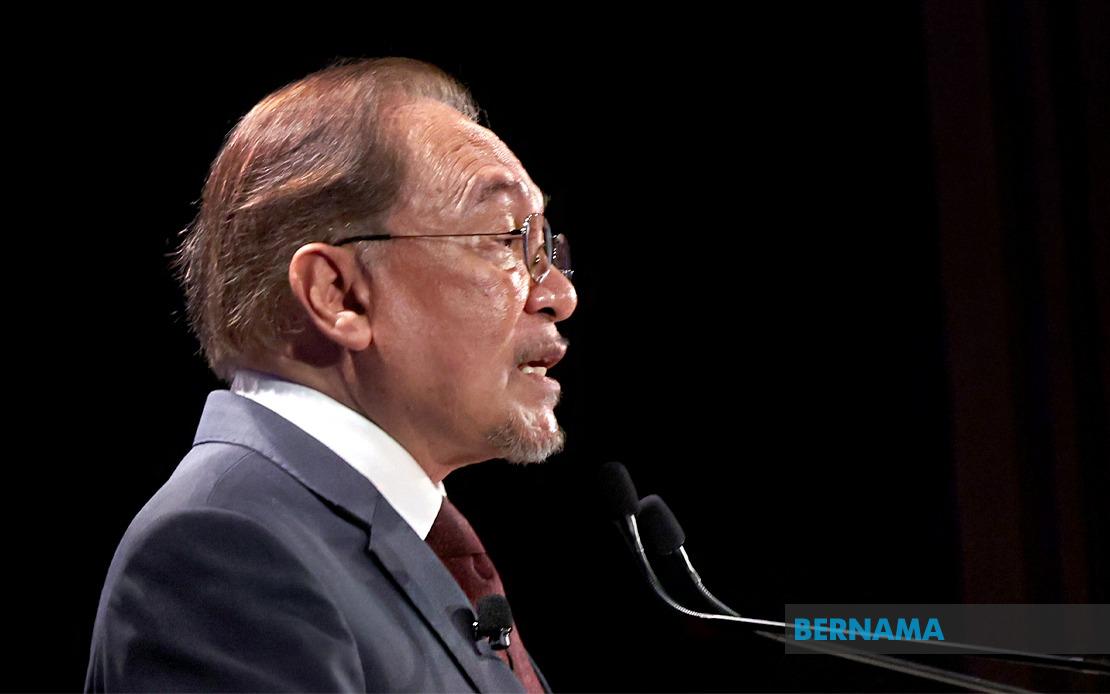
Malaysia has formally endorsed a reported understanding between the United States and Iran to de-escalate tensions that have gripped the region for an extended period. Prime Minister Datuk Seri Anwar Ibrahim issued the statement at the 39th Asia-Pacific Roundtable in Kuala Lumpur, simultaneously recognizing the instrumental contributions of Gulf nations, Türkiye, Pakistan and other regional actors who facilitated the diplomatic initiative.
The breakthrough follows intensive indirect negotiations concluded earlier in the week, with Qatar serving as an intermediary and reporting that both parties have achieved what officials characterized as meaningful progress. At the heart of discussions was the critical Strait of Hormuz, a chokepoint that historically manages roughly one-fifth of worldwide petroleum flows and whose security carries immense implications for global energy markets and economic stability.
Prime Minister Anwar tempered optimism with a sobering assessment of the fragile nature of the emerging arrangement. He cautioned that the peace framework remains vulnerable to disruption and sabotage, implying that careful stewardship and vigilant oversight will be essential in the coming weeks and months. This characterization reflects Malaysia's mature understanding of regional dynamics and the intricate web of competing interests that could destabilize any nascent accord.
Among the most pressing immediate requirements, Anwar identified strict compliance with all ceasefire conditions as fundamental to consolidating gains. Equally urgent, he stressed, is the restoration of unrestricted international passage through the Strait of Hormuz, which had been previously disrupted by the escalating hostilities. The reopening of this vital maritime corridor would signal genuine commitment to normalizing commercial relations and releasing pent-up supply chains that have been artificially constrained.
The Prime Minister drew attention to the tangible human costs stemming from the prolonged standoff. Globally, food and energy prices have remained inflated as nations scrambled to guarantee access to essential commodities, forcing governments to redirect substantial capital toward procurement rather than productive investment. This diversion of resources carries profound implications for development agendas and social programmes in countries already grappling with pressing economic challenges.
Anwar articulated with particular force the reality that elevated commodity prices are far more than abstract economic indicators. The inflation in food and energy costs translates directly into hardship for ordinary families, eroding purchasing power and constraining household budgets. For Malaysia and other Southeast Asian nations with significant proportions of lower-income populations, such price pressures can undermine economic gains and exacerbate inequalities unless carefully managed through policy intervention.
The broader context of Malaysia's welcoming statement reflects Kuala Lumpur's strategic positioning as a proponent of multilateral dialogue and peaceful resolution of international disputes. As a middle-power nation invested in regional stability and open trade, Malaysia benefits substantially from unobstructed shipping lanes and predictable energy supplies. The country's own economic resilience depends partly on the smooth functioning of global commerce, making the restoration of normalcy in this critical region directly relevant to Malaysian interests.
The Asia-Pacific Roundtable, organised by the Institute of Strategic and International Studies Malaysia, provides an annual venue for senior policymakers and strategic analysts to examine pressing geopolitical questions. Anwar's keynote remarks to this gathering signal Malaysia's commitment to constructive engagement with international crises and its willingness to endorse diplomatic solutions when viable.
For Southeast Asian nations more broadly, the US-Iran understanding carries significant implications. Regional economies remain sensitive to energy price fluctuations and supply disruptions, given their dependence on petroleum imports and their role as crucial hubs in global shipping networks. Any consolidation of peace in the Middle East would help stabilize commodity markets and reduce uncertainty affecting business planning and investment decisions across the region.
The involvement of Gulf countries, Türkiye and Pakistan in facilitating this understanding underscores the importance of including diverse regional stakeholders in conflict resolution efforts. Their roles suggest that solutions crafted with broad buy-in from affected nations tend to carry greater legitimacy and durability than arrangements imposed externally or negotiated among distant powers.
Moving forward, Malaysia's position as a respected voice in international relations places it in a position to contribute constructively to monitoring compliance and encouraging stakeholders to honour their commitments. The country's multicultural composition and long-standing diplomatic experience position it well to serve as a bridge between different perspectives and to advocate for solutions that benefit the broader international community.
The sustainability of this accord will ultimately depend on whether both parties treat the ceasefire terms with the seriousness they deserve and whether the reopening of the Strait of Hormuz proceeds smoothly. Any backsliding or renewed provocations could quickly unravel the fragile consensus that has emerged. Malaysia's statement effectively signals that the international community, including Southeast Asian nations, is watching developments carefully and expects all parties to demonstrate genuine commitment to peace.

