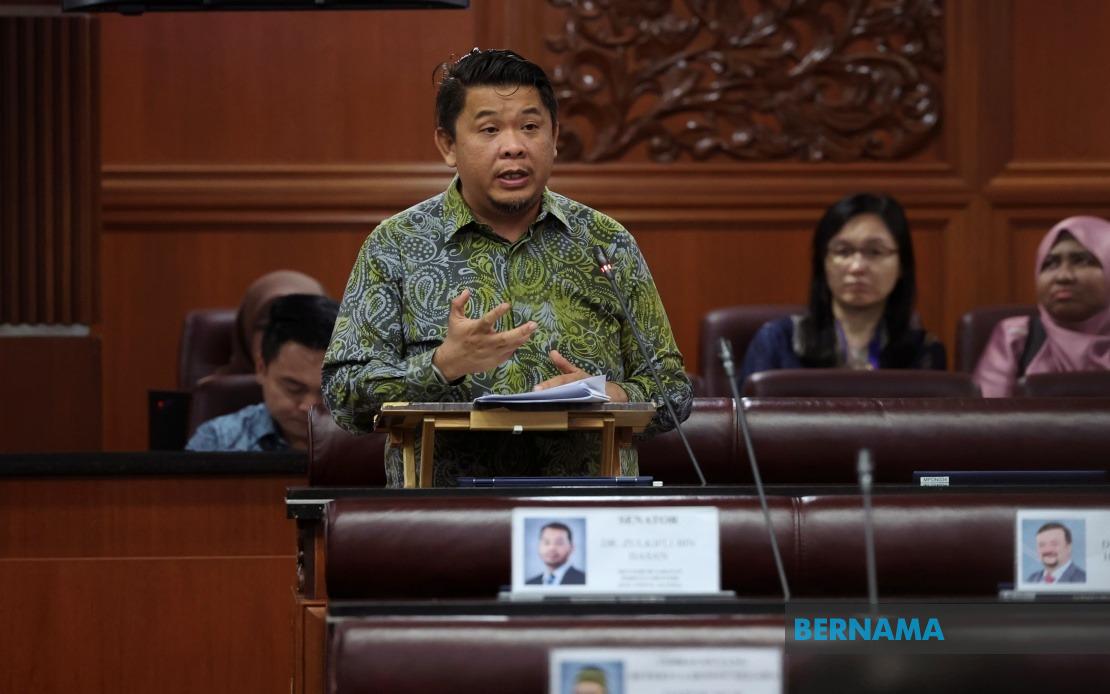
Malaysia has directed the United Nations High Commissioner for Refugees to suspend all new refugee registrations with immediate effect, pending the rollout of an overhauled management framework centred on a domestically-controlled Refugee Registration Document system. Deputy Foreign Minister Datuk Lukanisman Awang Sauni disclosed the Cabinet decision on July 23, emphasising that the pause will allow authorities to establish more systematic procedures for processing and monitoring refugee populations within Malaysian territory.
The suspension represents a significant shift in how Malaysia approaches refugee management, moving away from reliance on UNHCR records towards direct government oversight and data administration. Lukanisman explained that the new DPP programme will enable Malaysian authorities to consolidate refugee information under stricter institutional controls, eliminating dependency on foreign entities for record-keeping. This centralisation strategy aligns with broader government efforts to assert greater autonomy over immigration and national security matters affecting the country's demographic composition.
The decision carries particular significance given Malaysia's status as a non-signatory to the 1951 Refugee Convention. Unlike countries bound by international refugee treaties, Malaysia operates without formal legal obligations to provide asylum or maintain refugee protections. The government has consistently framed refugee management as an internal administrative matter rather than a humanitarian obligation, and this registration pause reinforces that position by establishing a distinctly Malaysian institutional framework for handling refugee cases.
Lukanisman pointed to the need for Malaysia to reduce the burden of accommodating large refugee populations, citing concerns about the strain on public resources and impacts on local communities. The country currently hosts substantial numbers of displaced persons from Myanmar and other regional sources, and government officials have repeatedly signalled that demographic pressures necessitate more restrictive policies. The registration halt effectively creates a de facto moratorium while authorities implement screening mechanisms designed to filter applicants more rigorously.
The restructured DPP programme will operate through multi-agency coordination involving various enforcement and security organisations. This collaborative approach aims to verify the eligibility of applicants through cross-checking with immigration, police, and other government databases before granting registration status. By establishing these gatekeeping procedures, Malaysia seeks to prevent undocumented individuals from gaining formal refugee recognition while simultaneously blocking fraudulent or irregular registrations that might obscure security risks.
The decision directly addresses challenges posed by Rohingya populations fleeing Myanmar, whose members often lack any form of identity documentation or citizenship recognition from their country of origin. Myanmar's military-led government does not acknowledge many Rohingya as citizens, leaving them in an ambiguous legal status internationally. Senator Hussin Ismail's parliamentary question specifically highlighted this vulnerability, prompting Lukanisman's response that the new system will handle such cases through transparent, structured processes rather than ad hoc arrangements.
Malaysia continues engaging with Myanmar and other ASEAN member states to develop multilateral responses to the regional refugee crisis. This diplomatic dimension reflects the government's preference for resolving displacement issues at the source rather than managing growing populations of asylum seekers within Malaysian borders. Simultaneous efforts to address root causes in Myanmar complement the domestic registration restructuring, suggesting a comprehensive strategy combining internal control with external engagement.
Parallel to the registration suspension, Malaysia is accelerating the repatriation of Myanmar nationals held in immigration detention facilities. Approximately 5,000 individuals currently held at detention depots are scheduled for return to Myanmar following that government's willingness to receive them. These transfers will utilise naval vessels for transportation, representing a logistically significant operation that underscores the scale of population movements Malaysia is managing. The repatriation programme demonstrates the government's determination to reduce detainee populations while Myanmar's political situation stabilises.
The timing of the registration freeze carries implications for vulnerable populations already in Malaysia while awaiting formal refugee status determination. Individuals in processing limbo during the restructuring period may face extended uncertainty about their legal standing and access to basic services. The government's stated intention to maintain orderly management must be balanced against humanitarian considerations for asylum seekers with legitimate protection needs. Human rights organisations have previously raised concerns about conditions in Malaysian detention facilities and the treatment of undocumented migrants, adding complexity to how authorities implement the new system.
Regional neighbours including Thailand, Indonesia, and Bangladesh, which collectively host millions of displaced Rohingya and other refugee populations, will likely monitor Malaysia's approach with interest. The Malaysian model of domestic registration control and reduced reliance on UNHCR frameworks may influence how other Southeast Asian states develop their own refugee policies. As regional displacement pressures intensify due to ongoing conflicts and climate-related migration, countries across ASEAN face similar pressures to restrict asylum access while managing international expectations for humanitarian response.
The suspension period's duration remains unspecified, creating uncertainty about when new registrations might resume. This open timeline potentially allows authorities maximum flexibility in implementing the DPP programme without external deadlines. Once the restructured system becomes operational, the government will face critical decisions about admission criteria, processing timelines, and integration support for registered refugees. How these parameters are set will substantially influence whether Malaysia's refugee policies become more restrictive or merely redirect management procedures without changing substantive outcomes.

