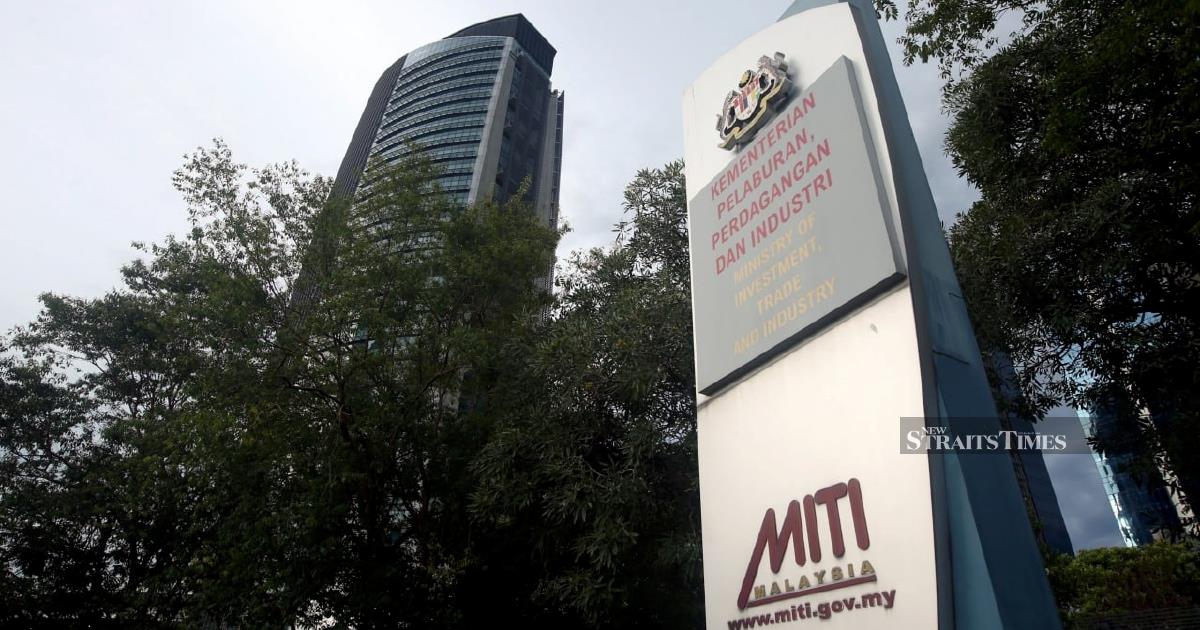
Malaysia's Ministry of International Trade and Industry has opened a fresh anti-dumping investigation into coated steel products sourced from China, Chinese Taipei, and Vietnam, marking another significant step in the nation's strategy to shield its domestic steel sector from what it perceives as unfairly priced foreign competition. Running parallel to this new probe, Malaysian authorities are simultaneously reviewing the continuing validity of existing tariffs levied on prepainted steel coil shipments originating from China and Vietnam, a process designed to determine whether protective measures remain justified given current market conditions.
The dual action reflects growing concern within Malaysia's industrial policy circles about the competitive pressures facing local steelmakers. Steel manufacturing constitutes a critical component of Malaysia's broader manufacturing base, supporting downstream industries ranging from automotive production to construction and heavy equipment fabrication. When foreign competitors resort to dumping—selling products at prices below fair value or production costs—domestic producers face margin compression that can threaten profitability and employment across entire supply chains. For a middle-income economy like Malaysia, where manufacturing competitiveness remains central to economic development strategy, such import monitoring has become routine.
The investigation into coated steel specifically targets an intermediate product category that serves multiple downstream industries throughout Southeast Asia. Coated steel varieties—including galvanized, painted, and otherwise surface-treated variants—command premium pricing relative to raw steel products, reflecting additional processing and quality control. This makes the coated segment particularly sensitive to dumping, as exporters seeking rapid market penetration or excess capacity relief often focus on value-added categories where margins appear cushioned. Malaysian manufacturers relying on domestic supplies face particular vulnerability when foreign competitors undercut through below-cost pricing strategies.
China's inclusion in this investigation unsurprises given Beijing's dominant position in global steel production. The world's leading steel manufacturer by volume, China operates numerous mills and has repeatedly faced accusations from multiple jurisdictions of maintaining excessive production capacity relative to domestic demand. This structural overcapacity has historically translated into aggressive export campaigns to clear inventory, often at prices that domestic producers in importing countries struggle to match. Chinese Taipei's inclusion reflects that region's historical role as a significant specialty steel processor, while Vietnam's participation highlights Southeast Asia's own emerging steelmaking footprint, which has expanded considerably over the past decade through both domestic investment and foreign direct investment.
The expiry review process targeted at prepainted steel coil from China and Vietnam operates under different legal parameters than the new anti-dumping probe. Governments typically impose anti-dumping duties for five-year periods, after which they must conduct formal reviews to establish whether circumstances warrant maintaining or modifying those protections. Malaysia's simultaneous pursuit of both processes—investigating new products while reassessing existing duties—suggests officials believe protection across the entire coated and prepainted spectrum may require strengthening or extending. These reviews demand rigorous economic analysis: regulators must balance domestic industry interests against broader consumer welfare and the desire to maintain cordial trade relationships with major partners.
For Malaysian stakeholders, the investigation timeline carries practical significance. Anti-dumping investigations typically require 12 to 18 months for completion, during which uncertainty about future tariff levels influences purchasing decisions, investment planning, and pricing strategies across the entire supply chain. Importers and foreign suppliers must prepare for potential duty assessments retroactive to investigation commencement, creating financial risk that shapes commercial behaviour. Domestic steelmakers, meanwhile, gain breathing room as customers defer foreign purchases pending investigation conclusions, though this temporary reprieve carries the risk that exporters may aggressively front-load shipments before potential duties take effect.
The investigation also reflects Malaysia's measured approach to trade protectionism within the rules-based international system. By pursuing formal anti-dumping probes rather than imposing arbitrary trade barriers, Malaysia signals adherence to World Trade Organization frameworks and maintains standing to challenge similar measures taken by other nations against Malaysian exports. This institutional formality matters considerably for a Southeast Asian nation deeply integrated into global supply chains and dependent on rules-based trade access. The government seeks to protect strategic industries while avoiding the kind of unilateral protectionism that could provoke retaliatory measures from major trading partners.
Regionally, Malaysia's action holds implications for other Southeast Asian producers and consumers of steel. The investigation outcome will likely influence price trajectories across the region's steel market. If Malaysia successfully imposes elevated duties, ASEAN competitors like Thailand, Indonesia, and the Philippines may face pressure to initiate their own investigations and protective measures. Conversely, elevated Malaysian duties may redirect export flows toward jurisdictions without protective barriers, potentially depressing global prices and creating competitive pressures on other national industries. The interconnected nature of Southeast Asian manufacturing economies means that one country's trade defence tools inevitably generate cross-border effects.
The timing also merits consideration within broader trade dynamics between Malaysia and its three investigated suppliers. China remains Malaysia's largest trading partner overall, while Vietnam has rapidly expanded its economic footprint throughout ASEAN. These investigations must navigate diplomatic sensitivities, as aggressive protectionism can strain bilateral relationships even when implemented through ostensibly neutral technical procedures. Malaysian officials must balance domestic industry advocacy against the imperative to maintain cooperative relationships essential for broader bilateral commerce spanning everything from electronics assembly to agriculture.
Domestic steelmakers have reportedly supported these investigations, suggesting sufficient evidence of dumping-related injury to justify official action. Their support carries particular weight given that Malaysian steel interests include both integrated mills producing from iron ore and specialty fabricators adding value through coating and other processing. The convergence of interests across this vertical chain indicates the investigation enjoys reasonable internal political backing, though any resulting duties will impose adjustment costs on downstream users—construction firms, appliance manufacturers, automotive suppliers—who must absorb higher material costs or reduce competitiveness internationally.
Looking ahead, these investigations represent Malaysia's continuing effort to maintain a viable domestic steel sector despite exposure to global commodity cycles and international competition. The outcomes will likely determine steelmaker investment decisions, employment levels in manufacturing regions, and the overall competitiveness of Malaysian industries dependent on affordable steel inputs. Both the anti-dumping investigation and the expiry review process will demand careful technical analysis, market consultation, and ultimately political judgment about how aggressively Malaysia should insulate its steel industry from global market forces.

