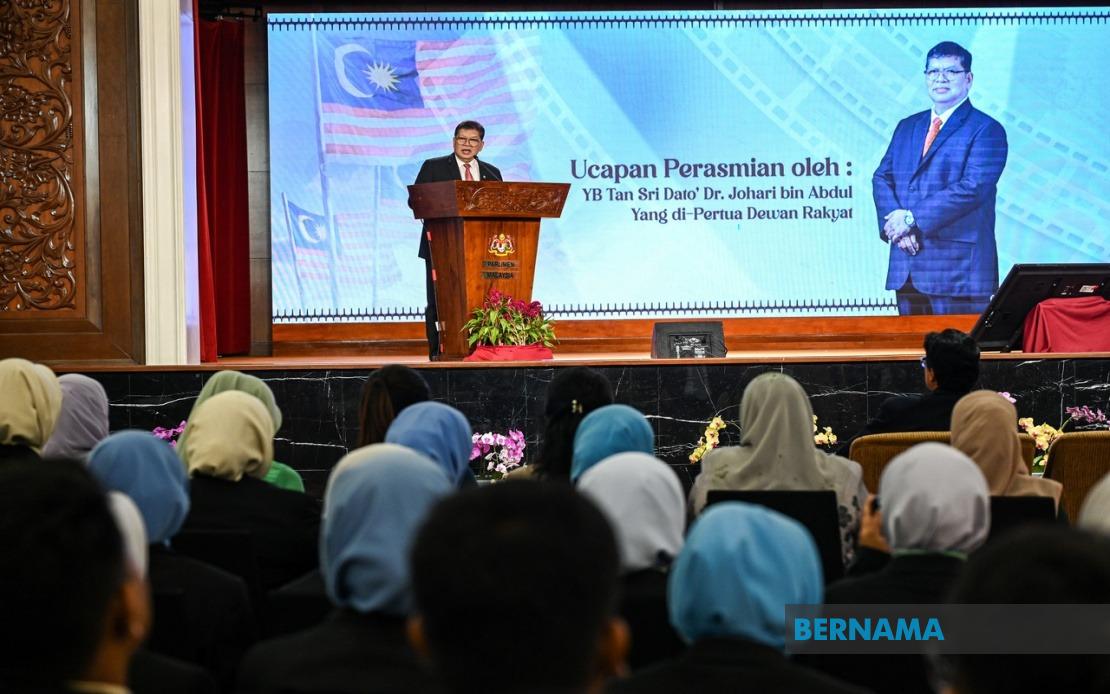
Malaysia's Parliament has launched a specially produced short film titled 'Arkitek Bangsa' as part of a broader push to cultivate leadership qualities and patriotic conviction among the nation's youth. The initiative reflects growing concerns among policymakers about ensuring younger generations understand their role in nation-building and develop the capacity to lead rather than simply follow established paths.
Parliament's upper house speaker Johari explained the conceptual foundation of the video during a press conference at the Parliament Building on July 16, emphasising that leadership capability is not an inherent trait but rather a skill that requires systematic development. He advocated for a cultural shift in how young Malaysians perceive their potential, encouraging them to view themselves as active architects responsible for shaping the nation's future rather than passive participants in its governance.
The messaging behind 'Arkitek Bangsa' addresses a perceived gap in civic engagement among Malaysian youth. Johari stressed that pride in national identity should motivate young people to aspire toward positions of influence and responsibility. This philosophical approach recognises that sustainable governance depends on a pipeline of capable, motivated leaders who understand both the historical context of the nation and the contemporary challenges it faces.
Parliament has positioned this video as one component of a multi-pronged strategy to enhance youth participation in democratic institutions. The Parliament School Programme, which has already facilitated visits from 1,057 schools, exposes students directly to legislative processes and democratic principles during their formative years. By combining these in-person educational experiences with media content like 'Arkitek Bangsa', Parliament aims to create reinforcing touchpoints that embed civic awareness across different learning environments.
Additionally, Parliament's engagement with the National Service Training Programme, overseen through a dedicated select committee, demonstrates coordination between parliamentary education initiatives and national defence and citizenship training. This integration ensures that youth leadership development occurs across multiple institutional channels rather than remaining siloed within parliamentary structures alone.
The Youth Parliament expansion represents another significant dimension of this youth empowerment strategy. By increasing membership from 100 to 222 participants and implementing a proportional representation electoral system, Parliament has fundamentally restructured youth political participation to become more inclusive and representative. This reform suggests recognition that meaningful youth engagement requires institutional design that reflects democratic principles rather than tokenistic or paternalistic approaches.
Johari's metaphor comparing national construction to building maintenance carries important implications for Malaysian political discourse. His observation that constructing institutions requires sustained effort while their destruction requires minimal time speaks to the fragility of democratic and social systems. This framing appears designed to instil in young Malaysians an understanding that their generation inherits significant institutional capital accumulated through decades of national development, alongside obligations to preserve and strengthen it.
The film's messaging also emphasises intergenerational responsibility. By encouraging young Malaysians to acknowledge and appreciate the sacrifices of earlier generations, 'Arkitek Bangsa' attempts to create a consciousness of historical continuity. This approach counters potential narratives of generational rupture or disconnection by positioning youth as inheritors of a collective national project rather than as a cohort separate from historical processes.
FINAS chief executive Datuk Azmir Saifuddin Mutalib's involvement in the project underscores the Malaysian government's recognition that film and visual media constitute powerful vehicles for value transmission. By partnering with the National Film Development Corporation, Parliament accessed professional production capabilities and distribution networks that can extend the video's reach beyond parliamentary confines into schools, community centres, and government agencies nationwide.
The strategy of deploying 'Arkitek Bangsa' through ministries and government agencies involved in nation-building reflects an understanding that institutional reinforcement amplifies messaging impact. When multiple government touchpoints promote consistent narratives about leadership and patriotism, the cumulative effect potentially influences youth worldviews more effectively than isolated interventions.
For Malaysian policymakers and educators, the 'Arkitek Bangsa' initiative illustrates a deliberate attempt to address concerns about declining civic engagement and political participation among younger demographics. The comprehensive approach combining video content, school visits, service programmes, and youth parliament structures suggests recognition that single-intervention approaches prove insufficient for reshaping generational attitudes toward leadership and national responsibility.
Regionally, Malaysia's structured approach to youth civic engagement through multiple institutional channels may offer insights for other Southeast Asian democracies grappling with similar challenges. The integration of parliamentary education, national service training, and youth political structures represents a systemic rather than piecemeal response to youth disengagement.
Ultimately, the success of 'Arkitek Bangsa' and its accompanying programmes will depend on sustained implementation and genuine opportunities for young people to exercise leadership within frameworks that reward merit and contribution. The stated commitment to expanding youth participation and reforming electoral systems within Youth Parliament suggests institutional willingness to move beyond rhetoric toward substantive structural change.

