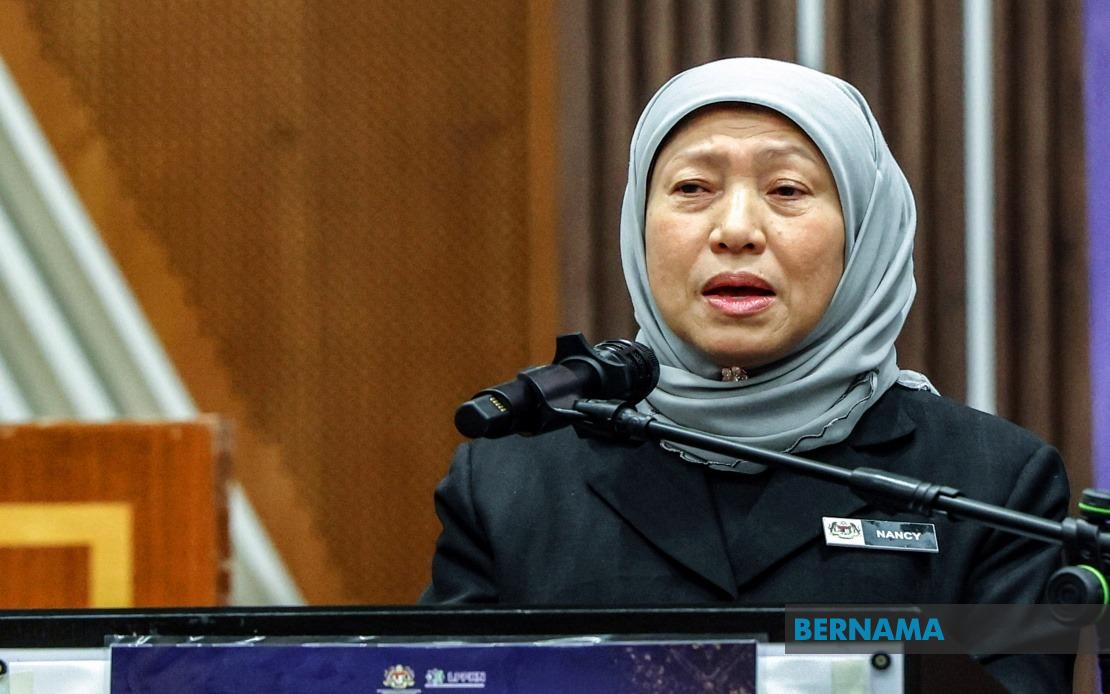
The Ministry of Women, Family and Community Development (KPWKM) is embarking on a landmark national research project this month to examine men's empowerment in Malaysia, addressing what the government views as an overlooked but critical dimension of national development. The 18-month study, undertaken through collaborative stakeholder consultation, reflects growing recognition that men face distinct social, economic and psychological challenges requiring targeted policy intervention and comprehensive support frameworks.
Minister Datuk Seri Nancy Shukri outlined the strategic scope of the initiative, emphasising that male empowerment extends far beyond traditional metrics of economic success or leadership positions. Instead, the government seeks to cultivate resilience, emotional maturity and psychological well-being among men whilst grounding this vision in principles of gender equality and mutual respect. This recalibration of what "gentlemanly" conduct means signals a significant shift in how policymakers conceptualise masculinity—moving away from dominance-based models towards collaborative partnership, particularly within family structures where shared responsibility and respect for women as equals become central virtues.
The urgency underlying this initiative becomes apparent when examining Malaysia's mental health landscape. Male suicide rates stand at nearly three times those of women, a disparity that underscores profound psychological distress within the male population. Additionally, the 2023 National Health and Morbidity Survey identified depression among 4.6 per cent of Malaysians aged 16 and above, suggesting widespread mental health challenges affecting quality of life and family relationships across the nation.
Economic pressures compound these psychological stressors, creating cascading effects on household stability and family dynamics. With household debt standing at 84.3 per cent of gross domestic product according to Bank Negara Malaysia, financial anxiety and economic insecurity weigh heavily on men who traditionally bear primary earning responsibilities. This financial burden interacts with relationship strain in destructive ways, contributing to family breakdown and perpetuating cycles of stress.
Family dissolution statistics provide sobering evidence of these pressures manifesting in concrete harm. Divorce cases increased 4.1 per cent to 60,457 in 2024, with financial stress, inability to meet maintenance obligations and sustained domestic conflict identified as primary drivers. These figures suggest that men's struggles with economic adequacy and emotional management directly translate into destabilised households, affecting not only spousal relationships but also children's welfare and social cohesion more broadly.
Domestic violence figures reveal another troubling dimension. Royal Malaysia Police statistics indicate that 95 per cent of domestic violence perpetrators recorded between January and December 2025 were men, highlighting how male psychological distress and poor coping mechanisms manifest in harm against vulnerable household members. Rather than viewing this purely as a criminal justice matter, the government appears intent on understanding the underlying vulnerabilities, pressures and developmental deficits that drive such behaviour, seeking preventative rather than purely punitive solutions.
The research methodology emphasises inclusive stakeholder engagement through a Public-Private-People Partnership (4P) approach. This deliberate inclusive structure recognises that men's empowerment cannot be engineered by government mandate alone, but requires buy-in from private sector employers, civil society organisations and communities themselves. By soliciting views, experiences and recommendations from diverse stakeholders, the study aims to develop policy recommendations grounded in lived experience rather than theoretical assumptions.
The findings from this 18-month investigation will directly inform policymaking and programme development across government, shaping how Malaysia addresses men's mental health, family stability, workplace support and community development initiatives. For Malaysian organisations, understanding these policy directions becomes increasingly important, as they signal government priorities that may translate into new workplace wellness requirements, family support programmes or community initiatives requiring business participation.
For Southeast Asian observers, Malaysia's approach offers a regional model for balancing gender equality advocacy with recognition that both men and women face distinct developmental challenges requiring targeted support. Rather than framing men's empowerment as competitive with women's advancement, the initiative positions gender respect and collaborative partnership as foundational, suggesting that genuine progress requires addressing vulnerabilities across the entire population whilst maintaining unwavering commitment to equality and dignity.
The timing of this initiative reflects Malaysia's broader developmental agenda. As the nation pursues economic advancement and social stability, recognising that roughly half the population experiences significant psychological, economic and relational stress represents pragmatic governance. Men who are mentally healthy, emotionally resilient, financially secure and engaged in respectful family relationships contribute more effectively to economic productivity, social harmony and national development objectives.
Moving forward, how this research translates into concrete interventions will shape its ultimate impact. Early indications suggest the government is serious about moving beyond rhetorical commitment to substantive action, whether through mental health services expansion, financial literacy and debt management programmes, workplace flexibility enabling greater parental engagement, or community initiatives promoting healthy masculinity. The 18-month timeline suggests results could influence policy frameworks by late 2026, potentially positioning Malaysia as a regional leader in understanding and addressing men's wellbeing within a gender-equality framework.

