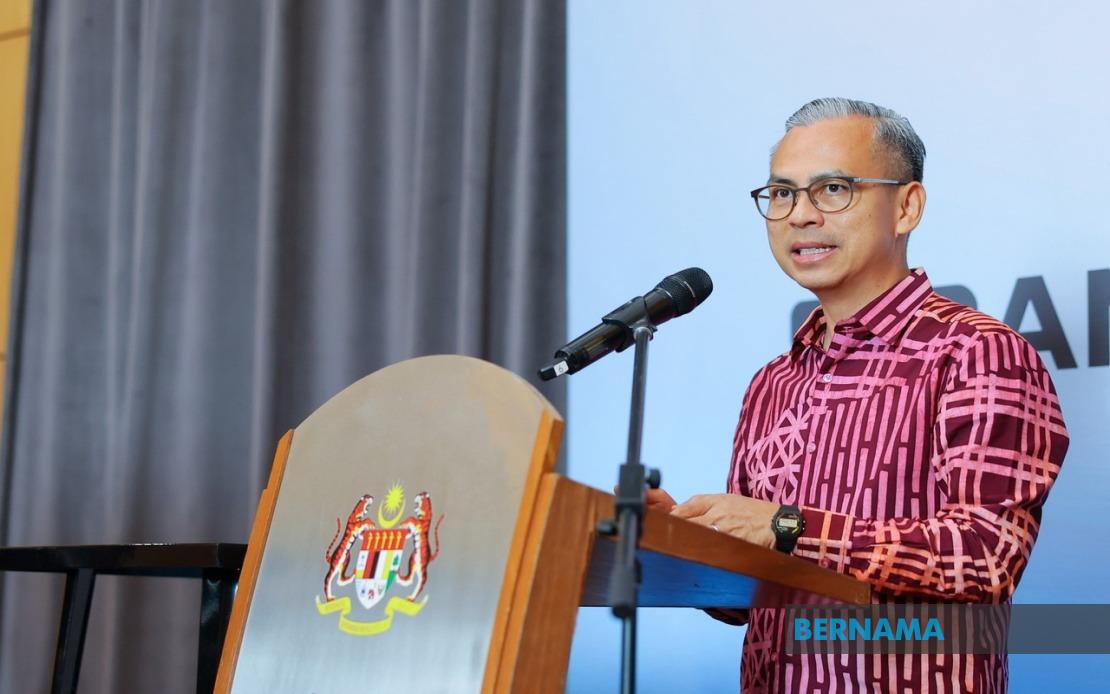
The Malaysian government has moved to tackle the growing menace of online scams by establishing a dedicated cross-agency working committee, Communications Minister Datuk Fahmi Fadzil announced on July 2. The initiative, formally established on June 18, represents a significant escalation in the country's response to digital fraud, which has emerged as one of the most pressing threats to citizens' financial security and digital trust.
The committee's creation followed deliberations at a Cabinet retreat where ministers confronted data showing the alarming acceleration of online scam-related offences. Rather than relying on siloed departmental approaches, the government has opted for a comprehensive inter-ministerial framework designed to synchronise enforcement capabilities across multiple agencies. Fahmi, who serves as spokesman for the MADANI administration, emphasised that the inaugural meeting would draw participation from numerous government bodies, with the structure purposefully designed to create overlapping jurisdictions that prevent gaps in coordination.
What distinguishes this initiative from previous anti-fraud efforts is its explicit inclusion of private sector stakeholders. For the first time in a government-led scam prevention programme, the banking sector, telecommunications companies, and major digital platforms including social media giants will participate as formal committee members. This inclusion reflects recognition that effective fraud prevention cannot rest solely with law enforcement agencies, but requires cooperation from the industries through which scammers operate. Banks and telcos hold critical transaction and communications data, whilst platforms control the channels where fraudulent solicitations propagate.
The committee's mandate encompasses three interconnected pillars: strengthening investigative capabilities, modernising legal frameworks, and enhancing enforcement operations. Fahmi articulated that this three-pronged approach acknowledges the complexity of digital crime, which often spans multiple jurisdictions and exploits vulnerabilities across different regulatory domains. Enhanced investigation relies partly on platform cooperation in providing evidence of fraud schemes, whilst legal reform aims to close loopholes that scammers currently exploit. Enforcement improvements signal intention to move beyond reactive prosecution toward proactive detection and disruption of organised fraud rings.
Whilst Fahmi indicated that several concrete outcomes are anticipated in the near term, he notably declined to elaborate on specific strategies, reasoning that transparent disclosure would alert scammers to preventive measures under consideration. This calibrated communication reflects the cat-and-mouse dynamics inherent in cybercrime prevention, where operational secrecy often outweighs the transparency benefits of public disclosure. The government's reticence suggests awareness that organised fraud networks actively monitor regulatory announcements and adapt tactics accordingly.
The committee's establishment draws precedent from the government's previous deployment of cross-agency structures to combat child sexual exploitation crimes, an area where integrated coordination proved demonstrably effective through targeted special operations. Officials point to this track record as evidence that bureaucratic silos dissolve when agencies recognise mutual interest in disrupting criminal enterprises. The child protection model similarly required bridging law enforcement, social services, and technology companies, suggesting that transferring this governance approach to scam prevention represents sound institutional learning.
For Malaysian citizens, the initiative carries particular significance given the documented surge in scam victimisation across the region. Losses from online fraud have reached hundreds of millions of ringgit annually, affecting individuals across all demographic groups but disproportionately impacting elderly Malaysians and those less familiar with digital security practices. The psychological impact extends beyond financial loss, eroding public confidence in digital transactions and creating hesitation around legitimate e-commerce and fintech services. A coordinated government response therefore addresses not merely criminal activity but broader economic and social objectives centring on digital economy resilience.
The committee structure also reflects evolving international best practice in combating transnational cybercrime. Many fraudulent operations originate from or route through Southeast Asia, meaning that effective domestic prevention intersects with regional cooperation frameworks. Malaysia's integration of telcos and banks into the official anti-scam apparatus creates infrastructure through which intelligence and evidence-sharing with neighbouring countries can be facilitated, enhancing the region's collective defensive posture against organised cybercriminal networks operating across borders.
From a policy perspective, the initiative signals broader recognition within the MADANI administration that digital safety constitutes essential infrastructure for the contemporary economy. As Malaysia pursues digital transformation and expansion of financial inclusion through mobile banking and e-payment platforms, simultaneous investment in fraud prevention becomes strategically imperative. Without robust safeguards, rapid digitisation risks creating new vulnerabilities that undermine public adoption of financial technologies and perpetuate the cash-dependent practices that leave citizens exposed to different fraud modalities.
The committee's success will ultimately depend on whether participating agencies and private firms can overcome traditional institutional rivalries and operational compartmentalisation. Government ministries sometimes guard intelligence sources and methodologies, creating friction in integrated task forces. Conversely, private companies face shareholder pressure to minimise regulatory compliance costs and may resist requirements for extensive cooperation. The committee's effectiveness therefore hinges on whether leadership commitment from cabinet level can sustain inter-institutional coordination through inevitable tensions and competing institutional interests that emerge during implementation.
Looking ahead, the committee's work will likely generate pressure for legislative reform, potentially including amendments to the Communications and Multimedia Act and other statutes governing digital activity. Such reform would codify obligations for platforms to cooperate with law enforcement and establish clearer accountability for enabling scam dissemination. The government's initial silence on specific measures suggests that legislative proposals may emerge once the committee identifies legal barriers to effective fraud prevention, translating technical findings into statutory recommendations.
The announcement arrives amid global trend toward heightened coordination in digital crime prevention, with peer democracies similarly establishing whole-of-government taskforces. Malaysia's move positions it within this progressive governance framework whilst addressing a distinctly Southeast Asian manifestation of online fraud involving predominantly localised scam operations exploiting cultural and linguistic familiarity. The committee thus represents not merely administrative reorganisation but articulation of government's commitment to making Malaysia a demonstrably safer digital space for residents and investors alike.

