Malaysia is stepping up efforts to establish a comprehensive digital regulatory framework as it hosts the International Regulatory Conference 2026 in Kuala Lumpur, positioning the country as a regional leader in managing the complexities of an increasingly interconnected digital economy. Organised by the Malaysian Communications and Multimedia Commission (MCMC), the two-day gathering brings together regulators, policymakers, and technology leaders from over seven countries to deliberate on how nations can balance innovation with protection in an era dominated by artificial intelligence and evolving cyber threats. The conference theme, 'Shaping the Next Digital Era: Regulation, Resilience and Trust,' reflects Malaysia's commitment to forging regulatory approaches that do not stifle economic growth while ensuring citizen safety and data integrity.
Communications Minister Datuk Seri Fahmi Fadzil is overseeing the opening proceedings, with MCMC Commission member Derek John Fernandez delivering the keynote address. This high-level political engagement signals the Malaysian government's recognition that digital regulation has become a cornerstone of national competitiveness and security. The conference represents the third iteration since IRC's inception in 2024, demonstrating how rapidly the discourse around digital governance is evolving in response to technological disruption and mounting public concerns about online harms.
One of the conference's cornerstone sessions examines platform accountability and child protection in digital spaces, bringing together stakeholders from human rights organisations, international agencies, and government bodies. The Human Rights Commission of Malaysia (SUHAKAM) children's commissioner Dr Farah Nini Dusuki, UNICEF Malaysia's chief of child protection Saskia Blume, and Australian High Commissioner Danielle Heinecke will explore practical mechanisms for creating safer digital environments. This dialogue is particularly pertinent for Malaysia, where youth engagement with online platforms remains high and concerns about exploitation and exposure to harmful content continue to mount among parents and educators.
Data sovereignty and privacy protection form another critical pillar of the conference agenda, reflecting growing anxieties across Southeast Asia about how personal information is collected, stored, and utilised by technology corporations. The discussion examines how Malaysia can advance its digital economy aspirations while maintaining robust protections for citizen data and ensuring trust in digital services. Industry representatives from Maxis, T&G Digital, and Ericsson will share perspectives on how telecommunications and technology firms are navigating the intersection between innovation and regulatory compliance, offering insights into how Malaysia's regulatory environment compares with global best practices.
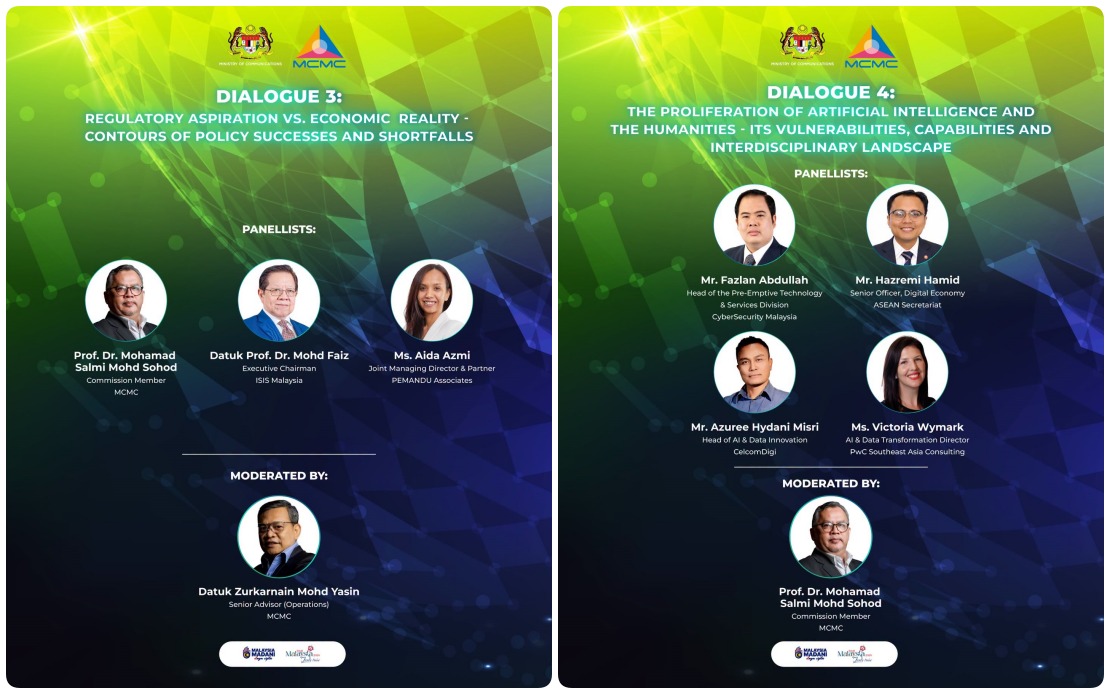
The conference also contemplates the tension between ambitious regulatory objectives and the practical realities facing businesses operating in Malaysia's digital sector. Panellists from the Institute of Strategic & International Studies (ISIS) Malaysia and PEMANDU Associates will analyse policy successes and identify areas where regulations may inadvertently hamper economic activity or innovation. This balanced examination is crucial for Malaysia as policymakers seek to craft frameworks that do not drive technology investment and talent elsewhere in the region, particularly given competition from Singapore and other hubs.
Artificial intelligence governance emerges as a pervasive theme throughout the conference, with sessions exploring AI's societal implications and the necessity for multidisciplinary approaches to its regulation. Participants from the ASEAN Secretariat, PwC Southeast Asia Consulting, and Malaysia's leading universities will discuss how AI can enhance human capabilities while mitigating risks of bias, job displacement, and misuse. This conversation gains urgency as Malaysian enterprises increasingly adopt AI-powered systems in banking, healthcare, manufacturing, and public administration, yet regulatory clarity remains nascent.
The second day of the conference shifts focus to frontier technologies that will reshape economies and societies in coming years. Quantum technology, robotics, and autonomous systems feature prominently, with experts from IBM and Malaysia's major research universities examining how regulators can foster innovation in these fields without creating safety or security vulnerabilities. For Malaysia, understanding quantum technology is particularly significant given its implications for cybersecurity, financial systems, and data protection—all areas where the nation has strategic interests.
The conference deliberates on how constant digital connectivity affects mental wellbeing, cognitive autonomy, and the integrity of information ecosystems. Sessions address digital dependency and the psychological impacts of always-on cultures, matters gaining salience as Malaysians grapple with misinformation, social media polarisation, and screen-time related health concerns. This dimension reflects a maturation of digital policy thinking beyond mere technological and economic considerations toward encompassing holistic societal wellbeing.
The timing of IRC 2026 aligns with Malaysia's implementation of the Online Safety Act 2025 (ONSA), which took effect on January 1 this year. This legislation represents a significant regulatory milestone, establishing mechanisms for content moderation, platform accountability, and user protection. The conference provides an opportunity for Malaysian regulators to share implementation lessons with international counterparts and learn from comparable jurisdictions grappling with similar challenges in translating legislative intent into operational reality.
For Malaysian businesses and digital entrepreneurs, the conference offers important signals about the regulatory trajectory shaping their operating environment. The emphasis on data sovereignty, platform accountability, and AI governance suggests policymakers are moving toward more prescriptive frameworks that will require compliance investments. Understanding these emerging regulatory norms early enables companies to align their practices and business models accordingly, potentially positioning Malaysia as a destination for responsible technology innovation.
The participation of multinational technology leaders and international regulatory bodies underscores Malaysia's integration into global digital governance networks. Rather than operating in isolation, Malaysian regulators are actively engaging with international standards and best practices, facilitating knowledge exchange and harmonisation efforts that benefit businesses operating across multiple jurisdictions. This collaborative approach enhances Malaysia's capacity to tackle challenges that transcend borders, from cybersecurity threats to transnational data flows.
Deputy Communications Minister Teo Nie Ching will formally conclude the conference, signalling continued government commitment to dialogue and stakeholder engagement on digital regulation. The conference's breadth—encompassing child safety, data rights, AI ethics, quantum technology, and mental wellbeing—demonstrates that Malaysian policymakers understand digital regulation as a multifaceted endeavour requiring input from diverse constituencies. As Malaysia navigates its transition toward a higher-value digital economy, the frameworks and principles discussed at IRC 2026 will likely influence policy development and business strategy throughout the region.

