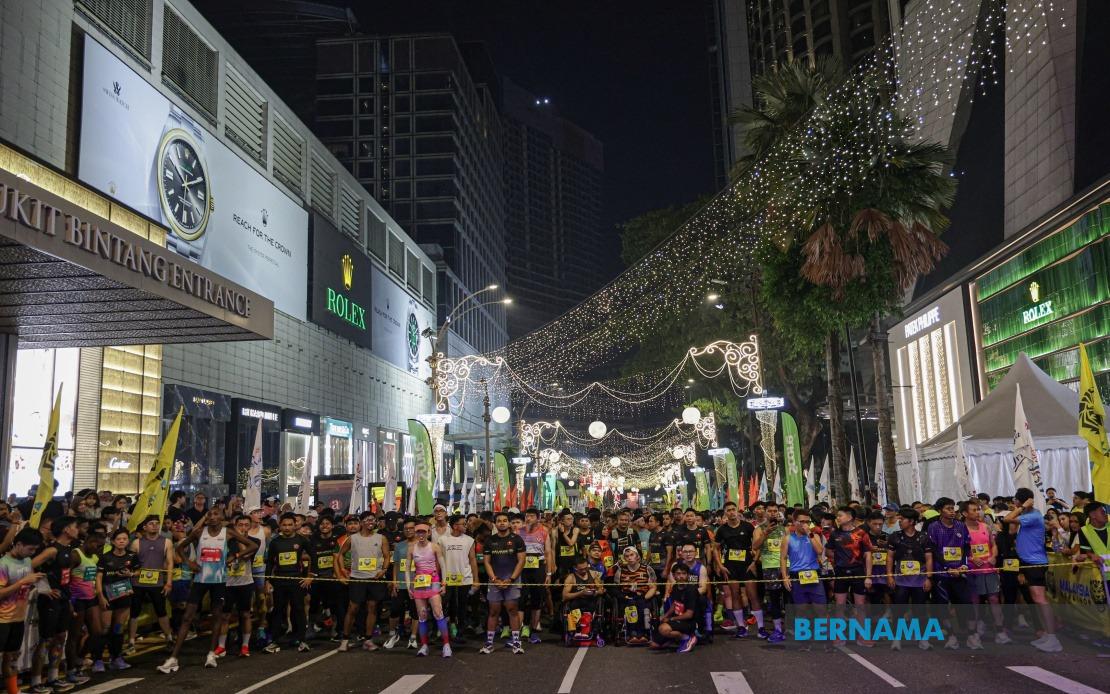
Malaysia's premier running event commenced in the early hours of August 30 with the Malaysia Marathon 2026, orchestrating a significant convergence of athletic talent to commemorate the country's 69th National Day. The full-distance 42-kilometre category opened proceedings just after midnight with 2,000 participants, setting the competitive tone for what would become a sprawling multi-stage spectacle involving 25,000 runners across four distinct distance brackets. The inaugural nature of this edition, combined with its integration into national celebrations, reflects an increasingly deliberate positioning of sporting events as vehicles for national identity and civic engagement in Malaysia.
Minister of Tourism, Arts and Culture Datuk Seri Tiong King Sing officiated the opening flag-off at Pavilion Kuala Lumpur, underscoring the event's cultural significance beyond its athletic dimensions. This ministerial involvement signals how major sporting occasions have become platforms for government visibility and messaging around wellness, tourism promotion, and national pride. The marathon's staging during the National Day period deliberately links personal athletic achievement with collective national commemoration, a symbolic fusion that resonates particularly in Southeast Asia's competitive landscape for hosting major sporting events.
The race schedule unfolded across multiple hours, beginning with the elite and amateur contingent tackling the full marathon at 12:30 am on August 30. This unconventional timing, while potentially challenging for participants and spectators alike, served practical purposes including traffic management and the theatrical spectacle of nighttime racing through Kuala Lumpur's urban landscape. The half-marathon division, attracting 8,000 runners, commenced two and a half hours later at 2:00 am, allowing staggered participation whilst maintaining the event's compressed overall timeline.
A particularly distinctive feature of the 2026 edition involved relocation of the finish line to the Kuala Lumpur City Centre precinct, departing from the traditional endpoint at Dataran Merdeka. This geographical shift transforms the runner experience, routing competitors through the commercial heart of the capital rather than its civic ceremonial space. The KLCC finish carries symbolic resonance—representing modern Malaysia's economic dynamism—whilst potentially enhancing spectator engagement through urban footfall and commercial district activation during extended event hours.
The 10-kilometre category, scheduled for 3:30 am participation by 5,000 competitors, incorporated an unprecedented element through the participation of an HONOR-manufactured humanoid robot. This technological integration, whilst perhaps primarily serving promotional functions, reflects aspirations toward positioning Malaysia as innovation-forward within the region. The robot's presence alongside international runners from Japan, Nigeria, and other nations created a distinctive visual narrative, blending athletic competition with technological demonstration in ways that generate media interest and social media engagement.
The 5-kilometre fun run segment, involving 10,000 participants commencing at 7:30 am, democratised participation by removing the overnight participation requirement affecting more serious competitors. This tiered approach—from ultra-early morning elite racing to morning family-friendly engagement—maximises inclusivity whilst maintaining athletic credibility through World Athletics recognition of the championship.
Physical demands differentiated the full marathon experience markedly through route topography. Competitors tackling the 42-kilometre distance confronted an intimidating 900-metre elevation gain whilst traversing the Ampang-Kuala Lumpur Elevated Highway section. This challenging climb positioned the race as genuinely testing endurance and physical conditioning, distinguishing it from flatter urban marathons and appealing to serious running communities seeking demanding courses.
Kuala Lumpur Police orchestrated comprehensive traffic management protocols, implementing phased road closures and diversions from late August 29 through afternoon August 30. Major arterial routes including Jalan Bukit Bintang, Jalan Ampang, Jalan Sultan Ismail, and Jalan Raja Chulan, alongside AKLEH and SUKE highways, faced temporary restrictions. This infrastructure-level intervention reflects the event's substantial scale and impact on urban mobility, presenting challenges for commuters but underscoring the marathon's elevated status within Malaysia's sporting calendar.
World Athletics accreditation grants the championship international standing, positioning it within the global competitive running hierarchy and validating its standards for elite participation. This recognition holds particular significance for Malaysian athletics' regional reputation and potentially attracts higher-caliber international competitors who prioritise formally sanctioned events. The convergence of 25,000 participants—a substantial figure by regional standards—demonstrates Malaysian capacity to organise complex mass-participation sporting events whilst maintaining competitive integrity.
The integration of the marathon with National Day celebrations represents a deliberate governmental strategy linking individual wellness initiatives with collective national narratives. Sporting events of this scale generate economic benefits through tourism and hospitality spend, whilst creating patriotic messaging opportunities without explicit political content. For Malaysian readers and Southeast Asian observers, the event exemplifies how modern nation-states instrumentalise athletics to project contemporary identity—balancing tradition (National Day), technological modernity (the humanoid robot), and international participation.
The marathon's inaugural 2026 edition establishes precedent for future iterations. Its successful execution—assuming minimal logistical complications—will likely encourage similar magnitude events tied to national occasions, potentially elevating Malaysia's profile within Asian sporting circles and positioning the nation as capable host for major regional competitions. The combination of challenging terrain, innovative finishing logistics, and international participation creates a distinctive event profile within Malaysia's sporting landscape.

