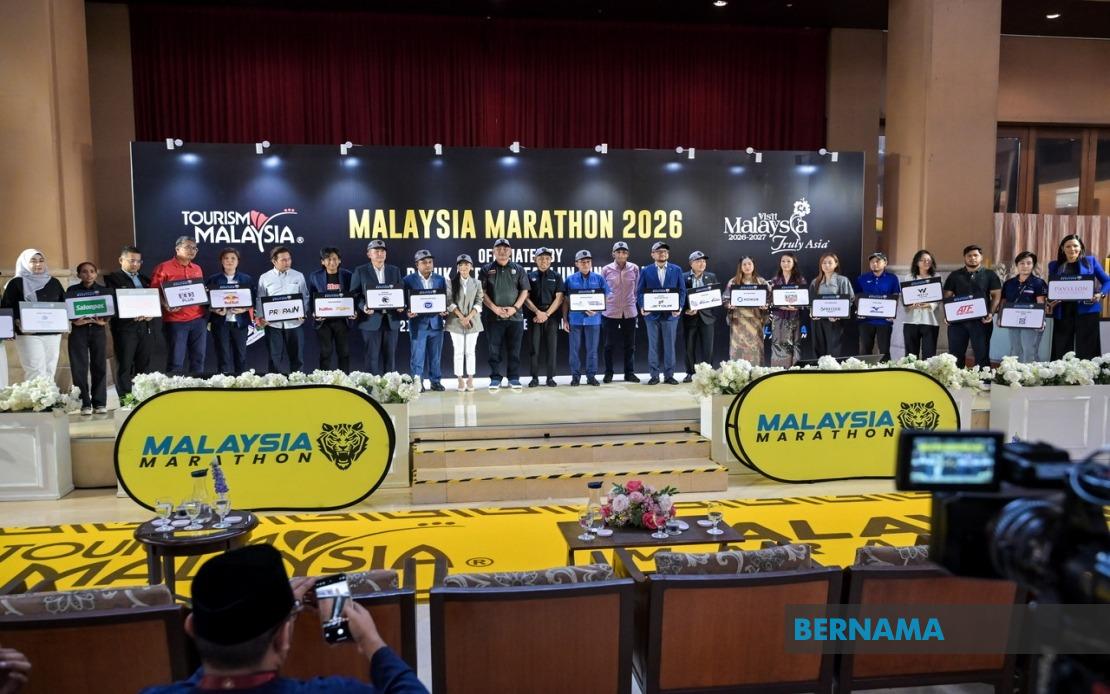
The inaugural Malaysia Marathon 2026, scheduled for August 30, will feature a substantial incentive designed to motivate local elite runners to pursue national records. Organisers have announced a RM50,000 prize pool specifically for Malaysian athletes who successfully break existing records in either the 21-kilometre or 42-kilometre distance categories. This strategic offering underscores the event's ambition to elevate domestic running performance while establishing Malaysia as a competitive marathon destination within the region.
According to Malaysia Marathon president Eddy Casmady, the financial incentive represents a deliberate effort to galvanise the nation's athletic community. Speaking after the event's official launch ceremony, Casmady emphasised that rewarding record-breaking performances serves dual purposes: it acknowledges the dedication required by elite athletes while signalling the organisers' commitment to supporting the inaugural tournament's success. The prize structure concentrates specifically on Malaysian participants, creating a domestic competitive environment that may inspire a new generation of distance runners to pursue elite-level training and participation.
The marathon has already achieved significant international validation through World Athletics recognition of its race course. The route measurement process, a rigorous standardisation procedure required by the sport's global governing body, culminated in the issuance of an official certificate confirming the course's legitimacy for competitive racing. This accreditation ensures that any records set during the Malaysia Marathon 2026 will receive international acknowledgment, enhancing both the event's prestige and the motivation for serious competitors to participate.
Challenging topography characterises much of the planned route, potentially distinguishing Malaysia Marathon 2026 from typical urban marathons across Southeast Asia. A particularly demanding section spanning approximately 900 metres features sustained uphill climbing, presenting a significant test for both local and international participants. Such elevation changes demand considerable physical conditioning and tactical pacing, characteristics that separate serious competitive marathoners from recreational runners. This undulating terrain may appeal to experienced distance runners seeking genuinely challenging courses while potentially daunting newcomers to the sport.
The route itself traces a compelling path through Kuala Lumpur's urban landscape, commencing at Pavilion Kuala Lumpur and concluding in the vicinity of the Petronas Twin Towers and surrounding KLCC precinct. This routing through Malaysia's commercial and architectural heart provides spectacular scenery and psychological motivation for participants, transforming the marathon into a journey showcasing the nation's contemporary infrastructure. The combination of urban aesthetics and demanding physical conditions creates a distinctive racing experience that distinguishes this event from established marathons elsewhere in the region.
Participation figures reveal considerable interest spanning both domestic and international running communities. The event anticipates 25,000 total participants distributed across multiple distance categories, encompassing 2,000 competitors in the full 42-kilometre marathon, 8,000 participating in the half-marathon distance of 21 kilometres, 5,000 attempting the 10-kilometre run, and 10,000 engaging in a recreational 5-kilometre leisure walk. This diversified structure accommodates varying fitness levels and competitive ambitions, transforming the Malaysia Marathon into an inclusive mass participation event rather than exclusively elite-focused competition.
International participation demonstrates Malaysia's growing attraction as a marathon destination, with more than 2,300 overseas competitors registered for the 2026 edition. Notably, elite athletes from Japan and Nigeria feature prominently among international entrants, suggesting the event has successfully marketed itself within competitive running networks across different continents. Such international participation elevates the competitive standard while fostering cross-cultural athletic exchange and tourism revenue generation for Malaysia's hospitality and tourism sectors.
An unexpected innovation will emerge through the participation of the HONOR humanoid robot, programmed to complete the 10-kilometre event. This technological novelty represents a contemporary marketing angle that captures media attention while introducing robotics awareness to mainstream sporting audiences. The robot's participation, though symbolic rather than genuinely competitive, exemplifies the organisers' creative approach to generating public interest and distinguishing Malaysia Marathon 2026 from conventional athletic events throughout the region.
The Malaysia Marathon 2026 arrives at a strategic moment for Southeast Asian sports development. As regional nations increasingly compete to host internationally recognised sporting events, this inaugural marathon positions Malaysia within the growing circuit of competitive distance running venues. The combination of substantial prize incentives, World Athletics recognition, challenging terrain, and inclusive participation structures creates a comprehensive formula for establishing a marquee annual event capable of attracting elite competitors while engaging recreational runners and casual participants.

