Dataran Putrajaya transformed into a sea of patriotic celebration on August 31 as tens of thousands of Malaysians of all backgrounds and ages gathered to mark 69 years since independence. The federal administrative capital, which has become the traditional heartland for national-level observances, once again hosted the country's premier independence commemoration, drawing crowds whose enthusiasm and sense of national pride reverberated across the sprawling venue throughout the day.
The 2026 National Day celebrations operated under the theme "Malaysia MADANI: Kesejahteraan Dinikmati", a concept that encapsulates the government's vision of ensuring shared prosperity across the nation's diverse communities. This thematic framework reflected ongoing efforts to position Malaysia's development narrative around inclusive growth and social wellbeing, resonating with citizens who came together in a display of multicultural solidarity. The choice of theme underscores the administration's emphasis on translating development aspirations into tangible improvements in citizens' quality of life, a particularly relevant messaging angle as Malaysia navigates complex regional economic currents.
Putrajaya's selection as the venue represents a deliberate continuity in the government's approach to national celebrations. The capital has served as the primary host for these commemorations on multiple occasions—specifically in 2003, 2005, 2018, 2019, 2023, 2024, and 2025—cementing its status as the symbolic centre for national observances. This repeated hosting reflects both practical considerations around infrastructure capacity and symbolic significance, as the purpose-built administrative centre embodies Malaysia's modern governance structures and forward-looking aspirations.
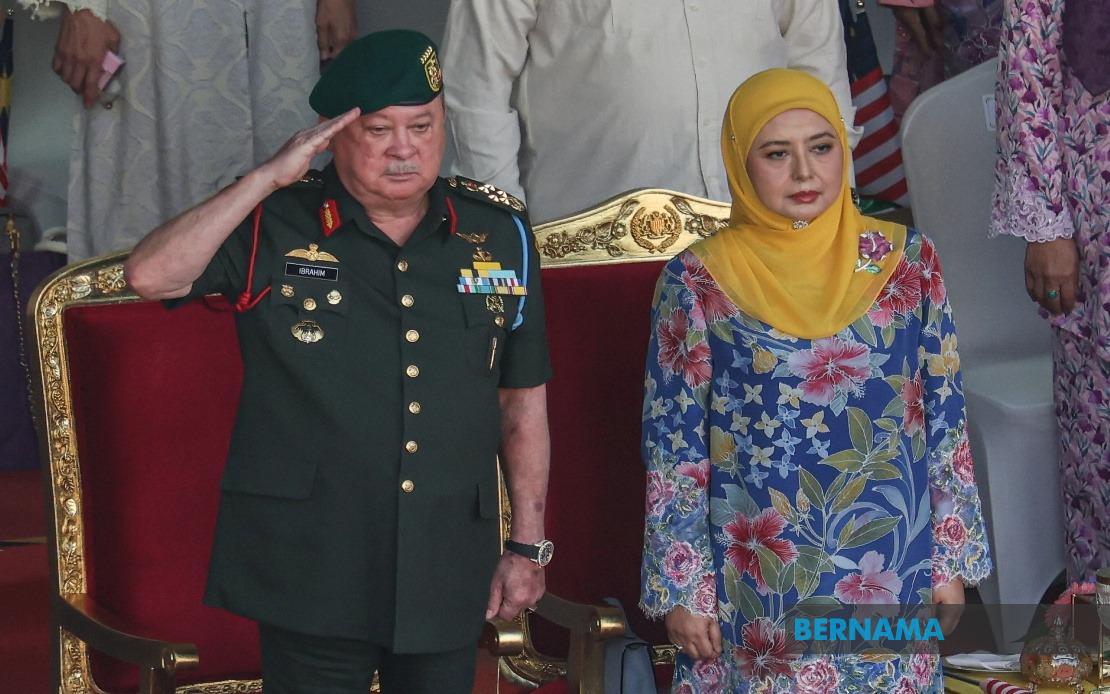
Proceedings commenced with the arrival of Prime Minister Datuk Seri Anwar Ibrahim and his wife, Datuk Seri Dr Wan Azizah Wan Ismail, at the royal stage at 7.53 am, where the ceremonial "Hormat Perdana" greeting set the formal tone for the day's events. The pageantry escalated dramatically minutes later when Their Majesties Sultan Ibrahim and Raja Zarith Sofiah arrived at the royal stage to preside over the main celebrations, their appearance triggering a spectacular aerial display featuring five helicopters executing a precision flypast whilst bearing the Jalur Gemilang, the national flag. This coordinated air show, accompanied by the simultaneous playing of Negaraku and "Hormat Diraja", exemplified the scale and coordination required for such high-level state occasions.
The event drew an impressive array of senior government officials and international observers. Deputy Prime Minister Datuk Seri Dr Ahmad Zahid Hamidi stood alongside Cabinet ministers, including Communications Minister Datuk Seri Fahmi Fadzil, who chairs the main committee overseeing both the 2026 National Day and Malaysia Day (HKHM) celebrations. The presence of foreign diplomatic representatives and international delegates highlighted Malaysia's commitment to demonstrating national unity and stability to the global community, particularly significant given the country's strategic positioning in Southeast Asia's political and economic architecture.
The formal ceremonial elements reinforced the solemnity underlying the celebratory atmosphere. The official proceedings commenced with the collective singing of Negaraku, followed by the formal raising of the Jalur Gemilang whilst a 14-gun salute—each shot symbolising one of Malaysia's 14 constituent states—punctuated the morning air. The Royal Artillery Regiment's 41st Battery, under the command of Major Hafizan Mat Ghani, executed this ceremonial duty with the precision befitting a national occasion, underscoring the military's institutional role in maintaining and honouring national symbols.
A particularly poignant moment came with the collective recitation of the Rukun Negara, Malaysia's national philosophical foundation outlining principles of belief in God, loyalty to King and country, upholding the constitution, rule of law, and mutual respect. Led by Malaysian Fire and Rescue Department Deputy Commissioner Datuk Abdul Razak Muda and involving 69 JBPM personnel alongside sign language interpreter Nur Alyanatasha, this sequence demonstrated deliberate inclusivity in ensuring all citizens, regardless of ability, could participate meaningfully in this cornerstone civic ritual. The symbolic number 69, matching the years of independence being celebrated, represented careful thematic integration throughout the ceremony's architecture.
The emotional crescendo arrived with the iconic "Merdeka" cry, uttered seven times in succession across the vast plaza, each repetition prompting thousands of citizens to wave their individual Jalur Gemilang flags in unison. This ritual, performed at every National Day celebration, carries profound historical weight, connecting contemporary Malaysians to the independence struggle of previous generations and reinforcing the collective identity that transcends ethnic, religious, and socioeconomic boundaries. The sight of such mass participation, spanning multiple generations from children to elderly citizens, visually encoded the concept of national continuity and intergenerational shared purpose.
For Malaysian audiences and regional observers, such high-profile national celebrations serve functions beyond ceremonial pageantry. They constitute public reaffirmations of the constitutional arrangement underpinning Malaysian statehood, the institutional role of the monarchy, and the cultural consensus around national symbols. In a region where political stability and institutional legitimacy carry significant weight in investor confidence and international standing, such successful large-scale commemorations project an image of functional governance and social cohesion. The 2026 celebration's emphasis on inclusive prosperity through the "Malaysia MADANI" framework also signals the government's thematic priorities to domestic constituencies and international stakeholders regarding how Malaysia intends to navigate the coming years of development.
The gathering at Dataran Putrajaya represented more than ceremonial obligation; it constituted a societal moment where Malaysians of diverse backgrounds could participate collectively in affirming shared national identity. The careful orchestration of military precision, royal pageantry, inclusive rituals accommodating citizens with different abilities, and mass public participation created a multifaceted expression of what contemporary Malaysian nationhood encompasses. As the nation approaches its seventh decade of independence, such celebrations anchor national consciousness in enduring constitutional principles whilst signalling forward-looking governance aspirations, creating continuity between historical achievements and future aspirations across the multiethnic, multireligious federation.

