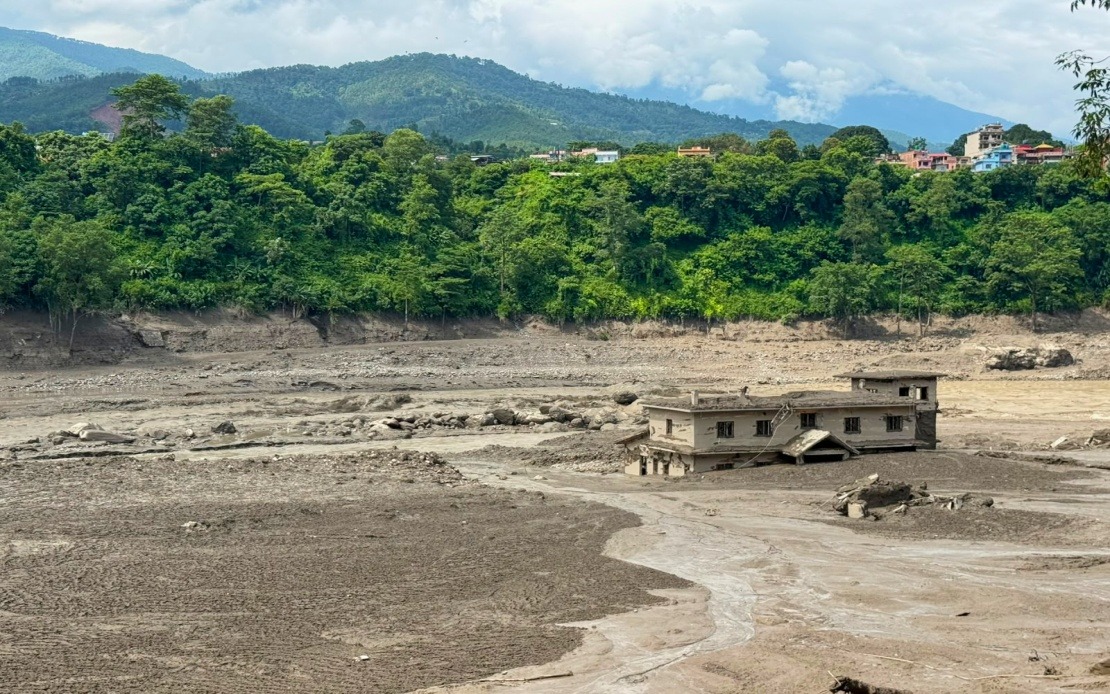
Prime Minister Datuk Seri Anwar Ibrahim has voiced his concern and sadness regarding the catastrophic flash floods that struck Rasuwa district in Nepal, highlighting that the Malaysian government is intensifying efforts to trace 54 citizens whose whereabouts remain unknown. Speaking through a Facebook post, Anwar underscored the gravity of the situation and the administration's commitment to prioritising the safety and welfare of affected Malaysians during this humanitarian crisis.
The Malaysian Embassy in Kathmandu has been coordinating closely with Nepalese authorities and other relevant agencies to locate the missing Malaysians and gather information about their current condition. In a significant escalation of the search operation, the government has also mobilised personnel from the Malaysian High Commission in Dhaka, Bangladesh, to strengthen coordination efforts on the ground and enhance the effectiveness of the rescue mission across the border region.
According to Anwar's statement, the Foreign Ministry initially informed him about the communication blackout affecting the 54 Malaysians, prompting the swift activation of search and rescue protocols. The Prime Minister expressed his deep concern upon receiving this briefing, demonstrating the high-level attention being directed toward the crisis. The MADANI Government, through its Foreign Ministry apparatus, committed to maintaining close surveillance of developments as they unfold and mobilising all available resources to ensure the protection of Malaysian nationals caught in the disaster zone.
The catastrophic events unfolded in the Nepal-Tibet border region when intense rainfall combined with glacier landslides triggered destructive flash floods along the Bhote Koshi River. This natural disaster has severely disrupted the region's infrastructure, particularly communication systems and road networks. The main highway connecting the affected Rasuwa district to Kathmandu has been severed, creating significant logistical challenges for relief operations and complicating the movement of survivors and rescue teams in and out of the affected area.
The geographical isolation created by the flood damage has compounded the challenge of locating and assisting the missing Malaysians. With communication networks down and access routes compromised, rescue teams face substantial obstacles in conducting systematic search operations. The terrain along the Bhote Koshi River is particularly treacherous, with mountainous slopes and unstable ground conditions following the glacier landslides making traversal dangerous for both rescuers and survivors attempting to reach safety.
For Malaysia, this incident highlights the vulnerability of citizens travelling to popular trekking and tourism destinations in the Himalayas during monsoon season. Rasuwa district, positioned along a critical corridor to Tibet, attracts Malaysian adventure tourists and pilgrims undertaking high-altitude expeditions. The absence of communication from 54 individuals suggests a concentrated group, likely composed of fellow travellers or members of an organised tour, though authorities have not yet confirmed the exact composition or circumstances of the missing persons.
The deployment of resources from Bangladesh represents a pragmatic diplomatic approach, leveraging Malaysia's regional network to enhance rescue coordination. Bangladesh, sharing a geographical proximity to the affected region and maintaining strong bilateral relations with Nepal, can serve as an auxiliary coordination point for logistics and information gathering. This multi-national approach demonstrates the interconnected nature of Southeast Asian countries in addressing transnational humanitarian emergencies.
Anwar's appeal for prayers and public support reflects both the seriousness of the situation and the Malaysian government's transparent communication with citizens. By publicly acknowledging the crisis and requesting collective prayers for the safe recovery of all missing Malaysians, the Prime Minister has elevated national consciousness regarding the incident whilst demonstrating government responsiveness to emergency situations affecting citizens abroad.
The Foreign Ministry's active monitoring and resource mobilisation indicate that standard diplomatic channels and emergency protocols have been fully activated. Malaysia maintains established mechanisms for assisting nationals in distress overseas, including dedicated crisis response teams, liaison officers at embassies, and coordination procedures with host governments. The fact that multiple agencies and international posts are engaged underscores the scale of the operation and the Malaysian government's determination to account for every missing citizen.
This disaster serves as a sobering reminder of the natural hazards associated with Himalayan travel, particularly during the monsoon season when meteorological conditions become unpredictable and dangerous. Malaysian travellers venturing to Nepal and the Tibet region should reassess their travel timing and risk management strategies. For the government, the incident underscores the importance of maintaining robust consular services and emergency response capabilities in key tourist destinations throughout Asia.
As rescue and search operations continue, the Malaysian government has pledged that it will remain steadfast in its efforts until all missing nationals are accounted for and their fates determined. The situation remains fluid, with authorities maintaining active communication with Nepalese counterparts and international organisations involved in the relief efforts. Updates on the status of the 54 uncontactable Malaysians are expected as communication infrastructure is restored and rescue teams gain access to previously unreachable areas of the disaster zone.

