The Malaysian government has appealed to citizens to demonstrate compassion and uphold fundamental humanitarian principles when engaging with the Rohingya community residing in the country, even as public discourse and journalistic focus on the issue continues to intensify. The call represents an effort by authorities to shape how Malaysians discuss and respond to what remains one of Southeast Asia's most contentious displacement crises, requiring dialogue that respects both the vulnerability of Rohingya refugees and the legitimate concerns of host communities.
The appeal underscores a persistent tension that Malaysia faces as a Muslim-majority nation and signatory to international humanitarian conventions. Since the Myanmar military's 2017 campaign displaced hundreds of thousands of Rohingya from Rakhine State, Malaysia has emerged as one of the primary destinations for those fleeing persecution, hosting one of the largest stateless populations in the region. This responsibility has created complex social, economic, and political dynamics that demand careful navigation by policymakers and public figures alike.
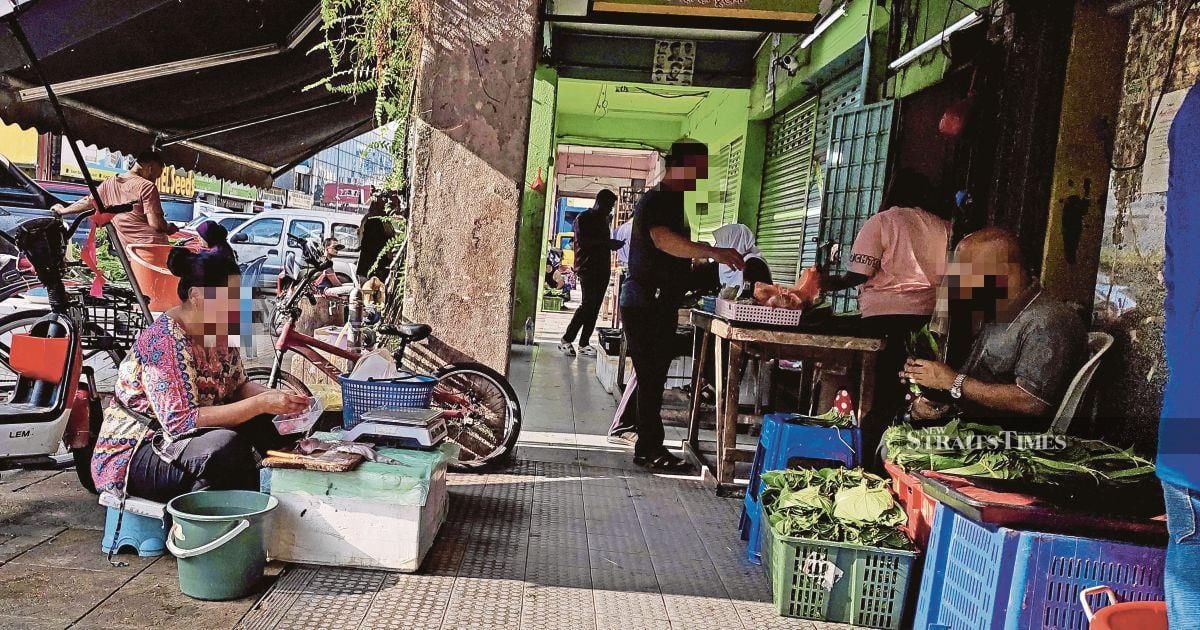
For Malaysia, the Rohingya presence intersects with broader questions about immigration policy, resource allocation, and national identity. The influx has strained public services and employment opportunities in urban areas where many Rohingya have settled, particularly in Kuala Lumpur and Klang Valley. These material concerns have fuelled legitimate frustrations among some segments of the Malaysian population, who worry about competition for jobs and the adequacy of government services. Understanding this context is essential for grasping why the government felt compelled to issue its recent reminder about maintaining humanitarian values.
The government's intervention also reflects awareness that media narratives—both local and international—have begun shaping public perception in ways that could polarise society. Heightened coverage, particularly when focused on security concerns or crime allegedly involving Rohingya individuals, can amplify fears and potentially fuel discrimination or vigilante actions against an already vulnerable population. By appealing to compassion and humanity, Malaysian authorities appear to be attempting preventative diplomacy designed to ensure the situation does not escalate into communal tensions.
What makes the balance so delicate is that both principles at stake—humanitarian responsibility and legal order—carry legitimate weight. Malaysia is not a signatory to the 1951 Refugee Convention, meaning it operates largely outside formal international refugee frameworks. Domestically, concerns about irregular migration, labour market regulations, and security screening are not frivolous; they reflect genuine state responsibilities. Yet simultaneously, the Rohingya remain human beings fleeing genuine persecution, many of whom have family connections to Malaysia and have lived here for years, contributing to their communities despite legal limbo.
The challenge resonates throughout Southeast Asia, where host countries like Bangladesh, Indonesia, and Thailand face similar pressures. Bangladesh, which shelters nearly a million Rohingya in sprawling camps, has grown increasingly vocal about burden-sharing, suggesting the issue will remain politically charged across the region. Malaysia's approach—attempting to thread a needle between humanitarian acknowledgement and legal constraints—offers a model of sorts, though critics argue the government has not gone far enough in either direction, whether in providing refugee status or in enforcing immigration law consistently.
Local civil society organisations have consistently advocated for greater recognition of Rohingya rights and dignified conditions of life, while simultaneously acknowledging the government's need to manage migration. This consensus position—that compassion and law need not be mutually exclusive—provides a foundation upon which the government's recent message builds. Yet translating this principle into policy requires concrete steps: ensuring Rohingya children can access education without discrimination, creating pathways for those without documents to prove their identity, and combating exploitation in informal labour markets where many Rohingya work.
The government's reminder also speaks to concerns about the role of civil society and religious leaders in shaping attitudes. Malaysia's diverse and politically engaged population requires reassurance that supporting humanitarian principles does not mean abandoning prudent governance. This is particularly important in a context where religious rhetoric can sometimes be weaponised in political contests, and where concerns about identity and belonging run deep. By framing the issue as one requiring both compassion and lawfulness, the government positions itself as defending measured centrism against potential extremes.
Looking ahead, Malaysia will need to move beyond rhetorical appeals toward substantive policy frameworks that operationalise this balance. This might include developing clearer pathways for documentation, ensuring access to justice for Rohingya victims of crime, combating trafficking networks, and supporting local community integration programmes that reduce tensions. Regional cooperation through ASEAN mechanisms could also help distribute responsibility more equitably, preventing any single nation from bearing disproportionate burden.
Ultimately, the government's recent statement reflects growing awareness that the Rohingya situation is not a temporary crisis that will resolve itself. These communities are embedded in Malaysian society, and their presence will shape the country's humanitarian reputation, social cohesion, and international standing for years to come. Whether Malaysia can genuinely balance compassion with effective governance will signal not only its commitment to international humanitarian norms, but also its ability to manage diversity and complexity in an increasingly interconnected world.