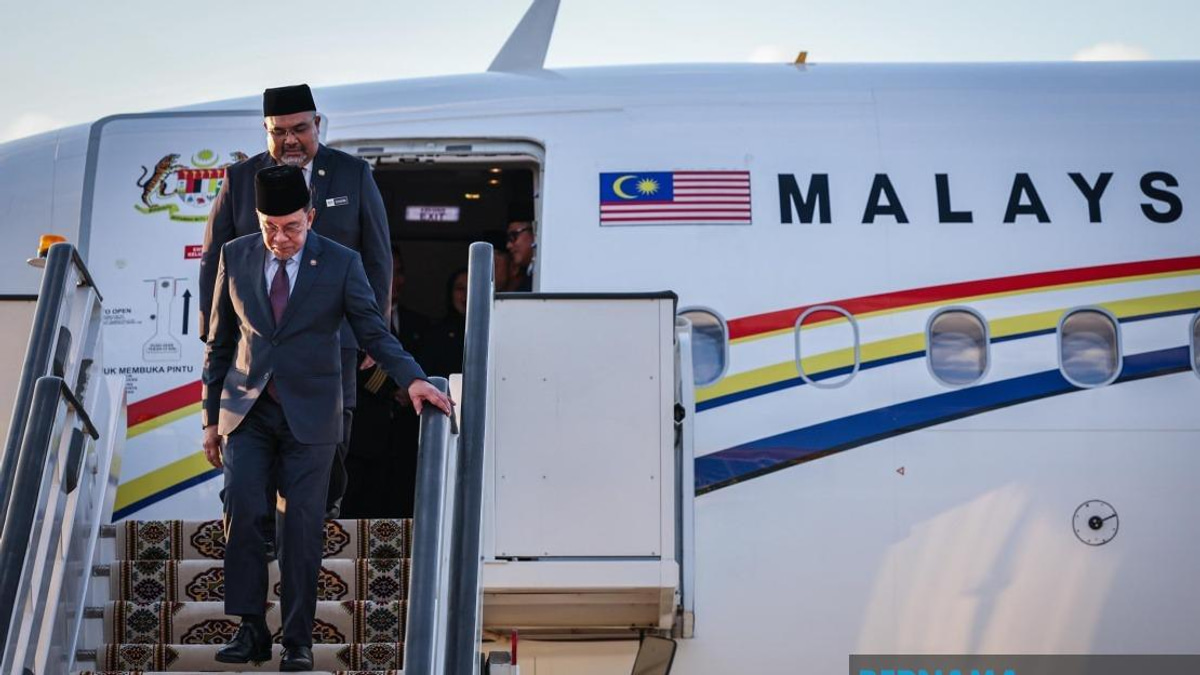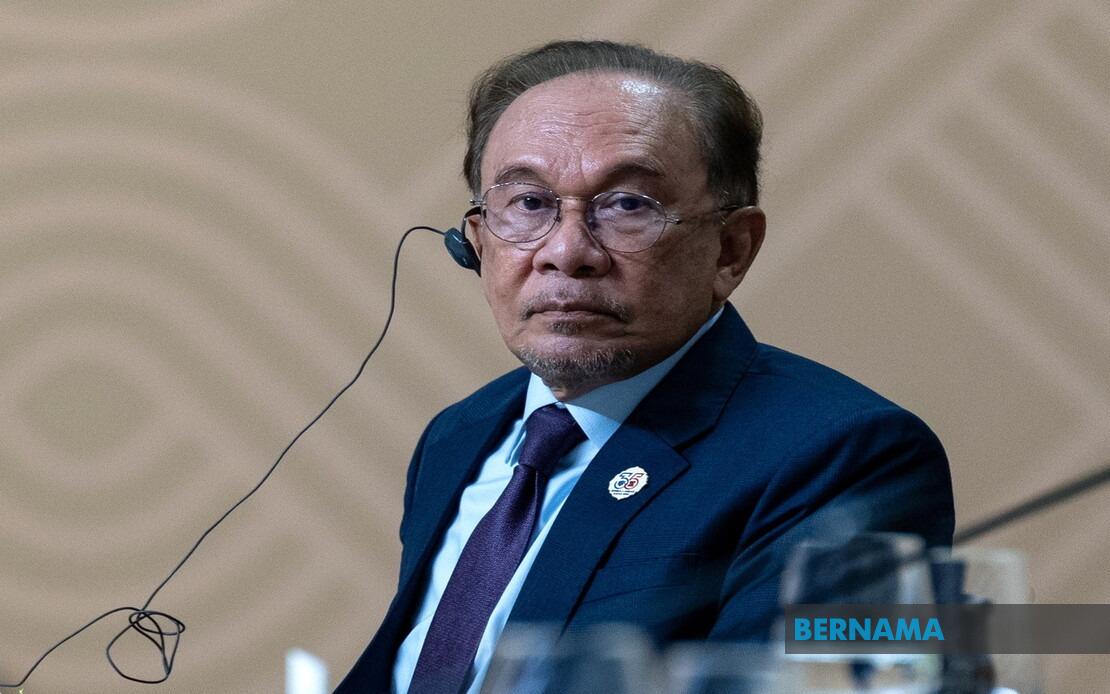
Prime Minister Datuk Seri Anwar Ibrahim has signalled Malaysia's backing for emerging prospects of a comprehensive peace accord between the United States and Iran, believing such an agreement could prove transformative in resolving the broader conflict landscape across West Asia. Speaking at the 35th ASEAN-Russia Commemorative Summit in Kazan on Thursday, Anwar articulated cautious but genuine confidence in the trajectory of ongoing negotiations, underscoring Malaysia's strategic interest in regional stability and multilateral conflict resolution.
The premier's optimism centres on a proposed memorandum of understanding that would establish a structured framework for peace between Washington and Tehran. However, negotiators face significant time constraints, with both parties having committed to finalizing any comprehensive agreement within a maximum 60-day window. This compressed timeline reflects both the urgency felt by mediators and the delicate nature of bridging decades of bilateral animosity and mistrust.
Anwar grounded his assessment in intelligence gleaned directly from Pakistan Prime Minister Shehbaz Sharif, who has emerged as a pivotal intermediary in facilitating the diplomatic process. According to Anwar, Sharif has maintained continuous involvement at every stage of negotiations, conducting extensive consultations with both principals and keeping neighbouring capitals informed of developments. This hands-on mediation by Pakistan signals the country's commitment to de-escalation and reflects broader regional recognition that sustained confrontation in West Asia threatens economic stability and security across South and Southeast Asia.
The Malaysian leader emphasized that despite the compressed 60-day deadline, progress thus far warrants cautious optimism. Rather than dismissing the timeline as unrealistic, Anwar framed it as a concentrated diplomatic sprint that could yield historic results if momentum is maintained. His characterization reflected awareness that such negotiations typically stall when deadlines extend indefinitely, whereas structured timeframes can focus decision-makers' minds on compromise.
During parallel discussions with Russian President Vladimir Putin at the summit, Anwar detected similar optimism regarding the peace initiative's viability. Putin's alignment with this perspective carries particular weight given Russia's significant geopolitical interests in West Asia, its established relationships with both Iran and the United States, and Moscow's role in regional forums. The convergence of views between Malaysian, Pakistani, and Russian leadership suggests a genuine consensus among key stakeholders that conditions have shifted sufficiently to permit meaningful progress.
Anwar acknowledged, however, that considerable uncertainty persists given the involvement of the Trump administration in the American side of negotiations. The unpredictability associated with US President Donald Trump's decision-making calculus introduces variables that traditional diplomatic analysis struggles to accommodate. Trump's previous withdrawal from the Joint Comprehensive Plan of Action in 2018 serves as a cautionary historical reference point, yet Anwar suggested that current circumstances and diplomatic preparation may produce different outcomes.
For Malaysia and Southeast Asia more broadly, a successful US-Iran peace agreement would carry substantial implications. The region's dependence on stable energy markets and unimpeded maritime trade through strategic chokepoints means that West Asian conflicts directly affect economic performance across ASEAN. Reduced tensions between Washington and Tehran could stabilize oil prices, facilitate investment flows, and reduce the risks associated with regional military escalation that could draw major powers into confrontational postures.
Moreover, a successful agreement would vindicate multilateral mediation efforts and reinforce the diplomatic approach that ASEAN itself champions through mechanisms like the ASEAN Regional Forum. Malaysia's public endorsement of these peace efforts positions the country as a constructive voice in international conflict resolution, consistent with its long-standing advocacy for dialogue-based solutions to regional tensions.
The timing of Anwar's remarks at the ASEAN-Russia summit underscores Malaysia's engagement with major power diplomacy while maintaining its non-aligned orientation. By articulating support for the peace initiative in Russia's presence, Anwar demonstrated Malaysia's capacity to work with all major powers toward shared objectives of regional stability, even as broader geopolitical competition between the United States and Russia shapes the international environment.
Critical observers note that Anwar's optimism, while grounded in consultations with key mediators, remains contingent on several factors materializing as hoped. The 60-day timeline remains extraordinarily compressed for resolving issues of such complexity and historical depth. Internal political dynamics within both the United States and Iran could yet derail progress, with hardliners in both capitals sceptical of compromise. The broader regional context, including Israeli-Palestinian tensions and proxy conflicts throughout the Levant and Iraq, adds layers of complication that bilateral US-Iran negotiations alone cannot fully address.
Nevertheless, Malaysia's public backing for these peace efforts reflects its interest in a more stable regional order and its confidence in the competence and commitment of mediators like Pakistan. By voicing measured optimism, Anwar signals to both Washington and Tehran that their success in these negotiations would be welcomed by a significant portion of the developing world, particularly nations like Malaysia that benefit from predictable, rules-based international relations and reduced great power confrontation.