Malaysia is mobilising both its Defence and Foreign ministries to navigate a mounting compensation dispute triggered by the cancellation of a contract to acquire Norway's Naval Strike Missile system from Kongsberg Defence & Aerospace AS, signalling a methodical escalation of diplomatic engagement to secure a financially favourable outcome. Defence Minister Datuk Seri Mohamed Khaled Nordin disclosed that formal notifications have been transmitted to the Norwegian government, setting in motion a structured process designed to facilitate negotiations and mediation between Malaysian authorities and the defence contractor.
The strategic decision to involve Oslo as a facilitator reflects a sophisticated understanding of international dispute resolution protocols. By notifying the Norwegian government at an official level, Malaysia is leveraging bilateral relations and requesting that Norway assume a mediating posture between the Defence Ministry and Kongsberg Defence & Aerospace AS. This approach recognises that contractor disputes, particularly those involving defence procurement, often benefit from third-party governmental involvement to expedite settlement discussions and build confidence between disputing parties.
Datuk Seri Mohamed Khaled emphasised Malaysia's commitment to resolving the matter swiftly, noting that the government issued requisite notices immediately following the contract cancellation. The Foreign Ministry's formal communication to Norway requesting its facilitative role represents a critical administrative step, positioning the Norwegian government as an intermediary capable of encouraging the defence contractor to engage constructively with Malaysia's compensation claims. Such diplomatic groundwork is essential in defence procurement disputes, where reputational considerations and long-term bilateral relationships intersect with commercial interests.
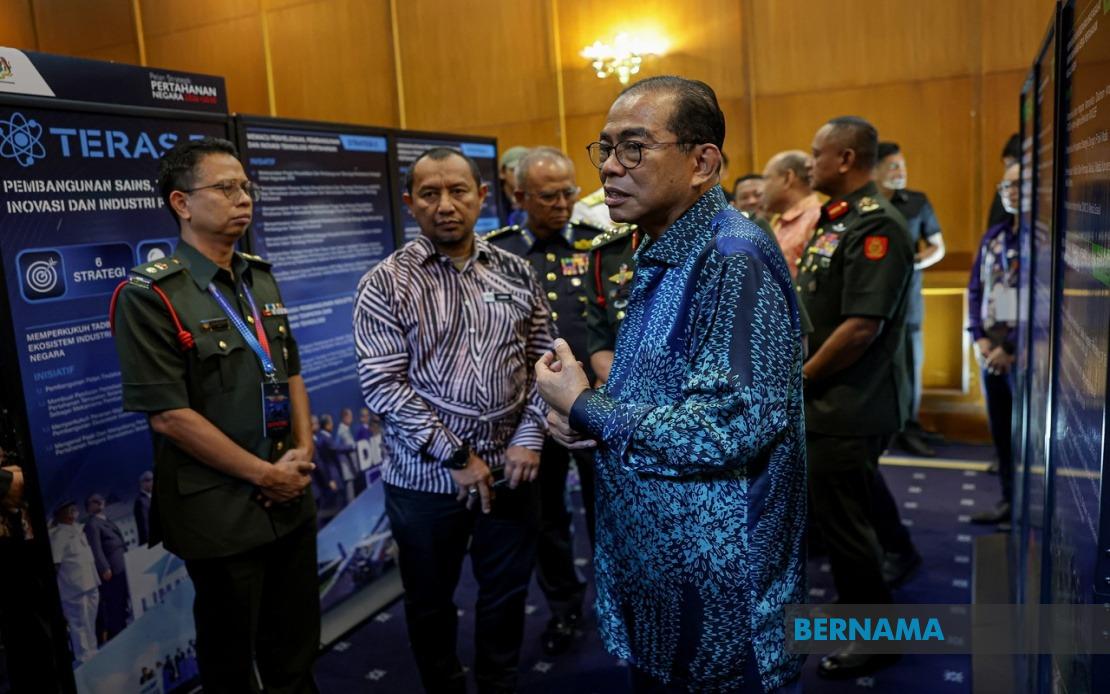
The Defence Minister's comments were made during the launch of the National Defence Strategic Plan and Defence Capability Blueprint 2026-2030, an event that underscored broader military modernisation priorities even as officials addressed the ongoing contractual imbroglio. The simultaneous advancement of Malaysia's defence acquisition strategy and pursuit of compensation demonstrates governmental capacity to compartmentalise competing priorities, ensuring that one procurement setback does not derail wider strategic planning objectives. Chief of Defence Force General Tan Sri Malek Razak Sulaiman's attendance at the ceremony reflected the military establishment's alignment with civilian defence ministry messaging.
The Public Accounts Committee's involvement adds legislative scrutiny to executive compensation efforts. The PAC's receipt of a special briefing from the Defence Ministry indicates parliamentary oversight bodies are actively monitoring how the government manages this commercial dispute. The committee's subsequent recommendation that Malaysia strengthen mitigation strategies while preserving fiscal sovereignty suggests legitimate concerns about potential financial exposure or inadequate contractual protections that precipitated the cancellation.
This incident exemplifies challenges inherent in cross-border defence procurement, particularly when geopolitical or budgetary circumstances shift mid-contract lifecycle. Malaysia's willingness to pursue formal compensation claims signals that contract terms contained sufficiently robust penalty or termination clauses to warrant pursuing recovery. The decision to weaponise diplomatic channels rather than relying solely on commercial arbitration reflects confidence in the strength of Malaysia's legal position and recognition that bilateral pressure through official government intermediation may accelerate resolution.
For Malaysian readers, this episode carries implications extending beyond defence budgeting. Large-scale procurement contracts frequently encounter cancellations due to policy changes, shifting defence priorities, or budget constraints. How the government manages recovery from such cancellations establishes precedent for future contractor negotiations. Successful resolution of this dispute strengthens Malaysia's negotiating position in future defence acquisition discussions, as contractors and their governments will observe how thoroughly Malaysia pursues legitimate compensation claims.
The involvement of Norway as a neutral facilitator is particularly noteworthy given Kongsberg Defence & Aerospace AS's status as a partially state-owned entity. Norwegian governmental interest in facilitating fair resolution may be heightened by concerns about Malaysia's willingness to engage with Norwegian defence suppliers in future, making official mediation mutually beneficial. This structural reality—where the contractor's home government shares interests in maintaining functional commercial relationships—often accelerates negotiated settlements compared to adversarial arbitration processes.
Regionally, Malaysia's measured pursuit of compensation through diplomatic rather than confrontational channels demonstrates sophisticated statecraft in defence procurement disputes. As Southeast Asian nations increasingly acquire advanced defence systems from Nordic and European suppliers, the precedent Malaysia establishes through this dispute resolution process will influence how regional peers approach similar circumstances. A transparent, diplomatically-grounded resolution sends positive signals to international defence suppliers about Malaysia's reliability as a contracting partner willing to negotiate in good faith.
The decision to couple compensation pursuit with announcement of forward-looking strategic defence planning documents suggests governmental confidence that resolution will not substantially delay modernisation timelines. By maintaining parallel tracks—active dispute resolution and continued strategic planning—Malaysia signals to domestic constituencies and international partners that contractual setbacks, while requiring serious diplomatic attention, will not derail long-term defence capability development. The compensation resolution, whenever achieved, will represent recovery of resources that can be redirected toward alternate procurement priorities or capability enhancement initiatives outlined in the newly-unveiled 2026-2030 blueprint.

