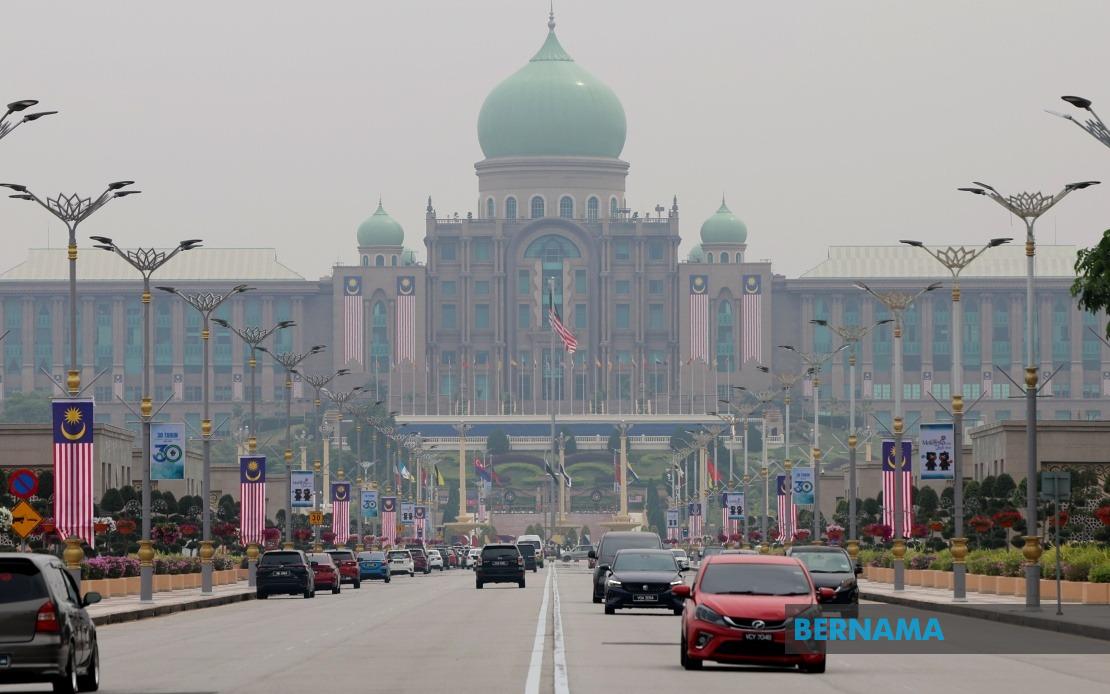
Malaysia has intensified calls for coordinated regional action to combat the growing threat of transboundary haze pollution across Southeast Asia, warning that atmospheric conditions are becoming increasingly favourable for widespread smoke and air quality degradation. Natural Resources and Environmental Sustainability Minister Datuk Seri Arthur Joseph Kurup conveyed Malaysia's position through an official communication to ASEAN Secretary-General Dr Kao Kim Hourn, urging member states to adopt a comprehensive, multi-layered approach to the persistent environmental challenge that has periodically disrupted life across the region.
The minister's appeal comes as meteorological monitoring reveals a concerning pattern of prolonged dry conditions settling over southern areas of ASEAN, a development that has already sparked a notable uptick in hotspot detection and associated haze formation. This timing is particularly worrying given scientific forecasts suggesting that the El Niño phenomenon, which tends to suppress rainfall and intensify drought conditions, is anticipated to strengthen progressively in the coming months. For Malaysia and other nations in the path of smoke plumes originating from biomass burning in neighbouring countries, such an outlook signals a potentially challenging period ahead unless preventive efforts are substantially amplified.
Kurup emphasised that while fire incidents remain contained within individual member states' borders at present, the transnational nature of haze pollution demands that governments view the problem through a regional lens rather than isolated national responses. The spatial and temporal unpredictability of smoke dispersal means that fires burning far from Malaysia's territory can still degrade air quality across the country within hours or days, depending on wind patterns and atmospheric conditions. This geographical reality underscores why bilateral or unilateral action, however robust, cannot fully address the issue without complementary efforts from source countries.
The minister outlined a specific framework for enhanced preparedness that hinges on strengthened surveillance of high-risk burning areas, tighter enforcement of existing bans on open burning practices, and ensuring that firefighting capabilities across the region remain at peak operational readiness. Malaysia's advocacy reflects lessons learned from previous haze episodes that have periodically affected Malaysian cities, sometimes pushing air quality indices to hazardous levels and triggering public health warnings. The experience has demonstrated that detection and rapid response, when coordinated across borders, can prevent minor fire incidents from escalating into region-wide pollution events.
Central to Malaysia's proposal is the acceleration of early intervention mechanisms, coupled with transparent and timely information exchange among ASEAN governments. The value of accurate, real-time data sharing cannot be overstated in a context where fire activity can change rapidly and smoke trajectories are shaped by complex meteorological variables. When countries operating independent monitoring systems lack robust channels for sharing hotspot information and fire situation assessments, critical windows for preventive action can be lost, allowing small incidents to develop unchecked.
The ASEAN Agreement on Transboundary Haze Pollution (AATHP), which forms the legal foundation for regional cooperation on this issue, provides the institutional framework for such coordinated efforts. Malaysia's statement notably endorses the proactive role being undertaken by the ASEAN Secretariat through its designation as the Interim ASEAN Coordinating Centre for Transboundary Haze Pollution Control (ACC THPC). This centralised coordination mechanism facilitates information dissemination, harmonises preparedness activities across member states, and strengthens the operational linkages that enable rapid collective response when haze threats emerge.
For Malaysian policymakers and the general public, the minister's message carries implications extending beyond immediate air quality concerns. Transboundary haze episodes impose measurable economic costs through reduced visibility affecting transportation and logistics, healthcare expenses arising from respiratory illness spikes, and productivity losses as workers struggle with poor air conditions. The agricultural sector, tourism, and international business confidence can all suffer when haze events become frequent or severe. By advocating for stronger preventive coordination now, Malaysia is essentially arguing for investment in regional resilience that protects economic interests across Southeast Asia.
The minister's confidence in ASEAN member states' commitment, while diplomatically phrased, reflects an underlying acknowledgement that previous haze episodes have catalysed genuine policy attention in key source countries. Indonesia, the largest ASEAN economy and historically the origin of significant transboundary haze events, has demonstrated willingness to cooperate on fire prevention, though implementation challenges and resource constraints have sometimes limited effectiveness. Malaysia's renewed push signals that sustained diplomatic pressure, framed around shared regional interests, remains essential to maintaining political will for the difficult work of monitoring vast territories and enforcing burning restrictions.
The reference to climate challenges represents an important analytical shift in how the region discusses haze pollution. Rather than treating transboundary haze as a discrete environmental problem, Malaysia is positioning it within the broader context of climate resilience and adaptation. As regional temperatures rise and weather patterns become increasingly variable due to climate change, the vulnerability to drought conditions and the associated fire risk appears likely to intensify. This reframing suggests that comprehensive regional responses must account for underlying climatic trends, not merely manage immediate fire seasons.
Looking ahead, Malaysia's advocacy for collective action through official ASEAN channels reflects confidence in multilateral institutions as vehicles for environmental governance. However, observers note that the effectiveness of such appeals ultimately depends on each member state's capacity and political will to implement stringent measures domestically. Countries with limited resources for hotspot monitoring, enforcement operations, or firefighting capabilities may struggle to meet elevated standards, potentially creating gaps in regional preparedness. Malaysia's engagement with the ASEAN Secretariat may therefore need to extend toward technical assistance and capacity-building support for more resource-constrained member states.
The current diplomatic initiative occurs as global attention to transboundary pollution has intensified, with air quality degradation recognised as a significant public health and development challenge across Asia. Malaysia's positioning on this issue influences not only immediate regional responses but also the country's standing in international environmental governance forums. By demonstrating leadership in advocating for prevention-focused, science-based regional cooperation, Malaysia reinforces its credentials as a responsible regional actor committed to environmental stewardship and cross-border collaboration.

