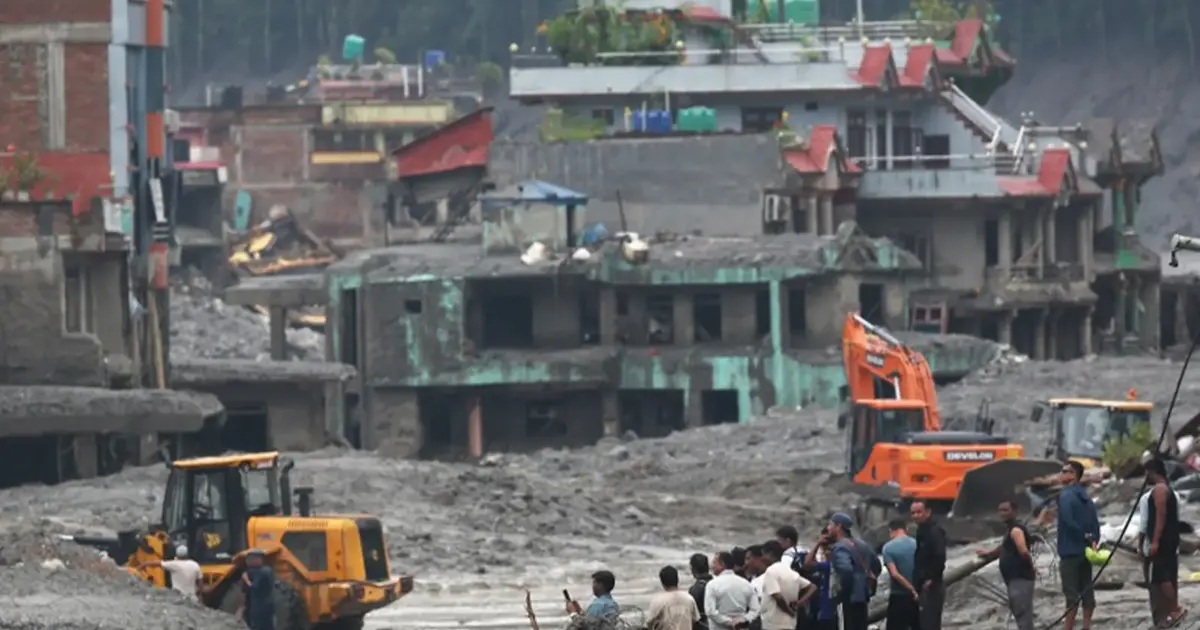
Malaysia will dispatch its specialized search and rescue team to Nepal in response to the devastating earthquake that has struck the Himalayan nation, according to Prime Minister Anwar Ibrahim. The Malaysian government, through coordination between domestic officials and their Nepali counterparts, is preparing to mobilize the team at the earliest opportunity to provide humanitarian assistance during this critical period.
The SMART team, which stands for Specialized Malaysian Assistance and Rescue Team, represents Malaysia's capacity for international disaster response. This unit comprises trained personnel equipped to conduct search and rescue operations, medical assistance, and emergency relief in earthquake-affected zones. The deployment underscores Malaysia's commitment to regional cooperation and humanitarian responsibility, extending support to neighbouring South Asian nations during natural disasters.
Prime Minister Anwar Ibrahim's announcement reflects the active coordination between Malaysia's government machinery and Nepali officials. The logistics of such deployment require careful planning to ensure rapid and effective arrival of personnel and equipment. Officials from both nations are working through diplomatic channels to expedite clearances and identify optimal deployment locations based on ground assessments of damage and humanitarian need in Nepal.
Nepal's vulnerability to seismic activity stems from its geographical position along the collision zone between the Indian and Eurasian tectonic plates. Historical earthquakes in the region, including the 2015 Gorkha earthquake that killed nearly 9,000 people, demonstrate the catastrophic impact such natural disasters inflict on the country's infrastructure, healthcare systems, and vulnerable populations. The arrival of international rescue teams like Malaysia's SMART unit has proven invaluable in such circumstances for supplementing local emergency response capacity.
Malaysia's engagement in international disaster relief reflects a broader strategic approach to regional stability and soft power. By providing specialized technical assistance during humanitarian crises, Malaysia strengthens bilateral relationships and positions itself as a dependable partner in the Southeast and South Asian regions. This approach aligns with ASEAN's established frameworks for disaster management and humanitarian cooperation, though Nepal lies outside ASEAN membership.
The timing of deployment is crucial in earthquake response operations. The initial 72-hour window following a major seismic event represents the period when search and rescue efforts yield the highest survival rates. Malaysian officials are prioritizing speed without compromising the careful coordination necessary for effective international relief operations. This involves confirming the specific requirements on the ground, arranging transportation routes, and ensuring the SMART team arrives with appropriate equipment suited to Nepal's terrain and infrastructure conditions.
Such missions typically involve multiple phases of operation. Initial teams focus on locating survivors trapped in building collapse zones and providing emergency medical stabilization. Subsequent waves bring additional medical personnel, engineers for structural assessment, and logistical support to sustain extended relief operations. Malaysia's willingness to commit resources to this effort demonstrates recognition of the principle that international humanitarian response strengthens the resilience of the broader regional community.
The coordination between Malaysian and Nepali governments also touches on practical matters of border clearance, customs procedures for equipment, and liaison with Nepal's own disaster management authorities. The Nepali government, despite its own institutional challenges during crisis periods, maintains relationships with regular international partners to streamline such assistance. Malaysian diplomatic missions in Kathmandu and throughout South Asia play a facilitating role in accelerating these bureaucratic processes.
For Malaysian readers, this deployment represents an extension of the nation's humanitarian values and technical capabilities. It also underscores the interdependence of regional nations in facing natural disasters that transcend borders and political boundaries. The investment in maintaining the SMART team's readiness reflects a policy consensus that international humanitarian work strengthens Malaysia's standing and influence in regional forums.
The announcement comes as Nepal faces immediate challenges in accounting for casualties, assessing the scale of infrastructure damage, and mobilizing rescue resources. International assistance, including Malaysia's contribution, will supplement the efforts of Nepali rescue workers and military personnel who are already engaged in emergency response operations. The coordination of multiple international teams requires careful management to ensure complementary efforts rather than duplication or logistical confusion.
Prime Minister Anwar Ibrahim's personal involvement in announcing the deployment signals the Malaysian government's priority on this humanitarian matter. Such high-level attention facilitates rapid decision-making and resource allocation necessary for quick team mobilization. It also communicates to the international community Malaysia's active participation in the global humanitarian response network.

