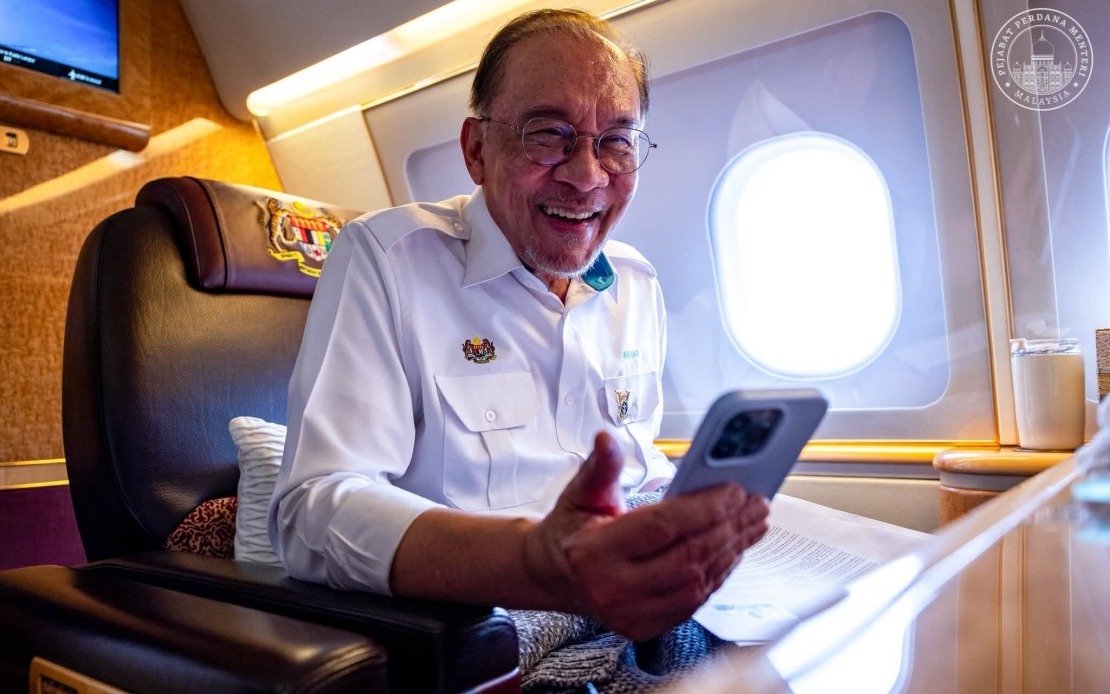
Malaysia is preparing to welcome the Formula 1 circus back to the Sepang International Circuit for the first time since 2015, with Prime Minister Datuk Seri Anwar Ibrahim confirming the country will host the Formula 1 Gulf Air Bahrain Grand Prix from October 2 to 4. The return of grand prix racing to Malaysian soil represents a significant moment for the nation's sporting credentials and its ambitions to position itself as a regional hub for major international events.
The arrangement comes as Bahrain, which typically hosts a home race on its calendar, has arranged for the event to be held in Malaysia this year. This unique collaboration underscores the growing diplomatic and strategic partnerships within the Middle East and Southeast Asia region, with Anwar having personally engaged with Crown Prince and Prime Minister of Bahrain Prince Salman Hamad Al Khalifa and Formula 1 President and Chief Executive Officer Stefano Domenicali to facilitate the agreement.
For Malaysia, the decision to host the prestigious race carries implications beyond the sporting spectacle itself. The country views this as an opportunity to demonstrate its ability to orchestrate world-class international events with the requisite infrastructure, logistical expertise and hospitality standards that major global competitions demand. The nine-year gap since the last Malaysian Grand Prix at Sepang represents a period during which the circuit has undergone various upgrades and the broader sporting ecosystem has evolved considerably.
The bilateral dimension of this arrangement is particularly noteworthy. Anwar's statements emphasise that the event transcends a mere commercial transaction between racing organisations, instead framing it as a manifestation of deeper ties between Malaysia and Bahrain. The language of mutual trust and enduring friendship suggests that geopolitical considerations and regional alliance-building have played a role in facilitating the agreement, reflecting how major sporting events increasingly serve as vehicles for diplomatic engagement in Southeast Asia and beyond.
From a tourism and economic perspective, hosting a Formula 1 grand prix generates substantial spinoff benefits for the host nation. The event attracts international media attention, brings high-spending visitors to the country, and provides opportunities for Malaysian businesses to showcase their capabilities on a global stage. The Sepang International Circuit has been meticulously maintained since its last F1 hosting in 2015, with improvements made to facilities and accessibility to ensure it meets contemporary standards demanded by the sport's governing body, the International Automobile Fédération (FIA).
The decision also carries symbolic weight for Malaysia's broader agenda of economic diversification and positioning the country as a competitive destination for international investment and tourism. Emerging from various global challenges that have impacted the events industry, Malaysia's capacity to attract and deliver a Formula 1 race signals business confidence and operational readiness. The prime minister's personal involvement in the diplomatic negotiations highlights the government's commitment to securing and retaining marquee international events as part of its national development strategy.
It is worth noting that Bahrain's decision to stage its grand prix in Malaysia rather than on its home circuit, while unusual, may reflect various considerations including scheduling constraints within F1's packed global calendar or specific infrastructure or operational factors that made Malaysia the preferred venue for this particular year. Regardless of the underlying reasons, the arrangement demonstrates the flexibility and adaptability of F1's scheduling and venue arrangements in response to diplomatic and operational realities.
The October dates selected fall within Malaysia's relatively favourable weather window, avoiding the monsoon season that can complicate outdoor sporting events. This timing also positions the race in the final quarter of the F1 season, when championship outcomes are often being decided and global interest in the sport peaks, potentially maximising media coverage and audience engagement for both Malaysia and Bahrain.
Looking ahead, the successful hosting of this event could position Malaysia favourably for future negotiations to secure additional races or other major international sporting events. The experience gained and relationships cultivated through this collaboration may open doors to hosting other prestigious competitions that contribute to the nation's reputation as a capable and welcoming venue for world-class sporting spectacles. For Malaysian motorsport enthusiasts and the broader sports community, the return of Formula 1 after nearly a decade away represents a long-awaited homecoming that promises memorable moments and tangible economic benefits for the host regions.

