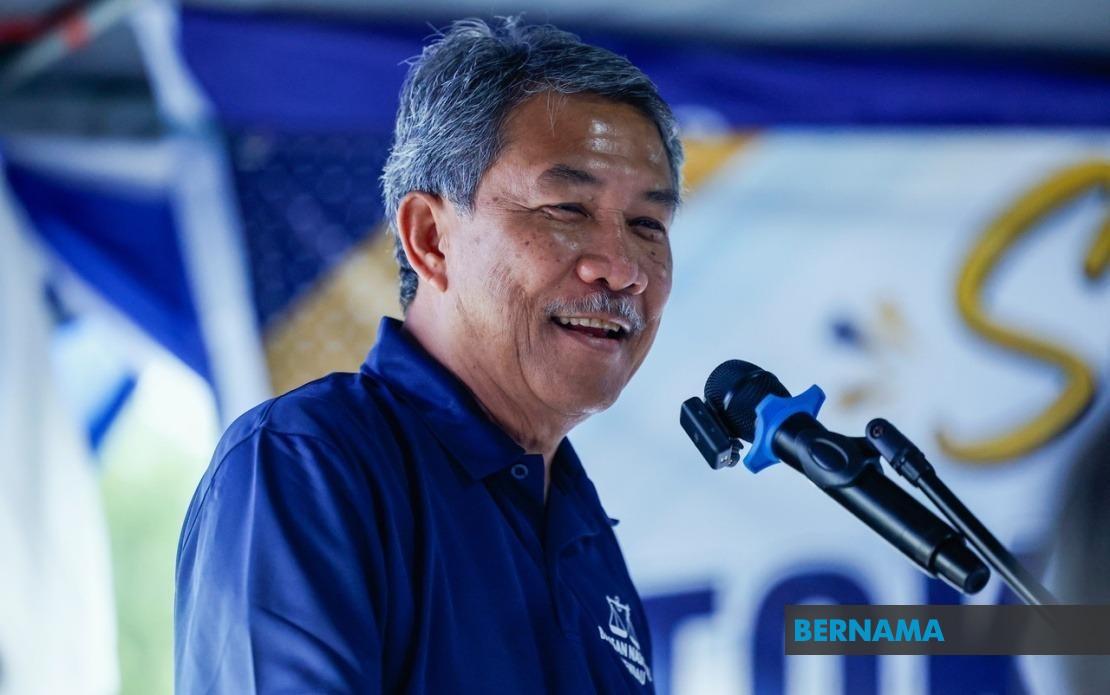
Malaysia has formally reconfirmed its longstanding policy of denying recognition to Israel, with Foreign Minister Datuk Seri Mohamad Hasan emphasising that this position represents a consistent and unwavering stance rather than any recent development. The reaffirmation was made following official engagement between Malaysia's diplomatic mission and the United States government, highlighting the continued diplomatic tension surrounding this contentious issue in bilateral relations between Kuala Lumpur and Washington.
Mohamad explained that Malaysia's Ambassador to the United States, Tan Sri Muhammad Shahrul Ikram Yaakob, had been called in by the US State Department to clarify Malaysia's position on recognising Israeli statehood. During this exchange, the ambassador made clear to American officials that Malaysia's approach was not a novel or reactive policy but rather reflected decades of consistent foreign policy doctrine. The Foreign Minister characterised the government's handling of the matter as appropriate and measured, suggesting that Malaysia was engaging with Washington through proper diplomatic channels.
The immediate catalyst for this latest reaffirmation involved an incident wherein a dual citizen holding both American and Israeli passports entered Malaysia using his US credentials. Upon subsequent verification by Malaysian authorities, officials discovered the individual also possessed Israeli citizenship. In accordance with Malaysia's immigration framework, which operates on the principle of not recognising Israeli travel documents or citizenship, the government requested his departure. This enforcement action, while routine application of existing policy, sparked considerable international attention and criticism from members of the American Congress.
Mohamad underscored that Malaysia's immigration and foreign recognition policies have remained consistent for an extended period. The government does not recognise the State of Israel or acknowledge what Malaysia refers to as the Zionist regime. This terminology and the policy stance it reflects have deep historical roots in Malaysia's foreign policy architecture, shaped by the country's broader regional perspectives and solidarity positions within the Muslim-majority nations of Southeast Asia and the Organisation of Islamic Cooperation.
Prime Minister Datuk Seri Anwar Ibrahim had previously reiterated Malaysia's commitment to this policy position just one day before Mohamad's statement, effectively reinforcing governmental unity on the matter. Anwar articulated that Malaysia would persistently maintain entry restrictions on Israeli nationals regardless of external pressure or objections raised by foreign legislators. He grounded this commitment in Malaysia's broader human rights framework, emphasising the country's dedication to safeguarding the rights of Palestinians and opposing what he characterised as continuing Israeli aggression, military operations, and civilian casualties in Gaza.
The diplomatic friction intensified when eight Democratic members of Congress formally petitioned the US Secretary of State, expressing their dissatisfaction with Prime Minister Anwar's decision to immediately expel the Israeli citizen from Malaysian territory. The lawmakers involved—Greg Landsman, Josh Gottheimer, Jimmy Panetta, Dan Goldman, Debbie Wasserman Schultz, Jared Moskowitz, Brad Sherman, and Jake Auchincloss—represented a coordinated effort within the American legislature to challenge Malaysia's enforcement of its non-recognition policy through direct correspondence with the State Department.
For Malaysian observers and policymakers, this episode underscores the persistent tension between Malaysia's principled stance on Palestinian rights and the expectations of American officials regarding universal freedom of movement and non-discriminatory immigration practices. The situation reflects a fundamental divergence in how different nations approach the Israeli-Palestinian conflict, with Malaysia maintaining that its immigration policies are an expression of national sovereignty aligned with its foreign policy values and regional commitments.
The reaffirmation also carries domestic political significance within Malaysia's complex multiethnic and multireligious context. The government's consistent messaging on this issue appeals to Malaysia's substantial Muslim population and aligns with the country's established role as an advocate for Palestinian causes within international forums. However, it simultaneously complicates Malaysia's economic and security relationships with Western nations, particularly the United States, which remains a significant trading partner and security ally in regional affairs.
From a regional perspective, Malaysia's unyielding position reflects broader patterns within Southeast Asia, where solidarity with Palestinian causes remains a significant factor in foreign policy despite the region's diverse ties with Western powers. Other Muslim-majority nations in the region have adopted varying approaches, creating a nuanced diplomatic landscape wherein Malaysia's stance occupies a distinctly principled but potentially isolating position relative to some regional neighbours and Western interlocutors.
The incident demonstrates how immigration enforcement, typically a routine administrative function, can escalate into high-level diplomatic engagement when identity politics and regional conflicts intersect. Malaysia's decision to enforce its non-recognition policy rather than make exceptions for dual-nationality individuals signals that the government views this principle as non-negotiable regardless of potential diplomatic consequences. This firmness suggests that any resolution to tensions with Washington would require American acceptance of Malaysia's policy framework rather than Malaysian compromise on its stated principles.
Looking forward, this situation likely foreshadows continued periodic friction between Malaysia and the United States on this particular policy dimension, absent any fundamental shift in either nation's position on the Israeli-Palestinian question. The matter also raises questions about how Malaysia will navigate similar situations involving other dual-nationality individuals and whether the government will face increased pressure from Washington to relax its immigration stance as a condition of deepening bilateral cooperation in other strategic areas.
For Malaysia's diplomatic corps and political leadership, the challenge lies in articulating and defending this policy position while simultaneously maintaining constructive engagement with the United States on issues where bilateral interests align, such as regional security, trade, and counter-terrorism cooperation. The consistency demonstrated by both Anwar and Mohamad in recent statements indicates that the Malaysian government views this as a core principle around which there is broad consensus across the political establishment, despite potential economic and strategic costs associated with maintaining this position.

