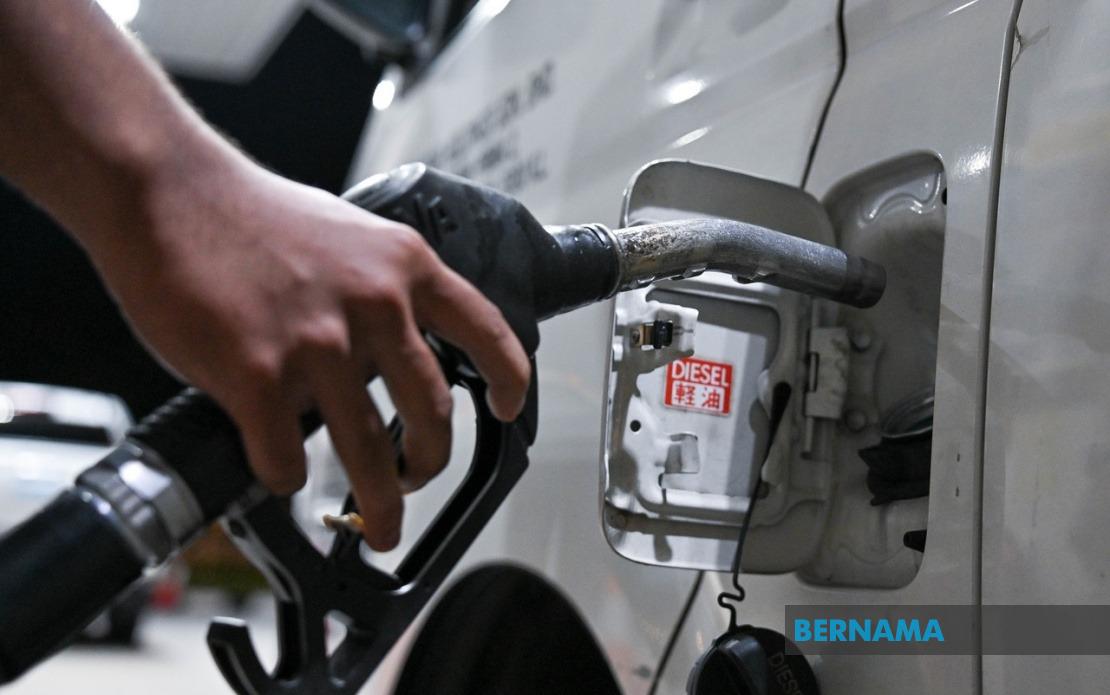
The Ministry of Domestic Trade and Cost of Living has ended longstanding restrictions on diesel sales to commercial transport operators in Sabah, Sarawak, and the Federal Territory of Labuan, dismantling purchase caps that previously limited buyers to between 50 and 150 liters. The policy change takes effect July 1, marking a significant shift in how the government manages fuel subsidies across the eastern Malaysian regions.
According to Datuk Azman Adam, the ministry's Director-General of Enforcement, the revocation responds directly to Prime Minister Datuk Seri Anwar Ibrahim's announcement on June 21 establishing a unified subsidised diesel price of RM2.10 per litre nationwide through the BUDI Diesel Programme. This standardisation eliminates the rationale for purchase quantity controls that previously differentiated the eastern states from peninsular Malaysia, where similar restrictions were not applied with the same rigidity.
The timing reflects a broader policy recalibration designed to simplify fuel distribution mechanics across Malaysia's three time zones and geographic divisions. By harmonising subsidy structures and removing administrative purchase restrictions simultaneously, the government aims to reduce friction in supply chains that have become increasingly complex under tiered pricing systems. The previous directive, issued on March 27, 2026, had created operational challenges for petrol station operators and created inconsistencies that authorities acknowledged were difficult to enforce uniformly.
Central to this reform is a new authentication mechanism requiring eligible diesel buyers to present their MyKad identification cards at petrol stations beginning July 1. This digital verification approach represents an evolution from simple volume-based controls to identity-based eligibility screening, fundamentally changing how authorities determine who qualifies for subsidised fuel rather than relying on transaction size as a proxy for legitimacy. The system targets intended beneficiaries—particularly commercial transport operators—while theoretically preventing fuel subsidy leakage to unqualified consumers or informal resale networks.
For Malaysian road transport operators, the practical implications are substantial. Trucking companies, long-distance bus services, and commercial logistics providers have long complained that purchase caps forced inefficient refuelling patterns, requiring multiple stops and creating scheduling complications. Removing these restrictions should permit operators to fuel more strategically, reducing deadheading costs and improving vehicle utilisation across the transport sector. This operational flexibility carries economic ripple effects through reduced shipping costs that ultimately affect consumer prices for goods transported across Malaysian highways.
The MyKad-based system introduces new considerations for petrol station management and government oversight. Station operators must integrate identity verification into their point-of-sale systems, requiring modest technological investment and staff training. From a regulatory perspective, this mechanism generates transaction-level data linking fuel purchases to individual citizens, creating an audit trail that theoretically enhances the government's ability to detect fraudulent subsidy claims or unusual purchasing patterns. However, such centralised tracking also raises questions about data privacy and the scope of government monitoring embedded in routine commercial transactions.
East Malaysian stakeholders, particularly in resource-extraction and agricultural sectors reliant on heavy transport, have expressed optimism about the changes. Sabah and Sarawak maintain substantially larger geographic distances between population centres compared to Peninsular Malaysia, making efficient refuelling logistics commercially critical. The removal of purchase caps addresses long-standing grievances from regional businesses arguing they faced disadvantages compared to their counterparts in Kuala Lumpur or Johor Bahru, where fuel availability has never been constrained by similar restrictions.
The fiscal dimension merits attention as well. The BUDI programme's fixed subsidy price of RM2.10 per litre represents the government's commitment to fuel price stability, sheltering transport operators and consumers from global crude oil volatility. By standardising this price across regions and removing administrative restrictions simultaneously, the government signals confidence that identity-based verification can protect subsidy expenditure without quotas. If the MyKad system functions as intended, it could serve as a template for other subsidy programmes currently managed through less sophisticated controls.
The ministry has explicitly requested that all licensed fuel retailers in Sabah, Sarawak, and Labuan comply with the new framework from July 1 onward. This directive carries implicit expectations that petrol stations will implement necessary technical upgrades and staff education to execute the MyKad verification process smoothly. Retailers who fail to adapt risk operating outside legal parameters, creating exposure to regulatory enforcement action during what authorities anticipate will be a transitional period requiring operational adjustment.
Broader policy patterns suggest this reform reflects the government's preference for technology-enabled verification over traditional administrative controls. Similar shifts toward digital identity integration appear across multiple ministerial portfolios, indicating a strategic direction toward data-driven governance. For Malaysian businesses and citizens, this trajectory means increasing integration of identity credentials into everyday commercial transactions, raising both efficiency gains and surveillance considerations that deserve public scrutiny.
The success of this policy change ultimately depends on execution reliability. If the MyKad system experiences technical failures or becomes operationally burdensome for petrol station staff, transport operators may encounter unexpected fuel purchase delays that undermine the intended benefits. Conversely, if the government successfully implements the system, it could demonstrate that identity-based verification can replace volume-based rationing while maintaining subsidy programme integrity. The next several months will reveal whether this technological approach genuinely improves fuel distribution efficiency or introduces new operational challenges for Malaysia's transport sector.

