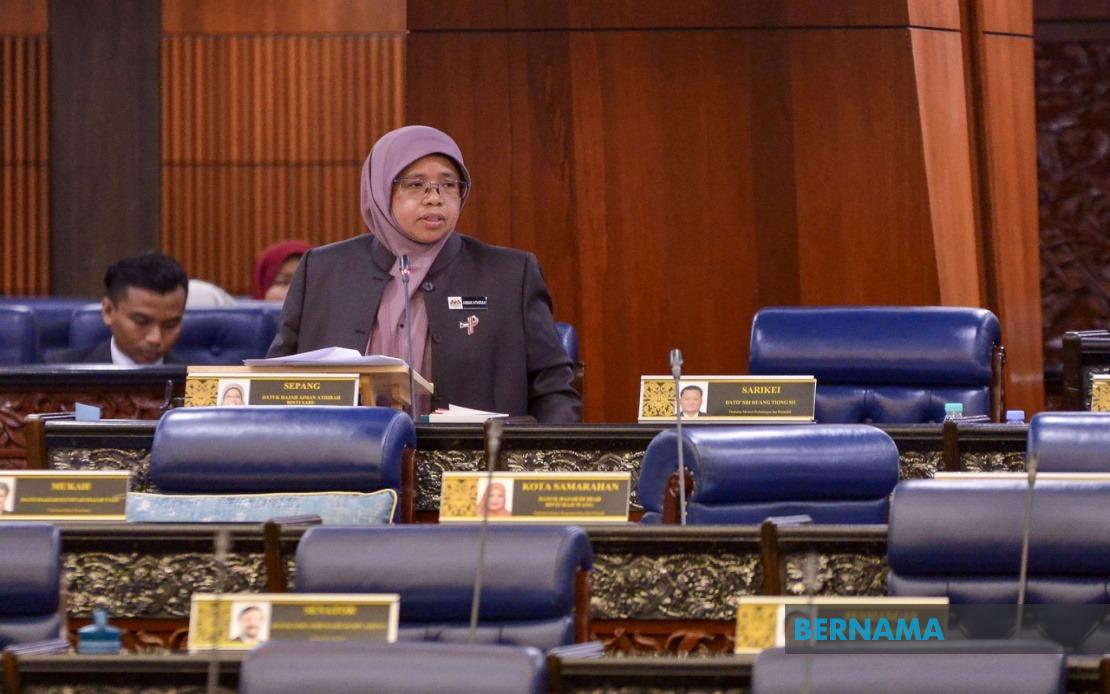
The Malaysian government is fundamentally reshaping its approach to housing development by anchoring planning decisions in comprehensive statistical evidence rather than market speculation, Deputy Housing and Local Government Minister Datuk Aiman Athirah Sabu announced during parliamentary debate on July 14. This shift towards evidence-based policymaking represents a significant response to persistent criticisms that Malaysia's housing sector has struggled with chronic oversupply in some areas and acute shortages in others, driving prices beyond the reach of ordinary citizens.
The intelligence underpinning this new planning methodology draws from multiple authoritative sources, including granular data from the Department of Statistics Malaysia, transaction records maintained by the National Property Information Centre, urban development patterns tracked by the Malaysian Urban Observatory, and comprehensive housing applications from various government agencies. By synthesising these datasets, policymakers can now identify specific gaps between where homes are being built and where households actually need them, tailoring development decisions to regional demographics, income distributions, and employment patterns. This represents a deliberate departure from project-led construction that has historically created ghost developments and speculation-driven bubbles across Malaysian states.
The government recognises that eliminating supply-demand mismatches requires coordination across federal and state jurisdictions, traditionally a governance challenge in Malaysia's federal system. To overcome this fragmentation, the Prime Minister now chairs the National Affordable Housing Council, a policy coordination body tasked with harmonising affordable housing initiatives across regions and resolving inter-governmental conflicts over housing provision. This institutional arrangement signals that affordable housing has been elevated to Cabinet-level strategic importance, moving beyond routine ministerial administration.
A critical measure of the government's commitment to addressing housing dysfunction has been the establishment of the Special Task Force on Delayed, Sick and Abandoned Private Housing Projects in December 2022. By May 2026, this task force had successfully revived 1,615 projects encompassing 190,422 residential units with a combined gross development value of RM150.8 billion. The scale of this achievement underscores the severity of Malaysia's stalled housing crisis, where hundreds of thousands of buyers had paid deposits for homes that remained incomplete for years, tying up capital and eroding confidence in the property sector.
Reviving these abandoned projects addresses multiple economic problems simultaneously. First-time homebuyers who had been locked into contracts for non-existent properties regain the prospect of completing their purchases. Contractors and developers facing financial distress from uncompleted work can resume operations. Local economies in development zones experience renewed construction activity and employment. However, the task force's success also reveals the fragility that accumulated in Malaysian housing markets when projects were launched without adequate feasibility assessment or financial backing.
Looking forward, the government is finalising the National Housing Policy 2026-2035, which introduces a more sophisticated framework for determining what constitutes "affordable" housing in different regions. Rather than applying uniform price thresholds across Malaysia, the new policy will benchmark affordability against local median household income data collected through the 2024 Household Income and Basic Amenities Survey. This granular approach acknowledges that a house costing RM300,000 may be affordable in rural Kelantan but unattainable for workers in Kuala Lumpur's service sectors, where incomes differ substantially from property prices.
The Housing and Local Government Ministry is currently mapping affordable housing price bands using district-level household income data, creating a detailed atlas of where various price points align with local purchasing power. This methodology represents a significant analytical upgrade from previous approaches that often relied on assumptions about affordability rather than empirical income surveys. Malaysian policymakers have recognised that sustainable housing systems cannot be built on aspirational pricing; they must reflect what ordinary families actually earn.
Addressing the broader affordability squeeze facing first-time buyers, Deputy Minister Aiman Athirah emphasised that the government considers total housing costs beyond mere purchase prices. Renovation and maintenance expenses represent substantial outlays that many buyers underestimate, yet they directly impact whether a home becomes a financial burden or a reasonable investment. The government has expanded the Housing Credit Guarantee Scheme to address this reality, now offering guarantees covering up to 120 per cent of a property's value, with the additional 20 per cent buffer available specifically for renovation and ancillary costs.
This financing innovation reflects recognition that first-time buyers entering the market often lack reserves to cover both purchase and improvement costs simultaneously. By extending guarantee coverage to renovation expenses, the scheme reduces the likelihood that buyers will purchase homes they cannot adequately complete, preventing the creation of substandard dwellings and protecting buyer welfare. The policy also implicitly acknowledges that construction standards in lower-cost housing segments have historically been variable, requiring post-purchase improvements that stretch buyer budgets.
The government's multi-layered approach to housing reform addresses supply-side inefficiencies, demand-side affordability constraints, and institutional coordination failures that have plagued Malaysia's residential sector. Evidence-based planning reduces wasteful construction; the task force resurrects value trapped in failed projects; income-adjusted affordability benchmarks prevent pricing disconnects; and enhanced financing guarantees remove obstacles for working families. However, these measures' long-term effectiveness depends on sustained implementation and whether state governments, which control land and zoning, fully align with federal policy objectives.
For Malaysian homebuyers and investors, these developments signal that government intervention is becoming more systematic and data-informed. The trajectory suggests a gradual shift from reactive crisis management towards preventative policy architecture. Yet the 1,615 revived projects themselves constitute a cautionary tale: Malaysia's housing sector accumulated this backlog despite numerous previous policy initiatives, indicating that even well-designed frameworks can fail without rigorous enforcement, adequate financing, and aligned incentives across public and private actors.
The implications extend beyond housing policy to broader questions about economic resilience. When hundreds of thousands of citizens have deposits locked in abandoned properties, consumer confidence erodes, discretionary spending contracts, and household balance sheets deteriorate. The successful revival of these projects thus represents a form of delayed economic stimulus, unlocking both physical housing stock and household purchasing capacity. Whether the National Housing Policy 2026-2035 can prevent future accumulation of abandoned projects while simultaneously making homeownership accessible to Malaysia's growing middle and working classes remains the critical test of government housing reform.

