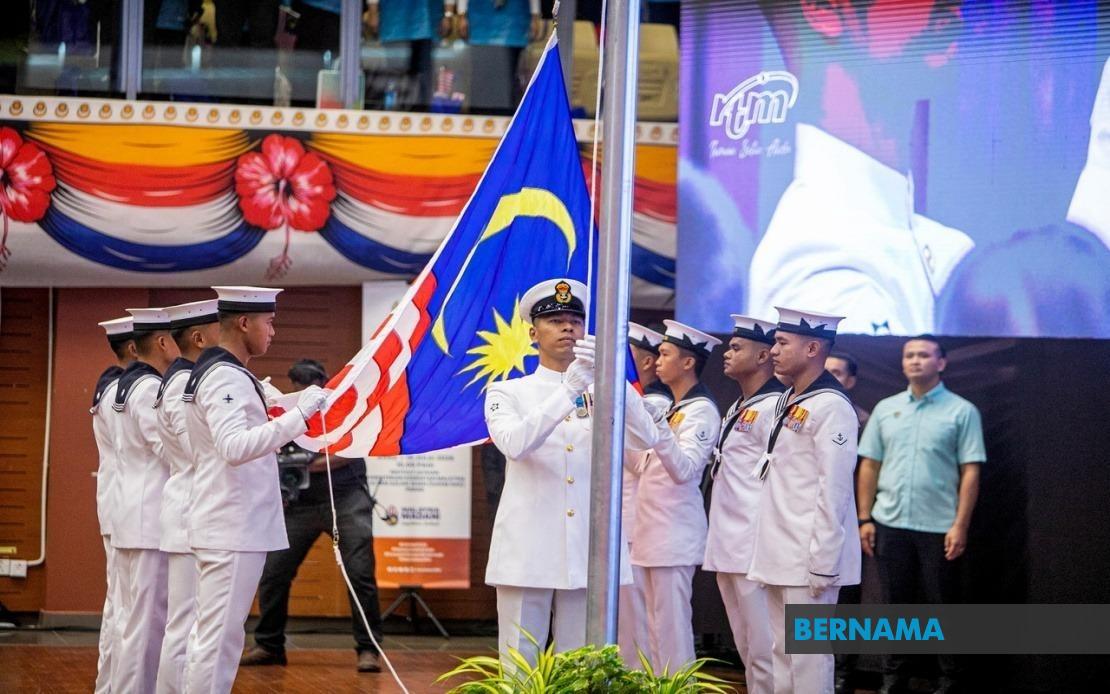
The ceremonial raising of Malaysia's national flag has made its return as a centrepiece of the 2026 National Month celebrations, marking a symbolic rebound for one of the nation's most recognizable patriotic traditions. Prime Minister Datuk Seri Anwar Ibrahim led the revival at the Sultan Azlan Shah Ministry of Health Training Institute in Tanjung Rambutan, Ipoh, where the flag-raising ceremony took centre stage following an absence of two years. The event underscored the government's intention to reinvigorate public expressions of national pride as the country approaches two significant national observances later in the year.
The ceremony served as the official inauguration point for both the 2026 National Month celebrations and the broader Fly the Jalur Gemilang campaign, which calls upon Malaysians to display the national flag as an emblem of patriotic sentiment and national cohesion. By positioning the flag-raising as the opening act of these festivities, authorities signalled their commitment to restoring ceremonial practices that had been suspended during the pandemic period. The decision to resurrect this tradition reflects a broader national effort to reconstruct community-centred observances and reinforce collective identity markers that had been disrupted.
The Prime Minister formally inaugurated the nationwide campaign before presenting the Jalur Gemilang to a nine-member contingent from the Royal Malaysian Navy's Lumut Base, led by Chief Petty Officer Mohamad Razif Aliff Md Yusof. This handover functioned as a symbolic passage of responsibility, transferring the flag from federal leadership to the armed forces and, by extension, to the entire nation. The Navy team subsequently hoisted the flag, which measured 1.82 metres by 3.65 metres, while attendees joined in singing the national anthem Negaraku, creating a moment of collective participation in the patriotic observance.
The ceremony incorporated additional elements designed to deepen the patriotic atmosphere and engage participants across different registers of national identity. A trainee named Muhammad Ammar Mohd Asri recited the Rukun Negara pledge, reinforcing the foundational principles upon which the nation was established. Meanwhile, guests maintained a respectful standing posture throughout the anthem performance, a gesture that transformed the ceremony into a participatory act rather than a passive viewing experience. These layered components worked in concert to create a multisensory engagement with national symbolism and values.
The flag-raising initiative sits within a longer historical context of national observance in Malaysia. The annual National Month campaign represents an established governmental practice of channelling public sentiment toward visible displays of patriotism during the months leading to National Day and Malaysia Day celebrations. By reviving the raising ceremony specifically, planners sought to inject renewed ceremonial weight into these campaigns, potentially appealing to citizens who appreciate formal, structured expressions of national identity. The two-year gap had created space for reflection on how such traditions might be recalibrated for contemporary audiences without losing their symbolic resonance.
In tandem with the ceremony, authorities unveiled the official theme song for the 2026 celebrations, "Aku Berjanji", composed and performed by acclaimed Malaysian artist Faizal Tahir. The track became available for public download through the Merdeka360 portal immediately following its premiere at the event, enabling widespread digital dissemination and allowing citizens to engage with the campaign's messaging through popular music. This multimedia approach acknowledges that patriotic sentiment in modern Malaysia operates across multiple platforms and sensory channels, from traditional flag ceremonies to digital music streaming services.
The 2026 National Month campaign will unfold across several months, building momentum toward the dual observances of National Day on August 31 and Malaysia Day on September 16. Throughout this extended period, various patriotic programmes and activities will take place throughout the country, providing multiple opportunities for citizen participation and community engagement. The extended campaign calendar reflects a strategic approach to sustaining national sentiment across time, moving beyond one-day celebrations toward month-long immersive experiences of patriotic messaging.
For Malaysian readers and regional observers, the revival of the Jalur Gemilang ceremony carries implications for how the nation continues to negotiate its post-pandemic identity and institutional restoration. The decision to restart this particular tradition demonstrates governmental confidence in the public appetite for formal ceremonial practices and collective patriotic expression. It also signals continuity with pre-pandemic governance styles at a moment when many institutions have undergone structural reassessment following extended closures and social distancing requirements.
The flag-raising ceremony's return may resonate differently across Malaysia's diverse population, serving some communities as a straightforward expression of national belonging while inviting others to reflect on whose vision of patriotism such ceremonies represent. By anchoring the 2026 campaign in both traditional ceremonial forms and contemporary digital distribution channels, authorities attempt to bridge generational and cultural divides in how Malaysians connect with national identity. The participation of uniformed service members, government officials, and ordinary citizens in a shared moment creates a constructed consensus around particular expressions of belonging, though the meanings individuals derive from participation may vary considerably.

