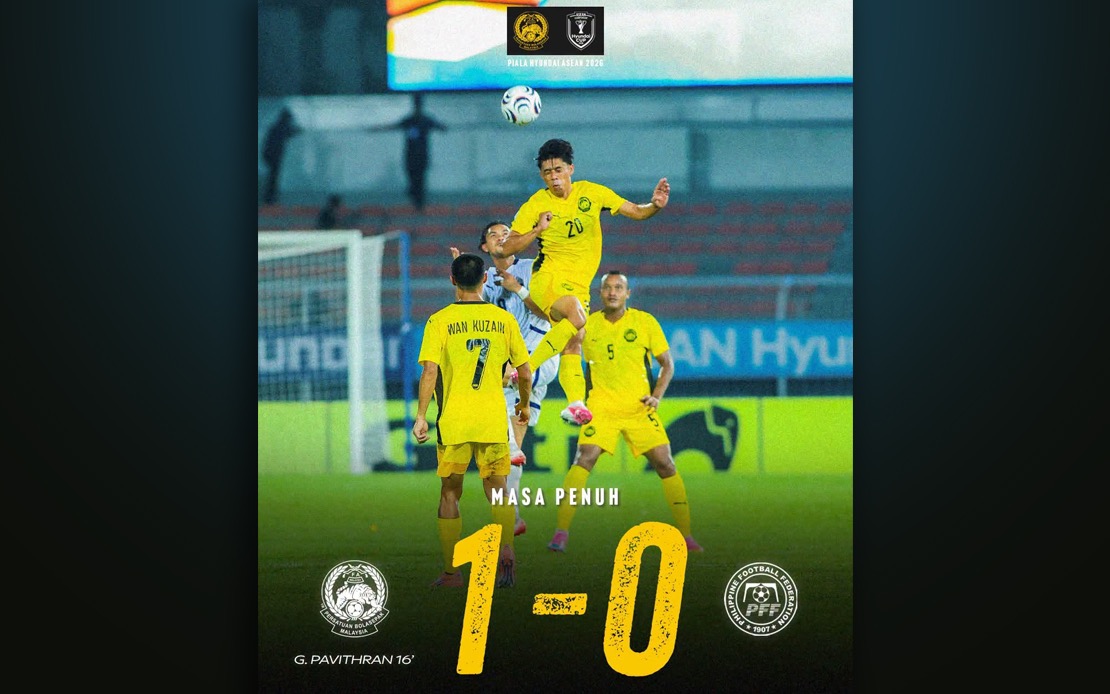
Malaysia's national football team has booked its passage to the semi-finals of the 2026 ASEAN Cup, clinching the decisive Group B fixture with a 1-0 victory over the Philippines on August 8 at the Kuala Lumpur Football Stadium in Cheras. The emphatic win under interim head coach Tan Cheng Hoe's stewardship ensures Harimau Malaya will progress to the knockout rounds as the group's second-placed finisher, setting up a mouth-watering confrontation with defending champions Vietnam in the latter stages of the tournament.
The Malaysian side entered the match with a singular objective: securing maximum points to confirm their advancement. That clear focus translated into a display marked by purposeful attacking intent and tactical discipline, characteristics that have become increasingly important as Southeast Asian football grows more competitive. The home crowd, draped in black and yellow and numbering around 18,000 inside the stadium's capacity venue, provided the kind of atmospheric support that has historically galvanised Malaysian football performances in crucial fixtures.
The breakthrough arrived early through G. Pavithran in the 16th minute. The goal stemmed from a delivery sent into the Philippines penalty area by midfielder Wan Kuzain Wan Ahmad Kamal, which Pavithran met decisively with a header to put Malaysia ahead. This early advantage proved psychologically important, allowing the hosts to dictate play and forcing the visiting Filipinos into a reactive posture for much of the opening half. Malaysia's superiority in possession and territorial control was evident as the Philippines, under coach Carles Cuadrat, struggled to impose themselves on the contest.
While Cuadrat's side gradually improved their intensity as the first half progressed, they found little success in breaking through Malaysia's organised defensive shape. The absence of cutting-edge finishing proved costly for the Filipinos, who generated some opportunities but lacked the precision required to test Malaysian goalkeeper Mohamad Izwan Bin Mahbud convincingly. Malaysia maintained their composure and structural integrity, denying the Philippines any genuine clear-cut chances before the interval whistle sounded.
The second half witnessed a more aggressive Philippines outfit emerging with renewed determination to claw back into the contest. Cuadrat made tactical adjustments aimed at unsettling Malaysia's defensive equilibrium and generating more attacking thrust. However, the resilience of the Malaysian backline, anchored by captain Paulo Josue's commanding presence, proved sufficient to repel the Philippines' mounting pressure. The visitors' desperation to find an equaliser occasionally left them vulnerable to the counter-attack, though Malaysia failed to capitalise on such opportunities to extend their lead.
Pavithran came close to doubling Malaysia's advantage in the 85th minute when he received a low cross from a teammate within the Philippines penalty area. The moment represented a genuine opportunity to seal the contest definitively, but Philippines defender Jaime Rosquillo's intervention prevented the striker from finishing the chance. That missed second goal nonetheless proved immaterial to the final outcome, as Malaysia held firm through the closing stages to secure the three points with no further alarms.
The victory propelled Malaysia to nine points accumulated across their Group B campaign, a total sufficient to guarantee their qualification as runners-up behind Thailand. The War Elephants, who collected 12 points in Group B after defeating Myanmar 2-0 in their final fixture, topped the pool and also advanced to the semi-finals. This outcome means the group's top two teams—both Thailand and Malaysia—will contest the knockout phase, a result that strengthens Southeast Asia's competitive representation and sets the stage for increasingly high-calibre matches ahead.
Malaysia's path to the final now runs directly through defending champions Vietnam, who topped Group A. The semi-final encounters between these traditional rivals are scheduled for August 16 and August 19, with the two-leg format demanding sustained intensity and tactical acumen across both matches. Vietnam's status as tournament holders adds considerable weight to the fixture, as does the historical significance of Malaysia-Vietnam clashes in regional football competition.
For Malaysian football stakeholders and supporters, this qualification represents validation of the interim management approach under Tan Cheng Hoe, whose tactical flexibility and ability to galvanise squad spirit have proven effective during a transitional period. The win over the Philippines showcased the kind of organised, purposeful football that could trouble even the experienced Vietnamese side, though the challenge ahead will test Malaysian resilience against opponents of superior pedigree and recent championship experience.
The progression also carries broader implications for Malaysian football's trajectory within Southeast Asia. A strong showing against Vietnam could elevate Malaysia's standing within the regional hierarchy and provide momentum heading into future ASEAN Cup editions and other continental competitions. For now, however, all focus rests on the forthcoming semi-final double-header, where Harimau Malaya must sustain their current form whilst navigating the tactical sophistication that Vietnam's championship-winning setup will undoubtedly bring to the contest.

