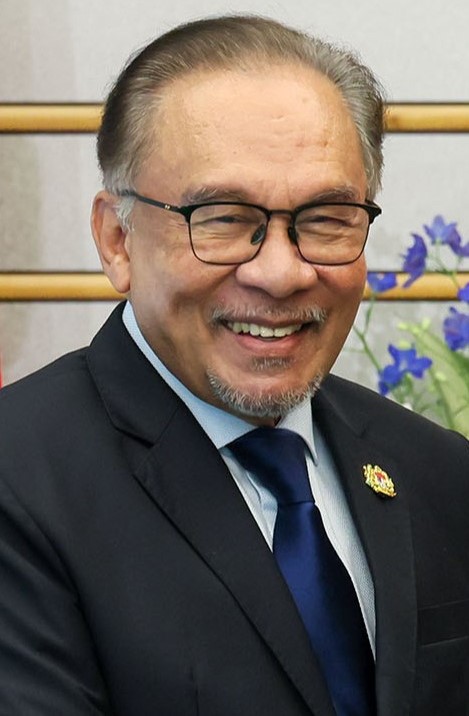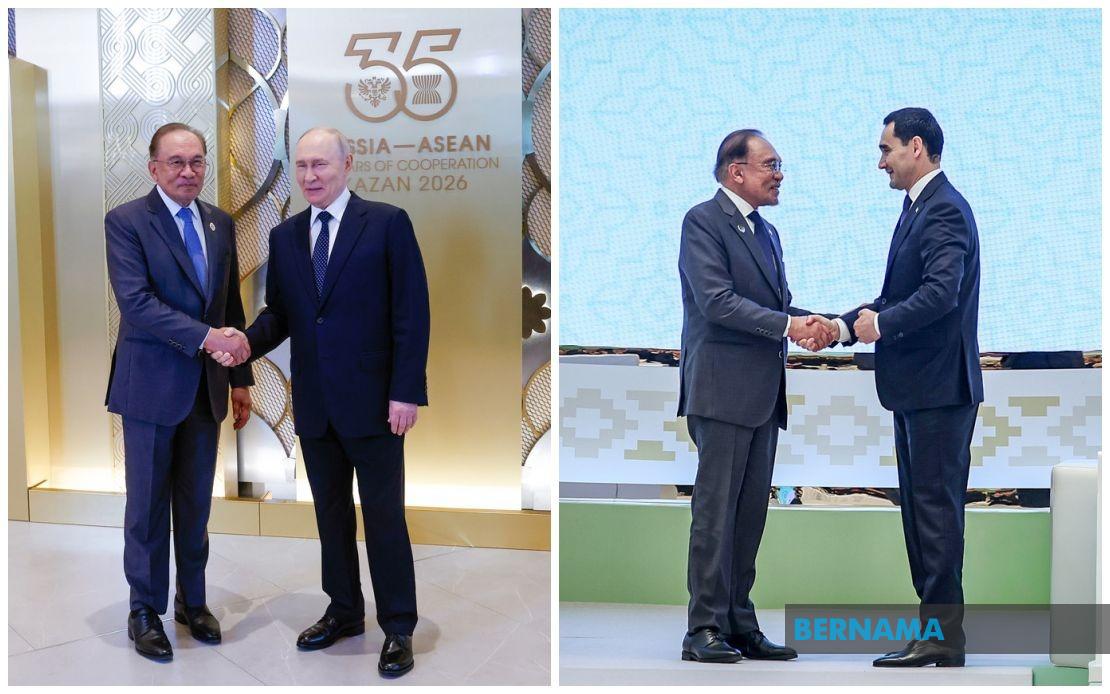
Prime Minister Datuk Seri Anwar Ibrahim's recent diplomatic missions to Russia and Turkmenistan represent a watershed moment in Malaysia's energy strategy, with senior government officials hailing the visits as pivotal moves that will reshape the nation's long-term fuel security and economic trajectory. The working visits, which took Anwar first to Kazan in Russia's Republic of Tatarstan before continuing to Ashgabat, have produced concrete agreements that extend far beyond traditional diplomatic niceties, addressing fundamental challenges that have preoccupied Malaysian policymakers for years.
The cornerstone achievement emerging from the Russian leg of the journey is Moscow's undertaking to supply Malaysia with petroleum products over a two-decade period, a commitment that fundamentally alters the country's approach to energy procurement. Rather than operating under the conventional annual or seasonal renewal frameworks that have long characterised Malaysia's oil sourcing arrangements, this multi-year agreement provides the predictability and stability that both government and industry actors have sought. Housing and Local Government Minister Nga Kor Ming underscored the significance of this development in relation to Malaysia's energy diversification strategy, emphasising that the arrangement directly supports the government's ability to sustain the BUDI MADANI RON95 programme while maintaining the subsidised petrol price at RM1.99 per litre.
The implications of this Russian supply relationship extend well beyond the immediate mechanics of fuel provision. Energy security, long a strategic vulnerability for resource-importing nations in Southeast Asia, has become increasingly intertwined with geopolitical stability and economic resilience. By securing guaranteed supplies from Russia over an extended timeframe, Malaysia reduces its exposure to volatile global energy markets and creates more reliable conditions for long-term economic planning. This stability is particularly crucial for Malaysia's manufacturing sector, transportation networks, and power generation infrastructure, all of which depend on predictable fuel costs and availability. The arrangement also signals Malaysia's pragmatic approach to international relations, pursuing national interests through engagement with diverse partners regardless of geopolitical complexities.
Complementing the Russian energy agreement is the Turkmenistan development, which represents an entirely different dimension of strategic gain centred on Malaysian corporate capability and global competitiveness. Petronas, Malaysia's national petroleum company and one of Asia's premier energy corporations, has secured the role of operator for one of the world's largest natural gas fields in Turkmenistan, a country that possesses gas reserves ranked among the planet's most substantial. This operational mandate carries implications that ripple through Malaysia's entire development agenda, as it validates the technical expertise, managerial prowess, and professional standards that Malaysian energy companies have cultivated over decades.
The significance of Petronas' appointment cannot be overstated when considered against the backdrop of international energy sector competition. Currently ranked 139th on the Fortune Global 500 list, Petronas stands poised to strengthen its global position through this major project. Human Resources Minister Datuk Seri R. Ramanan highlighted how the successful contract demonstrates Malaysia's capacity to compete on the world stage and elevates the nation's standing within the international energy industry. Such recognition by Turkmenistan's government—an energy-rich nation with considerable leverage in selecting foreign operators—testifies to the confidence placed in Malaysian institutional capacity and professional credentials. For Malaysian engineering and technical personnel, this project opens doors to high-value employment and skills advancement opportunities that rarely materialise in domestic markets alone.
The human capital dimension of these agreements deserves particular emphasis given Malaysia's ongoing efforts to develop a sophisticated, high-skilled workforce. The Turkmenistan gas field project will generate demand for advanced technical expertise in areas ranging from geological engineering to project management and operational execution. This creates a natural avenue for Malaysian professionals to acquire experience in complex, large-scale international operations, thereby elevating the human capital stock that underpins long-term national competitiveness. Opportunities for technology transfer and collaborative skills development with Turkmen counterparts add another layer of value, particularly as Malaysia positions itself as a regional hub for energy sector innovation and technical excellence.
From an economic perspective, these agreements translate into tangible financial and commercial benefits that will accrue across multiple sectors of the Malaysian economy. The stable, long-term petroleum supply from Russia reduces uncertainty in energy costs, allowing manufacturers, logistics operators, and utilities to make more confident investment decisions. The Petronas project in Turkmenistan will generate direct revenue streams, employment opportunities throughout the supply chain, and enhanced standing for Malaysian companies in international energy markets. Additionally, the diplomatic success provides leverage for Malaysia to advance other bilateral interests with both Russia and Turkmenistan, from tourism and cultural exchanges to technology partnerships and educational collaborations.
The visits also underscore the contemporary relevance of energy diplomacy as a cornerstone of international relations in Asia and beyond. As nations compete for energy security and access to strategic resources, bilateral relationships increasingly centre on the capacity to deliver tangible economic benefits and mutual advantage. Anwar's successful negotiation of these agreements reflects both his personal diplomatic acumen and Malaysia's ability to navigate complex international negotiations in an era of shifting geopolitical alignments. The outcomes suggest that Malaysia's strategy of maintaining pragmatic, diversified international relationships continues to yield concrete returns.
Turning to the broader Southeast Asian context, Malaysia's energy security achievements carry regional implications worth considering. As a developed economy with sophisticated energy infrastructure and growing consumption demands, Malaysia's success in securing long-term supplies and participating in major regional energy projects influences market dynamics and confidence levels across the region. Other ASEAN nations navigating similar energy challenges may view Malaysia's experience as illustrative of the benefits accruing from active engagement with diverse energy suppliers and proactive pursuit of participation in upstream development opportunities. The precedent set by Petronas' selection also reinforces the viability of Southeast Asian energy companies as credible, capable operators in competitive global markets.
Looking forward, the challenge for Malaysia will centre on effective implementation of these agreements and maximisation of the associated benefits. Long-term energy supply contracts only deliver value if the underlying arrangements function smoothly, prices remain competitive, and logistics chains operate efficiently. Similarly, Petronas' success in the Turkmenistan project will depend on execution excellence, cost discipline, and the company's ability to navigate the technical and organisational complexities inherent in large-scale international energy operations. Government oversight and support mechanisms will play important roles in ensuring that these strategic gains translate into sustained economic and energy security benefits for Malaysian citizens.