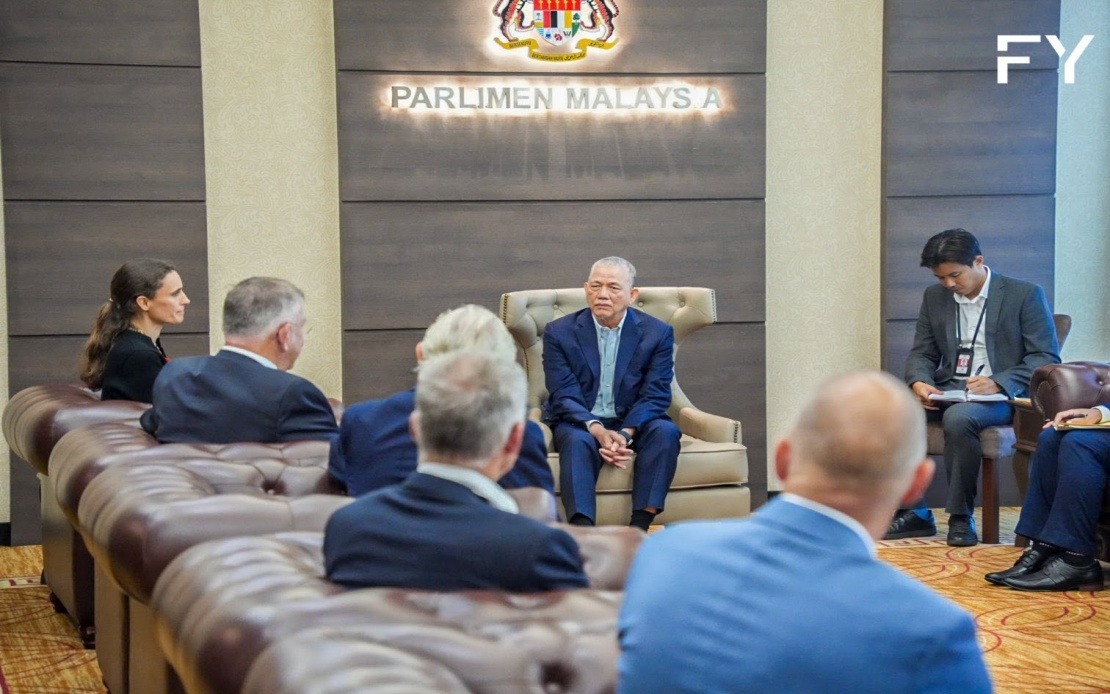
Malaysia is actively courting investment from German small and medium-sized enterprises as it pursues growth in emerging green sectors. Deputy Prime Minister Datuk Seri Fadillah Yusof issued the invitation during a parliamentary meeting with German Ambassador to Malaysia Silke Riecken-Daerr and delegates from the German SME Business Association, signalling Kuala Lumpur's commitment to attracting quality foreign capital aligned with broader sustainability objectives.
The Malaysian government is particularly interested in channelling German expertise into three priority areas: green technology development, renewable energy infrastructure, and advanced water treatment systems. These sectors dovetail with Malaysia's stated commitment to sustainable development and carbon reduction targets, positioning the country as a growing hub for environmentally conscious manufacturing and services within Southeast Asia. The focus on these specific industries reflects recognition that German companies have established themselves as innovation leaders in environmental technology across Europe and globally.
The economic relationship between Malaysia and Germany already runs deep. More than 800 German companies currently operate across the country in diverse sectors, demonstrating the stability and attractiveness of the Malaysian business environment for European firms. This substantial presence underscores how German corporations have identified Malaysia as a strategic base for regional operations, though officials believe significant room exists to expand this footprint, particularly among smaller enterprises that may lack detailed knowledge of investment opportunities here.
Germany holds particular significance as a trading partner for Malaysia, with bilateral commerce historically concentrated in mechanical engineering and advanced manufacturing technologies. These sectors have contributed substantially to Malaysia's industrial development and export competitiveness. However, Fadillah's outreach suggests the government now views SME participation as essential for deepening ties beyond traditional heavy industries, especially as global supply chains shift and companies seek diversification.
Beyond commercial investment, the meeting highlighted education and workforce development as parallel pillars of bilateral cooperation. Germany's world-renowned vocational and technical education system has long served as a model for countries seeking to build skilled workforces capable of meeting modern industrial demands. Malaysia sees particular value in adopting elements of this TVET framework to enhance domestic human capital development, recognising that sustainable competitive advantage increasingly depends on worker skills rather than cost advantages alone.
Malaysia's TVET landscape has expanded significantly in recent years, yet gaps remain in matching graduate competencies to industry needs. German technical education emphasises apprenticeship models, industry partnerships, and practical skill integration that have produced consistently employable graduates. By potentially collaborating with German educational institutions and drawing on their methodologies, Malaysia could strengthen its own vocational training ecosystem, benefiting both German companies seeking skilled local workers and Malaysian job seekers entering the employment market.
The partnership potential extends to knowledge transfer and capacity building within Malaysian institutions. German companies bringing operational expertise to Malaysia's green technology and engineering sectors could simultaneously mentor local workforces and create opportunities for staff advancement through training programmes. This dual benefit—skills development coupled with technology transfer—makes German SME participation particularly valuable for long-term economic development rather than representing merely short-term investment flows.
From a regional perspective, strengthening Malaysia-Germany relations in sustainability sectors carries implications for broader Southeast Asian economic positioning. As the developed world tightens environmental regulations and increasingly sources from suppliers meeting strict ecological standards, Malaysian companies linked to German technical expertise gain competitive advantage in accessing global markets. German SMEs establishing operations or partnerships here create demonstration effects, signalling to other international investors that Malaysia possesses the infrastructure and regulatory environment for advanced manufacturing.
The timing of this diplomatic outreach reflects Malaysia's recognition that post-pandemic economic recovery requires selective investment attraction rather than indiscriminate growth-chasing. By targeting German SMEs specifically—rather than larger multinational corporations—the country positions itself as an attractive partner for medium-scale operations seeking regional footholds without the complexity of establishing major manufacturing hubs. German small enterprises often possess specialised capabilities in niche technology areas precisely suited to Malaysia's industrial upgrading agenda.
Fadillah's confidence in strengthened bilateral relations rests on complementary economic interests and strategic alignment. Malaysia needs foreign direct investment with embedded technology and training value; Germany's SME sector seeks reliable, strategically located partners in Asia-Pacific for market access and production diversification. The mutual benefit underpinning such cooperation tends to produce more durable relationships than pure transactional investment.
Looking forward, formalising cooperation frameworks in vocational education and green technology could accelerate progress beyond diplomatic expressions of intent. This might include exchange programmes for technical instructors, joint certification standards, or industry-specific partnership initiatives. Such mechanisms would transform general welcoming statements into concrete institutional mechanisms driving sustained economic interaction.
The broader significance of this initiative lies in Malaysia's deliberate pivot toward higher-value economic relationships aligned with global sustainability imperatives. Rather than competing primarily on labour costs against other developing nations, the country is positioning itself as a destination for innovation-focused foreign enterprises seeking quality workforce partnerships and regulatory environments supporting environmental responsibility. German SME engagement represents a strategic choice to build economic foundations suitable for long-term prosperity.