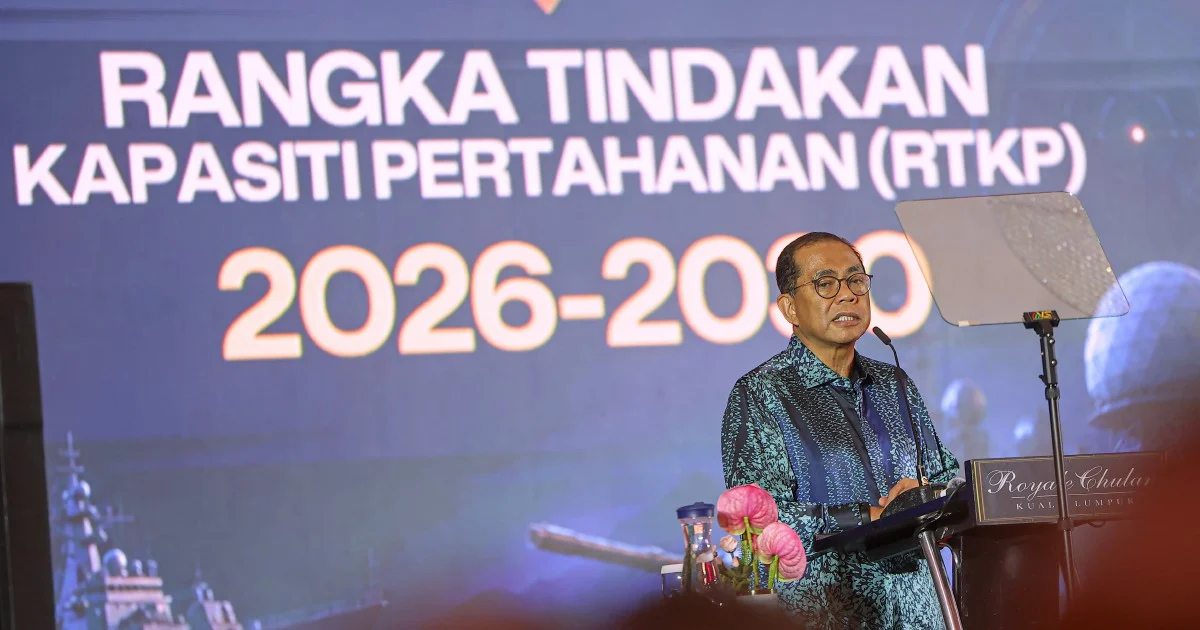
Malaysia's Defence Ministry has signalled its commitment to finding a diplomatic solution with Norway over the unexpected withdrawal of a critical weapons system meant for the country's Littoral Combat Ship fleet. Defence Minister Datuk Seri Mohamed Khaled Nordin confirmed that the government stands prepared to engage in constructive discussions aimed at resolving the impasse, marking an important step toward maintaining bilateral defence relations and protecting significant military investments.
The cancellation of the missile contract represents a substantial setback for Malaysia's naval modernisation strategy. The Littoral Combat Ship programme, a multi-year acquisition designed to bolster Malaysia's maritime security capabilities in contested waters, has been engineered to operate with advanced weapon systems. The absence of this key component threatens to compromise the effectiveness and operational readiness of these vessels, which are intended to patrol Malaysia's extensive territorial waters and exclusive economic zone.
Norway's decision to revoke the agreement carries implications beyond the immediate military dimension. Defence partnerships, particularly those involving advanced technology transfers and weapons systems, require trust and predictability. The abrupt cancellation signals shifting priorities in Oslo, potentially related to international pressure, shifting geopolitical alignments, or reassessments of defence cooperation frameworks with Southeast Asian nations. Malaysia's willingness to engage diplomatically reflects both the importance of the contract and the broader need to maintain functional relationships with established defence partners.
The timing of this dispute demands careful handling from Kuala Lumpur's perspective. Malaysia operates within a complex regional security environment where demonstrating diplomatic maturity and strategic patience are essential. The country's ability to navigate this challenge without escalating tensions while protecting its defence interests will shape how other potential partners perceive Malaysia's approach to negotiation. A successful resolution could also establish valuable precedents for handling similar contractual disputes that may arise with other international suppliers.
From a defence procurement standpoint, Malaysia's response reveals important lessons about contract management in complex military acquisitions. Large-scale defence programmes typically span many years, involve multiple stakeholders, and require sustained political commitment across changing administrations. The government's readiness to engage suggests awareness that diplomatic channels remain open and that the underlying issues—whatever their nature—can potentially be addressed through structured dialogue rather than protracted confrontation.
The broader context includes Southeast Asia's ongoing arms race and maritime security competition. As nations in the region modernise their naval capabilities amid concerns over disputed waters and territorial claims, access to reliable weapons suppliers becomes strategically vital. Malaysia's ability to secure advanced maritime systems from trusted partners influences its ability to maintain credible deterrence and fulfil its responsibilities as a coastal state. This missile system was integral to that calculus.
The LCS project itself carries significant budgetary and strategic weight in Malaysia's defence planning. These vessels represent substantial capital investment, and their operational value depends heavily on the integration of compatible, cutting-edge weapon systems. Without the Norwegian missile capability or viable alternatives, Malaysia would face difficult choices about either redesigning the platform for alternative systems, renegotiating the original contract, or absorbing the cost of extended development periods while seeking substitutes from other nations.
Malaysia's diplomatic approach also reflects regional norms around maintaining working relationships with developed nations. Even when disputes arise, Southeast Asian governments typically prefer patient negotiation and face-saving solutions to public confrontation. This approach, rooted in the principle of consensus-building central to ASEAN culture, extends to bilateral defence matters. The Defence Minister's public statement about readiness to resolve the issue serves both to reassure domestic stakeholders and signal to Norway that Malaysia remains open to dialogue.
The potential for resolution may hinge on understanding Norway's underlying concerns. Recent years have witnessed increased scrutiny of arms sales to certain nations, driven by human rights considerations, regional stability assessments, and alignment with broader Western foreign policy objectives. If Norway's cancellation stems from such policy reviews, Malaysia must present arguments addressing these concerns while demonstrating its commitment to responsible military conduct and regional stability.
Looking ahead, this episode underscores the vulnerability of developing nations reliant on imported defence systems from countries with volatile political environments or shifting strategic priorities. Malaysia and other Southeast Asian nations may increasingly consider diversifying suppliers or investing more heavily in indigenous defence capabilities to reduce dependence on any single foreign partner. However, in the immediate term, the focus remains on resolving the Norwegian impasse through professional diplomatic engagement.
The resolution of this dispute will likely influence Malaysia's defence procurement strategy for years to come. Success in negotiations could strengthen the LCS programme and restore confidence in ongoing partnerships, while failure might necessitate costly programme restructuring and potentially damage bilateral relations. Given these stakes, the Defence Ministry's emphasis on readiness to engage represents a pragmatic approach rooted in protecting Malaysia's long-term defence interests and regional standing.

