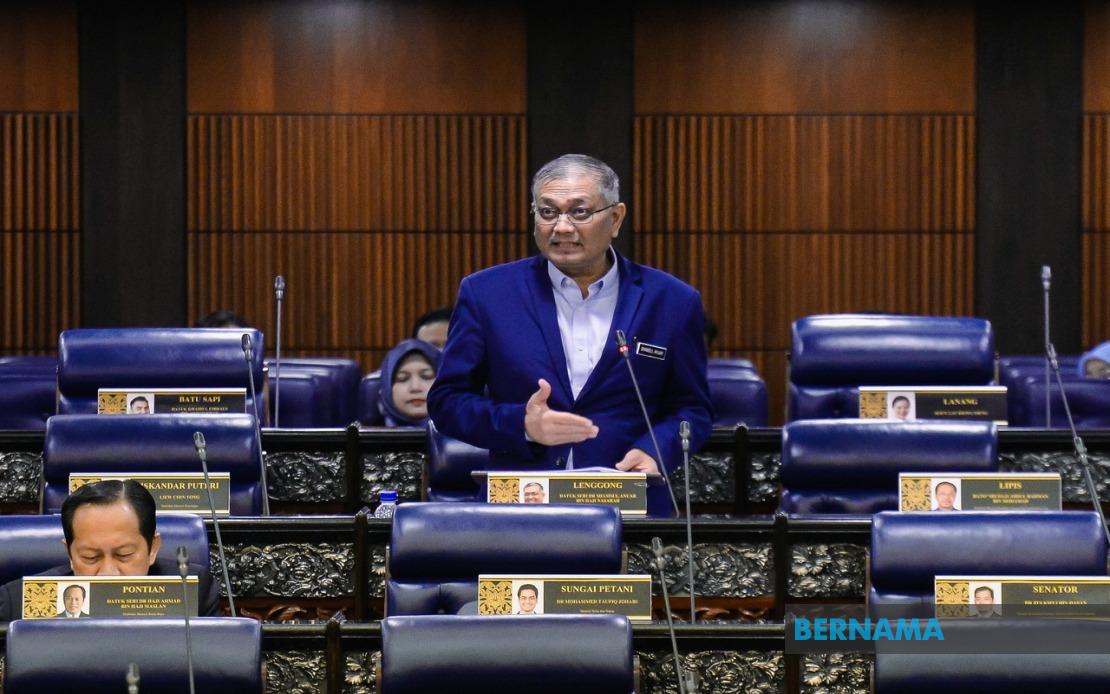
Enforcement action against illegal cryptocurrency mining in Malaysia has intensified significantly, with government authorities announcing the seizure of more than 75,000 machines during raids conducted over the past three years. Deputy Home Minister Datuk Seri Dr Shamsul Anuar disclosed that coordinated operations between 2022 and May 2024 have resulted in 629 arrests across more than 3,000 separate incidents nationwide, marking an aggressive response to what officials characterise as an expanding underground industry that threatens both energy security and public resources.
The enforcement campaign represents a collaborative effort involving multiple government bodies and the private sector. The Royal Malaysia Police, state-owned energy provider Tenaga Nasional Berhad, municipal authorities, and other relevant agencies have pooled resources to conduct the raids, reflecting the complexity of tackling a distributed criminal enterprise. This coordinated approach signals recognition among policymakers that tackling illegal mining requires institutional coordination across law enforcement, utilities, and local government structures, rather than siloed action by individual agencies.
The Home Ministry has indicated a strategic shift toward more sophisticated enforcement methods. Rather than relying solely on reactive responses to complaints or tip-offs, authorities are now emphasising intelligence gathering and technological analysis to predict where illegal operations are likely to emerge. This proactive identification of potential hotspots before conducting raids aims to enhance both the speed and precision of enforcement actions, reducing the window in which operators can relocate or conceal their activities.
Understanding the motivations driving illegal mining operations provides essential context for policymakers. The persistence of these activities stems from two primary factors: sustained global demand for digital assets and the capacity of cryptocurrency price volatility to generate substantial returns. These economic incentives prove sufficiently powerful that operators are willing to incur considerable legal risk. The economics become particularly attractive when operators can circumvent legitimate electricity costs through theft or illegal connections, dramatically improving profit margins and justifying the investment in expensive mining hardware and cooling infrastructure.
Malaysia's regulatory framework creates a complex legal environment surrounding digital assets. While cryptocurrency ownership and trading remain permitted activities, the government has explicitly declined to designate cryptocurrencies as legal tender within the Malaysian economy. This distinction proves crucial: the activities themselves are not universally prohibited, but specific operational methods involving mining are strictly regulated. Authorities characterise mining as illegal primarily when it involves unauthorised electricity connections, meter tampering, interference with power distribution systems, or operation without requisite business licensing and regulatory approval.
The regulatory architecture governing the sector is distributed across multiple financial institutions and agencies with distinct mandates. The Securities Commission Malaysia holds responsibility for overseeing digital assets through established legal frameworks, while Bank Negara Malaysia maintains authority over financial stability, payment infrastructure, and implementation of anti-money laundering and counter-terrorism financing protocols. This division reflects international standards for digital asset oversight but also creates potential coordination challenges when enforcement action is required.
The electricity theft component represents a particularly serious concern for authorities and TNB alike. Illegal mining operations often target power infrastructure by establishing unauthorised connections that bypass legitimate metering systems, effectively imposing costs on the broader electricity consumer base. The magnitude of financial losses incurred by TNB through these activities remains a significant policy concern, though precise figures have not been disclosed publicly. This form of theft inflates electricity costs for legitimate consumers and diverts resources that might otherwise fund grid maintenance and expansion.
For Malaysia, the anti-mining enforcement campaign carries implications beyond simple criminal justice. The nation faces persistent challenges in managing electricity demand and maintaining grid stability, particularly given rapid industrial expansion and population growth. Illegal mining represents an uncontrolled drain on generation capacity and distribution infrastructure, complicating long-term energy planning. Additionally, the energy intensity of cryptocurrency mining operations means that successful enforcement actions potentially free up substantial generation capacity for legitimate economic and domestic use.
The regional dimension of this enforcement effort merits consideration. Other Southeast Asian countries including Thailand and Vietnam have struggled with similar illegal mining operations, suggesting this represents a broader regional phenomenon rather than an isolated Malaysian problem. Success in enforcement and coordination across Malaysian agencies could potentially inform regional approaches to tackling the issue at a subregional level, particularly through mechanisms like ASEAN law enforcement cooperation frameworks.
Looking forward, the challenge for Malaysian authorities involves sustaining enforcement intensity while adapting to operational adaptations by mining networks. Historical patterns in other jurisdictions suggest that displaced operations migrate to jurisdictions with weaker enforcement or lower electricity costs. Maintaining the current pace of coordinated raids will require sustained political will, adequate resource allocation, and continued technical expertise in identifying mining infrastructure. The involvement of TNB and local authorities indicates institutional commitment, but long-term success depends on whether this momentum can be maintained through inevitable political and budgetary cycles.

