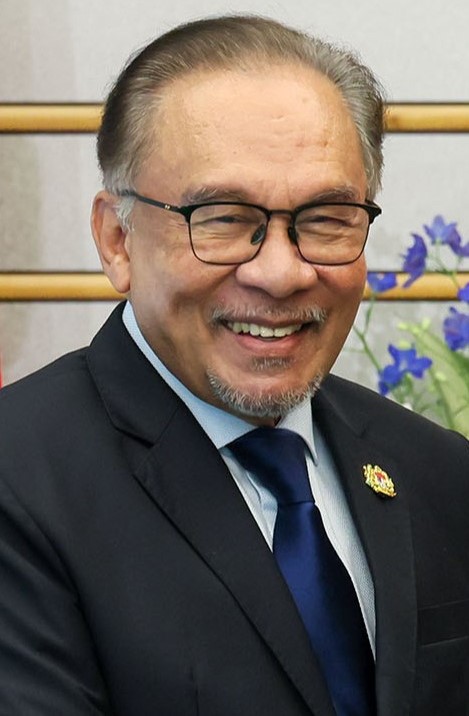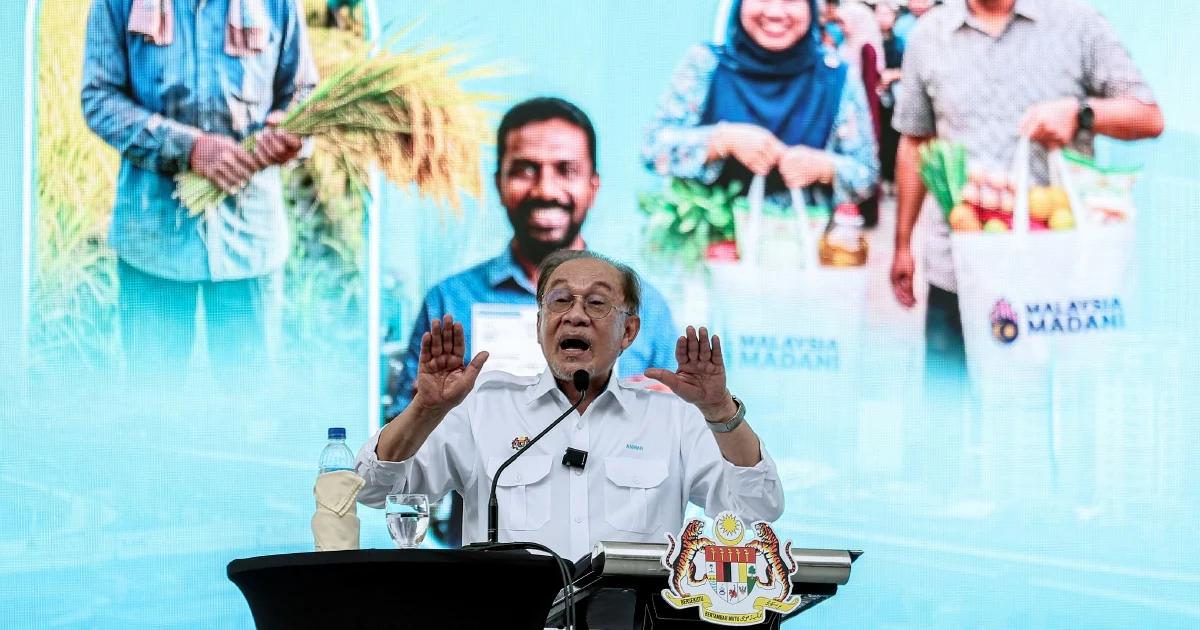
Prime Minister Datuk Seri Anwar Ibrahim has announced a significant enhancement to the government's commitment to grassroots security initiatives, unveiling plans to substantially increase annual funding for Neighbourhood Watch Areas across Malaysia. Speaking in Segamat, Anwar confirmed that all Neighbourhood Watch Areas—locally known as KRT—will receive RM10,000 annually, a marked improvement from the previous allocation of RM6,000. The new disbursement scheme takes effect on January 1, 2027, signalling the administration's determination to strengthen community-driven approaches to public safety and social cohesion.
The 67 percent increase in annual grants represents a deliberate policy shift to empower neighbourhood organisations that have become integral to Malaysia's security landscape. These grassroots volunteer groups operate at the most localised level, fostering direct engagement between residents and their communities in preventing crime and maintaining order. By substantially raising the financial support, the government acknowledges that community-led safety mechanisms require adequate resourcing to function effectively. The timing of the announcement, made in Segamat, underscores the government's focus on addressing concerns across different regions, particularly areas where neighbourhood watch groups play a crucial role in bridging gaps between formal law enforcement and civilian participation.
The enhancement carries particular significance for Malaysia's ongoing efforts to decentralise security responsibilities and foster a culture of mutual vigilance among residents. Neighbourhood Watch Areas have historically operated on limited budgets, constraining their capacity to acquire necessary equipment, conduct training programmes, or organise regular community meetings. The increased allocation provides these voluntary organisations with greater flexibility to purchase communication devices, install lighting systems, conduct awareness campaigns, and maintain records of community concerns. For many rural and suburban areas, these organisations represent the primary organised mechanism through which residents collectively address local security issues, making their financial viability essential to national security architecture.
From a policy perspective, the decision reflects broader thinking within Malaysia's administration regarding the distribution of security responsibilities between state institutions and civil society. Rather than relying exclusively on police and military resources, the government increasingly recognises that community participation in safety matters yields both practical and intangible benefits. Residents equipped with knowledge and resources to organise themselves become additional eyes and ears within their neighbourhoods, capable of detecting suspicious activity and reporting concerns promptly to authorities. This distributed approach to security represents a pragmatic acknowledgement that centralised enforcement alone cannot adequately cover the nation's diverse communities and geographical expanse.
The RM10,000 annual grant per neighbourhood watch unit, while modest by some measures, constitutes meaningful support at the grassroots level where such organisations typically operate on volunteer labour and minimal overhead. The funds can be deployed for various purposes reflecting local priorities, whether that involves regular patrols, community education initiatives, inter-neighbourhood coordination, or facility maintenance. This flexibility allows diverse communities to tailor their safety strategies to their specific contexts and challenges, rather than adhering to rigid national programmes disconnected from local realities.
The announcement also carries implications for Malaysia's relationship with community-based organisations more broadly. By prioritising neighbourhood watch funding, the government signals that voluntary associations functioning at the hyperlocal level deserve sustained financial commitment. This potentially encourages greater participation in these groups, particularly among younger residents who might otherwise view community safety as exclusively the domain of professional law enforcement. Enhanced capacity within neighbourhood watch areas could catalyse broader civic engagement, with residents becoming more invested in their communities' welfare beyond security matters alone.
For Southeast Asia's context, Malaysia's decision aligns with regional trends toward community policing models and localised security initiatives. Countries across the region have increasingly recognised that effective governance requires meaningful engagement with residents at neighbourhood level. The funding increase demonstrates Malaysia's commitment to this philosophy, moving beyond rhetoric to concrete resource allocation. This approach contrasts with exclusively top-down security models, instead fostering partnership between state institutions and organised communities.
The January 1, 2027 implementation date provides neighbourhood watch organisations with adequate notice to prepare for the increased funding, allowing them to establish systems and procedures for utilising the additional resources effectively. This transition period permits the government to work with community leaders in clarifying expectations and establishing reporting mechanisms that ensure accountability and proper fund utilisation. The timing also allows local organisers to develop plans for deploying the enhanced budget in ways that genuinely improve neighbourhood safety outcomes.
Looking forward, the increased funding may prompt conversations about how neighbourhood watch programmes can be further strengthened beyond financial support. Training provision, technology integration, coordination with official security agencies, and recognition programmes for active volunteers could complement the funding increase. The government might explore partnerships with civil society organisations that provide technical assistance to community groups, helping ensure that financial resources translate into tangible improvements in community safety and resident confidence.
The announcement ultimately reflects a government acknowledging that sustainable security frameworks depend upon active participation from communities themselves. By doubling down on financial support for grassroots watch organisations, Malaysia's administration invests in the social infrastructure underpinning national security. Whether this funding increase achieves its intended impact will depend substantially on how neighbourhood organisations utilise the resources and how effectively they coordinate with official law enforcement agencies. The announcement thus represents both a policy decision and an implicit challenge to community leaders to demonstrate that enhanced resources will genuinely strengthen their communities' safety and wellbeing.