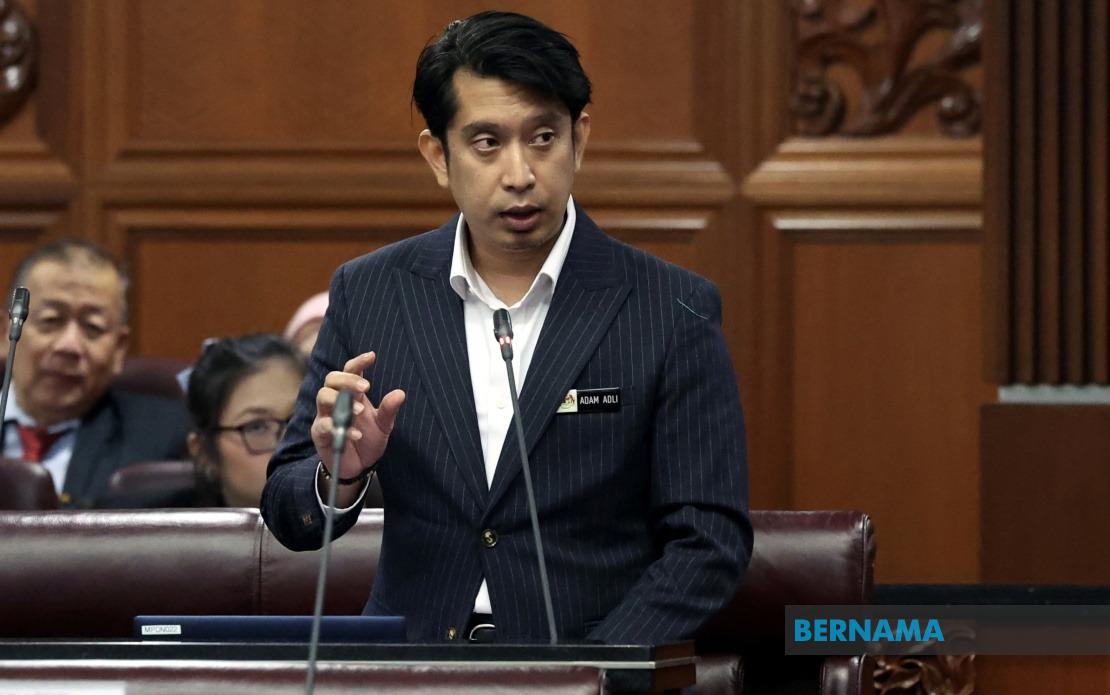
The Ministry of Higher Education is progressing with detailed planning for a major residential accommodation project that would house approximately 700 students in Betong, Sarawak, marking a significant commitment to expanding technical and vocational opportunities in the state's interior regions. Deputy Higher Education Minister Adam Adli Abd Halim outlined the initiative during parliamentary proceedings on June 29, emphasizing that the facility would serve dual vocational institutions struggling with student accommodation constraints that have historically limited their growth and regional appeal.
The proposed hostel would directly benefit learners at two key institutions: Politeknik Metro Betong Sarawak (PMBS) and Kolej Komuniti Betong. Both establishments have identified inadequate residential infrastructure as a bottleneck preventing them from reaching their full enrolment potential and effectively serving the dispersed rural communities across the Betong division. The timing of this announcement reflects broader Malaysian policy efforts to address geographical educational disparities that have long disadvantaged students from remote areas seeking quality technical training.
State authorities have identified a suitable location for development: an 8.814-hectare federally owned parcel in Batu Api district situated roughly 650 metres from the PMBS campus. The Sarawak Land and Survey Department selected this site after evaluating various options, recognizing that proximity to existing educational facilities would maximize operational efficiency and student accessibility. The ministry must now navigate administrative procedures to secure land-use conversion and obtain formal approval from the Prime Minister's Department, which holds ownership of the property.
Adam Adli emphasized that accommodation represents a foundational concern requiring resolution before the ministry pursues broader institutional upgrades. This sequential approach suggests a pragmatic assessment that student welfare infrastructure must precede ambitious expansion plans such as converting PMBS into a fully-fledged conventional polytechnic—a prospect raised during parliamentary questioning by Datuk Dr Richard Rapu (GPS-Betong), who highlighted educational equity considerations affecting rural Sarawak residents. By prioritizing hostel development, the ministry acknowledges that even quality academic programming cannot flourish without adequate student support systems.
Current enrolment figures at PMBS underscore why accommodation expansion has become urgent. The institution presently hosts 291 students across its Diploma in Finance and Diploma in Tourism Management offerings, representing less than half of its 600-student capacity. This significant gap between actual and potential enrolment reveals that facility constraints—particularly housing for students unable to commute from distant villages—represent tangible barriers to institutional growth. The unused capacity reflects not lack of demand but rather practical challenges facing prospective students from dispersed settlements lacking nearby urban amenities.
Expanding the institution's academic footprint forms part of the acceleration strategy. Beginning in December 2026, PMBS will introduce a new Diploma in Business Information Systems during the second session of the 2026-2027 academic year, diversifying its portfolio beyond tourism and financial services. This curricular expansion targets workforce demands in emerging sectors while improving institutional competitiveness across Sarawak's vocational landscape. Such diversification typically attracts broader student demographics and enhances pathways to employment in growing economic sectors.
Beyond formal diploma programmes, PMBS has cultivated a robust lifelong learning agenda that generated substantial community engagement during the preceding year. The institution delivered specialized workshops and courses in accounting, tourism management, and related professional skills that attracted 1,137 total participants. This activity demonstrates the institution's integration into regional economic development and suggests latent demand for technical skill development across Betong's employment base. The hostel project would facilitate expansion of such programming by removing commuting barriers that currently constrain participation.
Pending the phased hostel rollout, PMBS has established interim governance mechanisms to address immediate student welfare requirements. A newly formed Student Residential and Accommodation Management Committee now coordinates housing arrangements, safety protocols, and welfare support for learners renting private accommodation within the campus vicinity. This stopgap measure acknowledges that students already enrolling face genuine hardship due to inadequate institutional housing, and that administrative oversight can partially mitigate risks associated with dispersed private arrangements. The committee structure indicates ministry recognition that accommodation challenges demand ongoing attention rather than deferred action.
The Betong hostel initiative carries broader implications for Southeast Asian technical education policy, particularly regarding rural equity. The region faces persistent challenges in retaining vocational students from remote communities, where geographic isolation combines with limited family resources to create formidable barriers. Malaysia's investment in purpose-built accommodation demonstrates understanding that technical education expansion requires comprehensive infrastructure, not merely curriculum development. The 8.814-hectare site represents substantial public commitment, suggesting that federal authorities recognize vocational training as critical infrastructure warranting significant capital allocation.
Implementation timelines remain unspecified, though Adam Adli indicated urgency in resolving the accommodation question. Administrative processes requiring Prime Minister's Department approval typically span several months, potentially delaying groundbreaking into 2024 or beyond. The phased approach suggests hostel construction may occur in stages, with initial phases potentially accommodating fewer students before expansion. Such sequencing aligns with fiscal realities and allows institution managers time to develop accommodation management systems and student support protocols.
For Betong's broader development trajectory, the hostel project signals federal recognition of the division's educational infrastructure needs and potential. Sarawak's interior regions have historically received less development attention than coastal urban centres, and substantial public investment in polytechnic support facilities indicates shifting priorities. The combination of new academic programming and accommodation infrastructure positions PMBS to become a genuine regional educational hub, potentially attracting students across Sarawak's larger southern divisions and contributing to workforce development in areas historically dependent on primary industries.
The initiative also reflects evolving Malaysian understanding of technical education's role in inclusive development. By addressing accommodation as a prerequisite for polytechnic growth, policymakers acknowledge that talent distribution across geography matters less than accessibility for students regardless of origin. Rural students possess equivalent capability and ambition as urban counterparts; geographic disparities in technical skill acquisition reflect infrastructure gaps rather than capability differentials. This hostel represents material commitment to closing that gap through practical investment.

