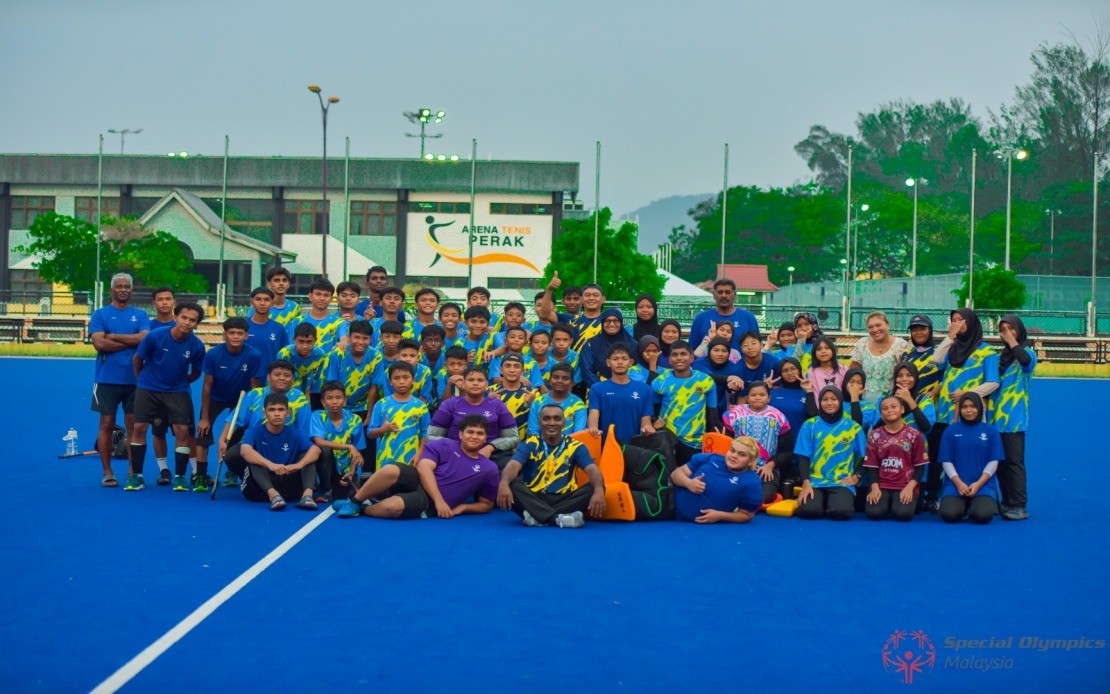
Malaysia will field a 10-member contingent at the inaugural FIH Para Hockey ID World Cup 2026, marking a significant milestone for the nation's para hockey programme in the intellectual disability category. The tournament takes place in Belgium and the Netherlands from August 20 to 25, bringing together 16 of the world's top teams in a competition that will run concurrently with the elite Men's and Women's Hockey World Cups at the same venues.
The squad composition reflects a balanced approach to development and gender inclusion, comprising six male athletes and four female competitors selected through a rigorous process that began in December 2025. According to Shanker Retinam, assistant head of delegation, player selection prioritised demonstrated performance in competition, commitment to the intensive training regimen, and adherence to discipline standards. This multi-criteria approach ensures that the team sent to Europe represents not only individual skill but also the maturity and professionalism expected of national representatives on the world stage.
Preparation has been substantial and concentrated, with selected athletes undergoing monthly centralised training sessions in Ipoh since their selection. This sustained focus on conditioning, tactical development, and team cohesion across several months reflects the seriousness with which the Malaysian para hockey programme is approaching this inaugural tournament. The choice of Ipoh as the training hub leverages the existing infrastructure and expertise within the Perak Special Olympics Association, which has stewarded the programme's development.
The honour of participating in a world cup that coincides with the sport's most prestigious international competitions cannot be overstated. Being featured alongside the Men's and Women's Hockey World Cups provides Malaysian para athletes with global visibility and positions intellectual disability sport within the mainstream hockey conversation. This symbolic alignment underscores the growing recognition that para hockey deserves platforms equivalent to its able-bodied counterparts, a shift that carries implications for funding, media coverage, and public perception across Southeast Asia.
Malaysia's competitive draw places the team in Pool B, a challenging but diverse grouping that includes the Netherlands, Argentina, England, Spain, India, Chile, and Bulgaria. The pool composition ensures competitive engagement with established para hockey nations while offering opportunities to assess performance against emerging programmes. The squad opens its campaign against Bulgaria in the Netherlands, providing an important preliminary fixture before potential advancement through the tournament structure.
The national team is scheduled to depart Malaysia on August 17, providing a brief adjustment period before competition begins. This timing allows athletes to manage the travel demands and adapt to European conditions without excessive pre-tournament waiting. The logistics of competing across two countries necessitates careful coordination, but the experience itself will serve as valuable preparation for future international tournaments and contribute to the squad's development as a high-performance unit.
The ceremonial dimension of the team's departure adds institutional weight to the endeavour. Sultan Nazrin Shah, the Sultan of Perak, will officiate at a flag-handover ceremony at the Royal Perak Golf Club, a gesture that elevates the status of para hockey within Malaysia's sporting hierarchy and signals royal support for inclusive athletic excellence. Such patronage from the sultanate historically strengthens the legitimacy and resource allocation for sporting programmes in Malaysia.
From a broader regional perspective, Malaysia's participation represents the Association of Southeast Asian Nations' commitment to inclusive sport. While Thailand, Vietnam, and the Philippines have established para sporting programmes, Malaysia's dedicated entry into a world cup competition demonstrates the nation's competitive ambition within this space. Success or strong performance could inspire neighbouring countries to invest more substantially in intellectual disability sport, creating a positive competitive dynamic across Southeast Asia.
The intellectual disability category itself has gained international prominence in recent years as the Paralympic movement and world sports federations recognised the necessity of inclusion. Para hockey ID offers athletes with intellectual disabilities access to international-level competition and the benefits of high-performance sport, including personal development, social integration, and representation. Malaysia's participation signals to young athletes with intellectual disabilities that pathways to elite competition exist, potentially broadening the talent pool for future selections.
For the Malaysian hockey ecosystem, the initiative also demonstrates how infrastructure and expertise developed for able-bodied programmes can be extended to serve athletes with diverse needs. The use of existing facilities and training systems reflects efficient resource management while building institutional capacity across the sport. This approach may serve as a model for other Malaysian sports federations seeking to develop inclusive programmes without prohibitive capital investment.
The tournament's timing in August 2026 allows adequate preparation time from now, during which the squad can refine tactical execution, build team chemistry, and establish conditioning standards appropriate for international competition. Monthly centralised training will likely intensify in frequency and intensity as the tournament approaches, with potential exposure matches against international opposition to evaluate readiness.
Success in Belgium and the Netherlands will be measured not merely in wins and losses but in how effectively Malaysian athletes demonstrate technical proficiency, competitive spirit, and sportsmanship on a global stage. A strong showing could secure automatic qualification for the next world cup and enhance Malaysia's standing within the international para hockey community. Beyond results, the experience accumulated by this first cohort will inform programme development for years to come, establishing institutional knowledge about what competitive excellence in para hockey ID requires.

