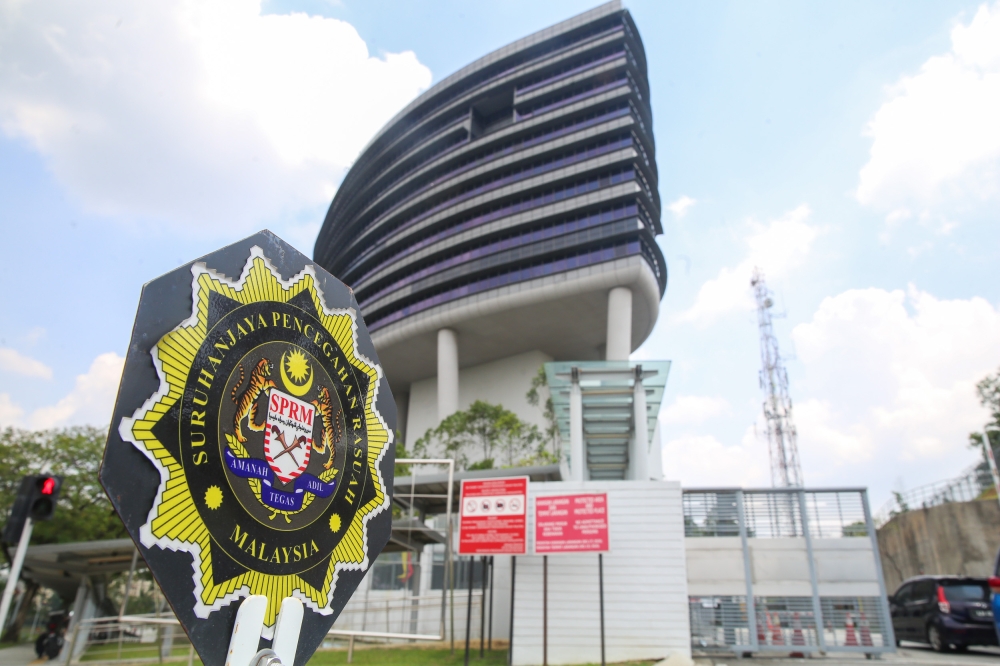
Malaysia is positioning itself as a hub for anti-corruption coordination in Southeast Asia, with the Malaysian Anti-Corruption Commission (MACC) preparing to convene the 22nd Asean Public Accounts Committee (PAC) meeting. This gathering represents a critical juncture for regional governments to align their enforcement strategies and share intelligence on corruption cases that frequently cross national boundaries, a growing concern as illicit financial flows and organised fraud networks become increasingly sophisticated.
The timing of this summit reflects deepening concern among Asean nations about corruption's corrosive impact on governance legitimacy and economic performance. Across the region, graft undermines public trust in institutions, distorts competition in business environments, and diverts resources away from essential services. Malaysia's own recent experiences with high-profile cases have reinforced official commitment to demonstrating that no individual, regardless of status, remains beyond accountability—a message the MACC has sought to reinforce through successive prosecutions and asset recovery efforts.
The Asean-PAC mechanism serves as the principal forum through which the region's anti-corruption bodies coordinate detection, investigation, and prosecution activities. Unlike bilateral agreements, which handle specific cases, this multilateral platform enables countries to develop standardised approaches to evidence gathering, witness protection, and asset tracing that criminals increasingly exploit across borders. Southeast Asia's diverse legal systems and varying enforcement capacities have historically made such coordination challenging, yet the mechanism has gradually built institutional memory and trust networks.
Regional cooperation on anti-corruption carries particular significance for Malaysia given its integration into global financial systems and reliance on foreign direct investment. International perception of governance standards directly influences capital flows and investor confidence. Several major economies maintain enhanced scrutiny of Southeast Asian financial transactions due to perceived vulnerabilities in money laundering controls and beneficial ownership transparency. Malaysia's demonstration of regional leadership in combating corruption can help reshape these perceptions and reduce the compliance burden Malaysian institutions face when engaging internationally.
The meeting will likely focus on harmonising approaches to asset recovery, a domain where Asean performance remains inconsistent. While some countries have established dedicated units for tracing and repatriating stolen assets, others lack the technical capacity or legal frameworks to participate effectively in cross-border recovery operations. This disparity creates opportunities for perpetrators to hide illicit wealth in jurisdictions with weaker enforcement, effectively rendering investigations in neighbouring countries futile. Standardised asset recovery protocols could substantially improve the region's ability to return stolen public money.
Capacity building across Asean's anti-corruption agencies represents another expected focus. Wealthier nations and those with more mature institutions must transfer knowledge and resources to counterparts in countries with fewer resources. Training in digital forensics, financial investigation techniques, and international cooperation mechanisms would strengthen the entire region's defensive posture. Malaysia, alongside Singapore and Thailand, possesses relatively developed institutional capacity and can meaningfully contribute to lifting regional standards through technical assistance programmes.
The summit will also address evolving corruption methodologies that exploit technological advancement and globalisation. Cryptocurrency transactions, trade-based money laundering schemes, and phantom procurement arrangements increasingly dominate corruption cases. Traditional enforcement approaches designed for simpler fraud schemes prove inadequate against these sophisticated networks. Asean agencies must collectively develop expertise and tools to identify and prosecute modern corruption, requiring investment in training and equipment that individual nations may struggle to justify independently.
International engagement with bodies like the United Nations Convention Against Corruption and the Financial Action Task Force influences Asean's anti-corruption trajectory. The region faces external pressure to improve compliance with international standards, with several countries identified as deficient in beneficial ownership transparency or anti-money laundering controls. Demonstrating coordinated regional progress through forums like the Asean-PAC meeting helps countries collectively argue for technical support rather than sanctions and enhances their voice in global governance discussions.
Cross-border organised corruption involving government officials, private sector actors, and criminal organisations presents particular challenges that require seamless intelligence sharing and coordinated enforcement. Political sensitivities surrounding investigations into senior figures have sometimes inhibited regional cooperation, with countries reluctant to pursue matters involving other nations' officials. However, growing public intolerance of impunity and media scrutiny has gradually shifted political calculations, making genuine cooperation more feasible than in previous decades.
Malaysia's hosting role carries symbolic weight beyond the immediate agenda items. The country's high-profile prosecutions of former leaders and business tycoons have demonstrated institutional willingness to investigate and pursue cases regardless of political considerations. This visibility lends credibility to Malaysia's participation in regional forums and positions the MACC as a trusted partner committed to genuine reform rather than selective enforcement. Other Asean members will assess Malaysia's sincerity partly through observing whether these high-profile cases proceed to appropriate conclusions.
Longer term, the effectiveness of Asean-PAC coordination depends on sustained political commitment from member governments. When anti-corruption enforcement threatens entrenched interests or challenges ruling coalition partners, political pressure can derail investigations or compromise independence. The forum's success ultimately reflects the depth of each member state's institutional autonomy and leadership's determination to subordinate factional interests to broader governance reform objectives. Malaysia's contribution to maintaining this coordination during potentially challenging periods will influence the region's anti-corruption trajectory.
The meeting also provides opportunity for Asean to position itself advantageously in international anti-corruption discussions and capacity-building partnerships. Developed economies increasingly condition investment and trade access on demonstrated governance improvements. A cohesive Asean approach to anti-corruption standards enhances the region's negotiating power in bilateral and multilateral trade discussions and strengthens claims for technical assistance without conditionality. Malaysia's convening role in this multilateral effort strengthens Southeast Asia's collective voice in shaping international standards rather than simply implementing externally-imposed requirements.

