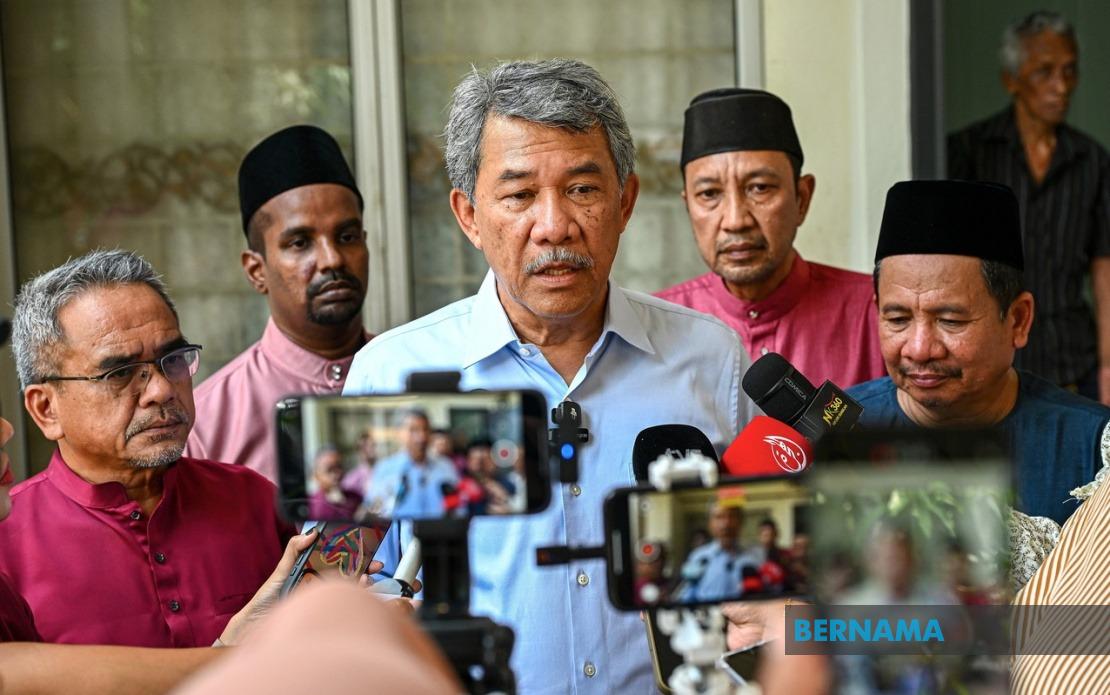
Malaysia will not expedite the repatriation of Myanmar refugees without first ensuring their safety and verifying their legal status, Foreign Minister Datuk Seri Mohamad Hasan declared in Seremban on Wednesday. The commitment reflects a cautious approach to one of Southeast Asia's most pressing humanitarian challenges, balancing Malaysia's capacity constraints against the rights and security concerns of asylum seekers fleeing Myanmar's political turmoil.
Mohamad Hasan emphasised that cooperation between the United Nations High Commissioner for Refugees (UNHCR) and Malaysia's Home Ministry is essential to establishing the legitimacy of refugee claims and evaluating what conditions returnees would encounter in Myanmar. This verification process serves as a critical safeguard, preventing the return of individuals who may face persecution or harm based on their political affiliations, ethnicity, or other vulnerabilities. The Foreign Minister's statement suggests that Malaysia recognises the complexity of the Myanmar crisis and the potential consequences of premature repatriation without adequate international oversight.
According to Mohamad Hasan, the Foreign Ministry has instructed its Secretary-General to engage directly with Myanmar's government through diplomatic channels to facilitate a phased repatriation process. Rather than accepting the Myanmar government's reported willingness to receive 5,000 nationals by sea in one operation, Malaysia proposes a gradual approach that allows time for proper assessment and preparation. This staged methodology offers practical advantages, reducing logistical strain and allowing authorities to monitor each cohort's integration upon return.
The minister revealed that Malaysia has already identified approximately 1,000 individuals whose status has been verified and who are eligible for repatriation. Rather than waiting until numbers accumulate to the 5,000 threshold reportedly proposed by Naypyidaw, Malaysia intends to begin returning verified returnees immediately. This approach demonstrates pragmatism in managing the estimated hundreds of thousands of Myanmar nationals currently in Malaysia, many of whom have sought refuge since the military coup in February 2021.
Mohamad Hasan's remarks underscore ASEAN's collective concern about the Myanmar situation. He stressed that the bloc views the refugee crisis not as an isolated bilateral matter but as a regional challenge demanding coordinated action across member states. This perspective recognises that Myanmar's instability creates displacement pressures affecting Thailand, Bangladesh, and other neighbouring countries, making unilateral solutions inadequate.
The Foreign Minister reiterated ASEAN's commitment to the Five-Point Consensus, the diplomatic framework adopted in 2021 that prioritises dialogue, humanitarian assistance, and non-interference in Myanmar's internal affairs. This framework, while often criticised by human rights advocates for lacking enforcement mechanisms, remains the official foundation for ASEAN's engagement with the Myanmar crisis. Mohamad Hasan's invocation of the Five-Point Consensus signals that Malaysia views refugee repatriation not in isolation but as part of broader regional diplomacy aimed at eventually restoring stability in Myanmar.
The refugee situation in Malaysia has become increasingly complex as the number of asylum seekers has grown dramatically. Malaysia hosts one of Asia's largest refugee populations, with significant communities from Myanmar, Afghanistan, and the Rohingya diaspora. The country's infrastructure and social services face mounting pressure, creating domestic political sensitivities around refugee policy. The government must balance humanitarian obligations, international expectations, and domestic concerns about resource allocation.
From a security perspective, Myanmar's ongoing civil conflict and political fragmentation create legitimate uncertainties about the safety of returnees. Different regions remain under the control of competing military factions and armed resistance groups, meaning that conditions vary dramatically depending on a person's destination. Verification processes must therefore account for regional variations in security, ethnic composition, and political alignment to ensure that individual returnees are not sent to areas where they would face danger.
The international dimension of this issue adds further complexity. UNHCR and other UN agencies work to ensure that refugee repatriation complies with the principle of non-refoulement, which prohibits returning individuals to places where they face persecution or serious harm. Malaysia's reliance on UNHCR verification reflects international best practice and provides diplomatic cover for decisions about repatriation. This collaboration also ensures that the process maintains legitimacy among neighbouring countries and the international community.
Mohamad Hasan's phased approach represents a middle ground between those demanding immediate large-scale repatriation and those opposing any returns whatsoever. By starting with the 1,000 verified individuals rather than waiting for larger numbers, Malaysia demonstrates both humanitarian responsibility and practical problem-solving. This incremental strategy also allows authorities to assess how returnees fare after repatriation, gathering evidence to inform subsequent waves of returns.
The road ahead remains uncertain. Myanmar's political situation shows no signs of rapid resolution, and international pressure on Malaysia to accept more refugees continues. Simultaneously, domestic constituencies voice concerns about the social and economic impacts of hosting large refugee populations. Mohamad Hasan's emphasis on safety and verification suggests that Malaysia intends to navigate these competing pressures by adhering to international standards while managing the repatriation process at a sustainable pace.
Looking forward, the success of Malaysia's repatriation strategy will depend on sustained cooperation with UNHCR, Myanmar authorities, and other ASEAN members. The process must remain flexible enough to adapt to changing circumstances in Myanmar while maintaining sufficient rigour to ensure that returnees genuinely face no threat. For Malaysian policymakers, this represents a delicate balance between meeting international humanitarian standards and managing domestic political expectations, all while addressing one of the region's most intractable crises.

