Malaysia is moving toward establishing an independent domestic framework to oversee the management of refugees and asylum seekers, signalling a shift away from dependency on international bodies and foreign oversight. This initiative, grounded in National Security Council Directive No. 23 on the Policy and Mechanism for the Management of Refugees and Asylum Seekers (2023 revision), represents a comprehensive response to the country's evolving refugee situation and reflects broader concerns about sovereignty and security in border management.
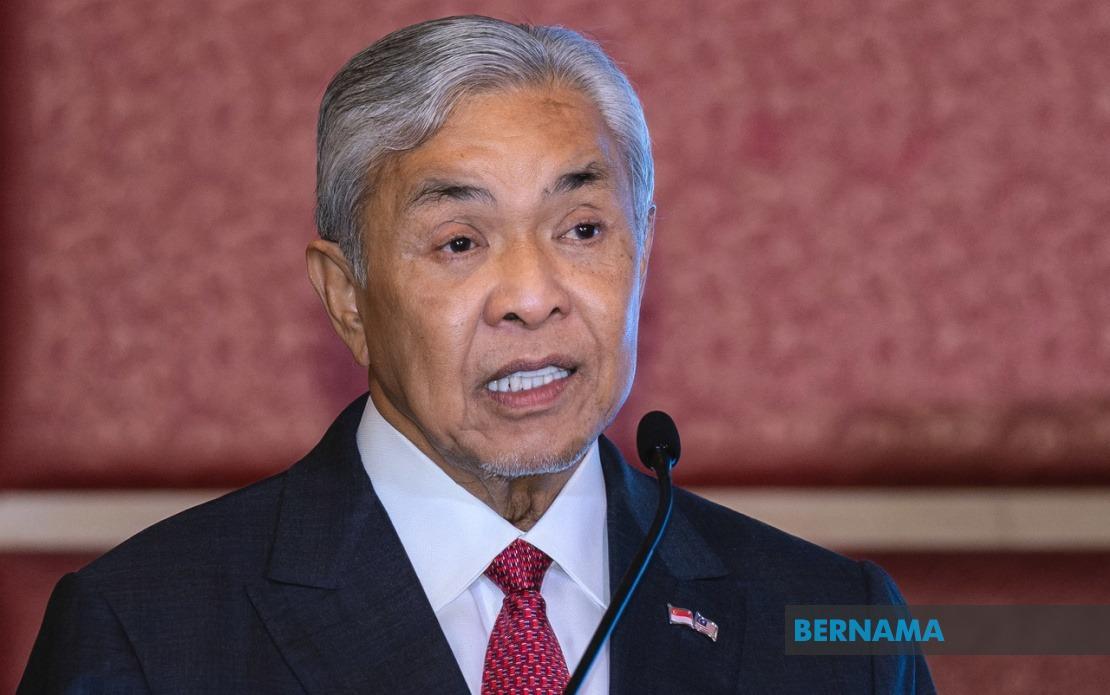
Deputy Prime Minister Datuk Seri Dr Ahmad Zahid Hamidi explained that the framework would operate according to three core pillars: efficient operational management, policy coordination that extends access to critical services, and the safeguarding of national security interests. The approach acknowledges that managing refugee populations effectively requires more than enforcement; it demands a systemic integration of social services, healthcare provision, educational access, and employment pathways for those who meet eligibility criteria. This balanced approach recognises that sustainable refugee management hinges on minimising irregular activities while simultaneously preventing humanitarian crises.
The NSC Directive, formally signed by Prime Minister Datuk Seri Anwar Ibrahim on June 14, 2023, came into effect as Malaysia grapples with hosting more than 126,000 registered Rohingya refugees, alongside an unknown number of undocumented asylum seekers from various nations. The scale of the situation has long strained Malaysia's resources and tested its security apparatus. By establishing clear institutional roles and responsibilities across government ministries and agencies, the directive aims to create coordinated rather than fragmented responses to refugee-related challenges, reducing bureaucratic overlap and improving operational efficiency.
Ahmad Zahid's parliamentary response, delivered to address concerns raised by Datuk Shamshulkahar Mohd Deli, highlighted a critical vulnerability in the system: the role of local enablers who inadvertently or deliberately undermine enforcement efforts. He pointed out that some Malaysian residents facilitate irregular refugee employment or housing arrangements for personal financial gain, whether through rental income or access to inexpensive labour. This observation underscores a fundamental tension in refugee management—the gap between national policy and community-level implementation, where economic incentives can override legal compliance.
The introduction of the Refugee Registration Document (DPP) serves as a cornerstone of the new mechanism, creating an official documentation system that distinguishes registered refugees from undocumented migrants. This administrative tool enables the government to track populations more effectively, cross-reference individuals against security databases, and provide targeted services to verified refugees while tightening controls on irregular entrants. The DPP system is particularly significant for the Rohingya population, who have faced statelessness and lack of recognition in their countries of origin, making formal documentation in Malaysia a practical necessity despite the country's non-signatory status to the UN Refugee Convention.
The emphasis on balancing enforcement with social responsibility reflects Malaysia's pragmatic position as a host nation facing competing pressures. Heavy-handed enforcement without complementary social services can breed instability, marginalisation, and irregular activities within refugee communities. Conversely, permissive policies without adequate security vetting create vulnerabilities that criminal networks and trafficking organisations can exploit. The NSC Directive attempts to navigate this complexity by establishing protocols for welfare access, healthcare coordination, and employment regulation that operate within a security-conscious framework.
For Malaysia, the significance of developing an independent management mechanism extends beyond operational efficiency. As a middle-income country in a region with recurring displacement crises—from Myanmar to Afghanistan—establishing demonstrable capacity to manage refugees independently enhances Malaysia's strategic autonomy in regional affairs. It signals to both UNHCR and neighbouring governments that Malaysia can manage its refugee populations without becoming dependent on international frameworks that may not align with its specific security or foreign policy interests. This approach also carries domestic political weight, reassuring the Malaysian public that refugee management remains under national control.
The healthcare and education provisions outlined in the framework address humanitarian imperatives while containing longer-term stability risks. Denying basic services to refugee children, for instance, creates educational gaps that translate into future social problems, while untreated disease within refugee camps poses public health threats to surrounding communities. By integrating healthcare and education access into the formal management system, the government attempts to prevent these secondary effects while maintaining documented oversight of beneficiaries.
Employment access presents perhaps the most complex dimension of the new mechanism. Providing work opportunities for eligible refugees reduces dependency on irregular markets and welfare support, yet employment pathways must be carefully calibrated to avoid undermining local wages or displacing Malaysian workers. The coordination across ministries envisioned in NSC Directive No. 23 should theoretically address these sectoral tensions by ensuring that refugee employment occurs in designated industries or roles and remains monitored to prevent exploitation of either workers or local communities.
The legislative and institutional architecture of the directive, while detailed, will ultimately depend on implementation fidelity across multiple government agencies with differing priorities and resource constraints. The Home Ministry, the Labour Ministry, Health Ministry, and others must operate according to consistent protocols, yet bureaucratic silos often impede such coordination. The success of Malaysia's independent refugee management mechanism will therefore hinge not merely on policy design but on whether the government can sustain inter-agency cooperation and adequately resource frontline enforcement and service provision.
Regionally, Malaysia's initiative to develop its own refugee management framework may influence approaches across Southeast Asia, where several countries host significant refugee populations without robust international support. Thailand, Indonesia, and Bangladesh face similar pressures and may observe whether Malaysia's independent system achieves stability and security while maintaining humanitarian standards. The outcomes could either encourage regional self-reliance in refugee management or expose vulnerabilities in purely national approaches that lack international oversight.
Looking ahead, the durability of Malaysia's mechanism will depend on several factors: the consistency of political commitment across administrations, the adequacy of budgetary allocation, the willingness of local communities to comply with regulations, and the adaptability of the framework to shifting migration patterns. As global displacement pressures mount and Myanmar's instability shows few signs of resolution, Malaysia's refugee population may expand, testing whether current institutional arrangements can scale effectively. The government's confidence in developing an independent mechanism suggests conviction in its capacity, yet implementation experience will determine whether that confidence proves justified.

